
Vandaag of morgen in huis

Kwaliteit gegarandeerd

Welkomstaanbiedingen ontgrendelen: GRATIS bezorging | Tot 80% korting | Gratis 30 dagen JoyPlus-proefperiode
Download de app
A toy car may seem simple to choose, but the range varies considerably. Are you looking for a small toy car for a toddler, a race car toy with lights and sound, a remote-controlled car or a die-cast model car for a collector? Age, size, power source and intended environment can all make a significant difference.
Marketing copy often focuses on spectacular features. Yet the practical details are usually more important. Consider small parts, required batteries, available play space and whether a vehicle can withstand everyday use. With this buying guide, you can compare toy cars based on objective product details and choose a more suitable gift for children or collectors.
Lights, music, mist, projectiles and 360° stunts may sound appealing. For young children, however, a simple push-along car can remain engaging for longer than a vehicle with numerous buttons. Check which features genuinely suit the child’s age and style of play.
With a remote-controlled car, you should also check whether the remote requires batteries and whether the car has a built-in rechargeable battery. According to the product description, the Dinosaur RC Monster Truck model includes a 3.7V battery and USB cable, while the remote requires two AA batteries.
A toy car marked for ages 3 and up may contain small parts that are unsuitable for younger children. Siku models, racetracks and vehicles with accessories therefore often specify a minimum age of 3 years. Die-cast model cars with intricate details are sometimes intended for ages 14 and up.
Always check the warnings on the packaging and product page. A CE mark is relevant product information, but it does not replace supervision or checking the individual parts.
A large toy car garage can provide hours of play, but it also takes up considerable space. The Hot Wheels City Ultimate Garage, for example, is approximately 105 cm tall and weighs 2 kg according to the product specifications. Measure the intended location before setting up the set.
Maintenance is equally important for electronic models. Many products may only be cleaned with a dry or slightly damp cloth. Water can damage electronics, sensors or decorative components.
First, choose between:
Pay attention to the number of parts. A vehicle with a launcher, trailer or small accessories requires more supervision than a single sturdy car.
A metal body can provide a solid feel, while plastic often helps keep the overall weight down. According to the product information, the Siku VW T5 Highway Police combines metal and plastic components and features rubber tyres. The model is suitable from age 3, but contains small parts and is not intended for children under 36 months.
For plastic vehicles, rounded shapes, sturdy connections and securely attached wheels are important. A smooth underside and rubber tyres help the car roll smoothly across indoor floors.
Before purchasing, check:
According to the product description, the BMW 4WD RC Drift Race Car features a built-in rechargeable lithium battery and offers approximately 20 to 40 minutes of playtime per charge. The model is designed for flat floors and roads. For grass, gravel or sand, a model with larger rubber tyres is a better choice.
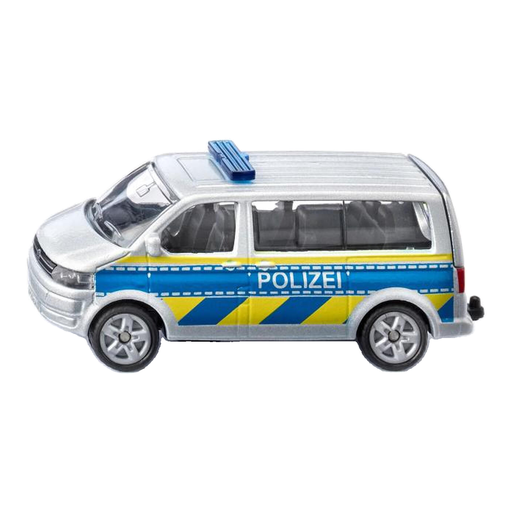
Why it’s a good fit: A compact police toy car for children aged 3 and up who enjoy imaginative role-play without batteries or assembly.
No reliance on batteries, sound or complicated controls. Place it down, push it and start playing.
Metal and plastic components, rubber tyres, no assembly required and compatibility with Siku playsets.
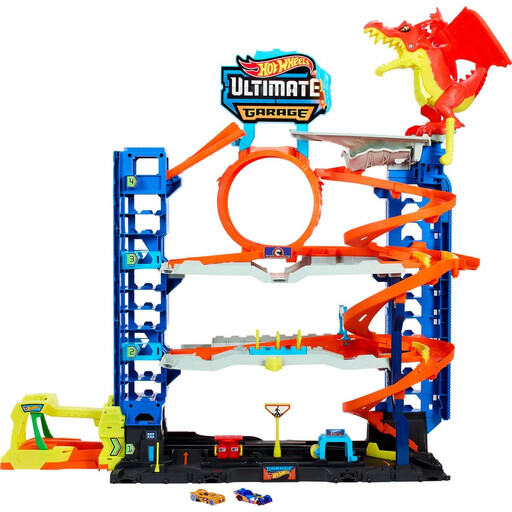
Why it’s a good fit: For children aged approximately 5 and up who want to park, race and combine multiple cars in one expansive playset.
The dimensions are clearly stated, so you can confirm in advance whether a height of 105 cm and width of 68 cm will fit your play area.
Four levels, more than 50 parking spaces and two Hot Wheels cars included.

Why it’s a good fit: For toddlers aged 1 and up who enjoy launching a car and using a simple loop or ramp track.
The play pattern is straightforward: set up the track, launch the car and operate the loop. Be sure to check for small parts and supervise play.
2-in-1 track configuration, stunt car included and, according to the product description, sound effects, six melodies and three children’s songs.
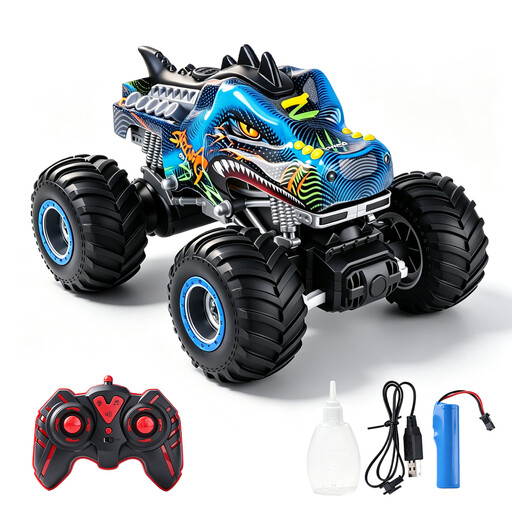
Why it’s a good fit: For children aged 3 and up who want to drive, spin and experiment with a remote-controlled car indoors or outdoors on suitable surfaces.
The product information lists the included battery and USB cable separately from the AA batteries required for the remote control.
2.4GHz remote control, 360° rotation, rubber tyres, three lighting modes and a water-mist function.
Explore a current selection of vehicle-themed gifts and compare toy cars, garages, racetracks and model cars by age, play style and specifications.
Not automatically. The age recommendation is based on the product construction and the manufacturer’s warnings. Models intended for ages 3 and up may contain small parts. Keep younger children away from them and check the safety information when the product arrives.
Its lifespan depends on the materials, frequency of use and maintenance. A metal push-along car has no battery or electronics, whereas a remote-controlled car may experience wear to its tyres, drivetrain and steering mechanism. Store electronic cars in a dry place and regularly check the wheels, screws and accessories.
With a model featuring a built-in rechargeable battery, the main ongoing costs are electricity and any replacement parts. Remember to allow for additional batteries for the remote control. Also check whether a USB cable and battery are included, as this varies by product.
