
Vandaag of morgen in huis

Kwaliteit gegarandeerd

Welkomstaanbiedingen ontgrendelen: GRATIS bezorging | Tot 80% korting | Gratis 30 dagen JoyPlus-proefperiode
Download de app
A toy car may seem simple to choose, but the range extends from a small baby ride-on car to a powerful electric ride-on car. A remote-controlled car, RC lorry, pedal car and die-cast model car also require different purchasing criteria.
Marketing copy often focuses on LED lights, sounds or a realistic appearance. These features are fun, but they reveal little about suitability, safety and ease of use. Pay particular attention to these three common pitfalls:
Start with the recommended age, but also consider height, seat height and maximum load capacity. A baby ride-on car for 10 to 36 months is not comparable to an electric ride-on car for children aged 3 to 8 years.
With an electric car, check:
A pedal car or go-kart for children should be suitable for the child’s leg length. An adjustable seat can extend the useful life of the vehicle. Young children need supervision, even when the vehicle travels slowly.
A remote-controlled car usually runs on batteries or a rechargeable battery. Do not just check whether a USB cable is included; also verify the exact battery specifications. According to the product information, the RC dump truck in this article comes with a rechargeable 3.7 V, 500 mAh lithium battery. The remote control also requires two AA batteries, which are not included.
For an electric ride-on car, the motors, battery voltage and charging time are important. A 12V model may have several speed settings, but actual playtime depends on the surface, weight, temperature and how the vehicle is used. Do not leave a battery stored for a long period after it has run completely flat, and always follow the charging instructions supplied.
Check whether the product page provides information about materials, assembly and maintenance. Rounded plastic edges, sturdy connections and stable wheels are practical points to consider. With a model that includes small accessories, such as a toy lorry with mini cars, pay extra attention to the age warning.
A CE mark is an important part of product information within the European market, but also look for:
A mark or brand claim is not a reason to skip supervision. Check the vehicle for loose parts, damage and wear before every use.
The following choices are based on the available product specifications, age indications, drive system and intended use. Claims about play value or development come from the seller’s product descriptions; do not regard them as medical claims or guaranteed effects.
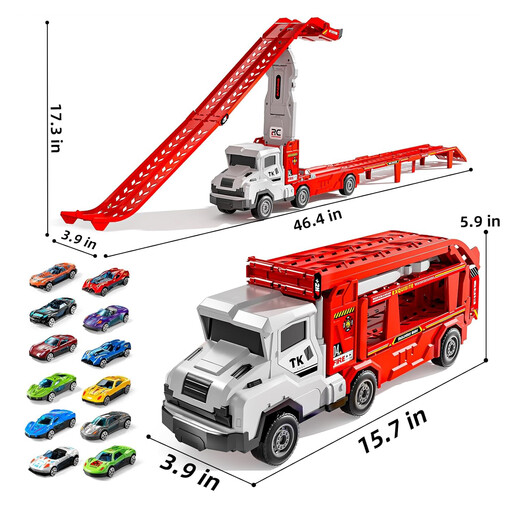
Why it suits this profile: This toy vehicle combines a transport lorry, storage space and fold-out race tracks. This means there is no need for a separate race track, and children from around 3 years old can start playing with several cars straight away.
The product information specifies the age recommendation, two fold-out tracks and twelve small cars. However, make sure the child is old enough to play with the parts.
Foldable design, twelve die-cast cars and suitable for playing together with two or four players.
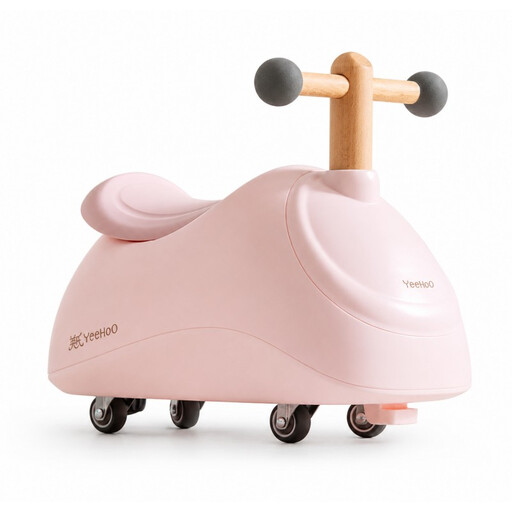
Why it suits this profile: This ride-on is designed for indoor use by children aged 10 to 36 months, with a maximum load of 25 kg. The model can also be used as a rocking toy when the rocking board is fitted.
The product information clearly states that it is for indoor use, as well as specifying the age, height of 75–100 cm and load capacity. Do not use it on stairs, slopes or public roads.
ABS body, beechwood handle, PU wheels and a weight of approximately 2 kg.
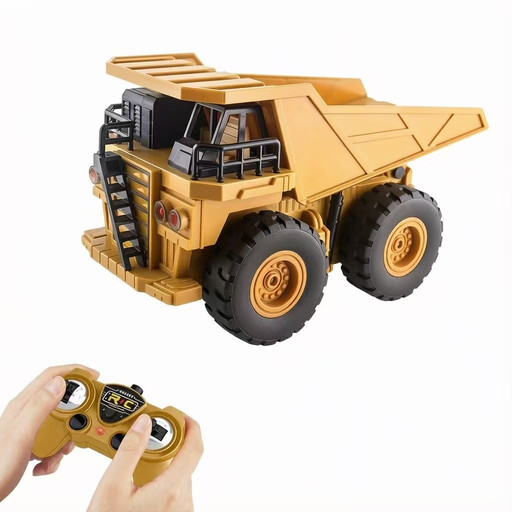
Why it suits this profile: This RC lorry is aimed at children from 3 years old who enjoy operating construction vehicles. The remote control has six channels, including driving, steering and raising the tipper body.
The specifications state the battery, remote-control batteries, age warning and rubber tyres. Use only under the direct supervision of an adult.
2.4GHz control, rechargeable 3.7V battery, LED lights and a movable tipper body.
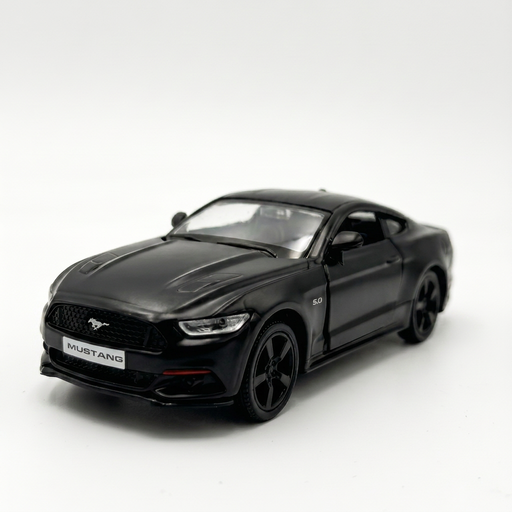
Why it suits this profile: According to the product information, this die-cast model car is intended for users aged 14 and over. The model is compact for display and has a pull-back function for short periods of play.
The 14+ age limit makes it clear that this is not a toy for children from 3 years old. This helps you avoid buying the wrong product for a young child.
Metal construction, opening doors and a 1:36 scale with pull-back drive.
We have put together a complete, up-to-date list of products that fully meet these strict selection criteria and the applicable European safety regulations.
For a child of around 1 year old, a stable baby ride-on car for indoor use is usually more suitable than an RC model or electric car. Check the recommended age, seat height, floor surface and supervision requirements. Do not let the child ride near stairs, slopes or obstacles.
This varies by model and usage. Speed, weight, surface and how often the vehicle is driven all affect playtime. Check the battery voltage, capacity and charging time on the product page. A 12V model with two motors may deliver different performance from a smaller model with one motor. Do not treat general playtime claims made by a brand as a guarantee for every situation.
A pedal car or go-kart for children may be suitable for flat surfaces such as concrete, rubber tiles or smooth paving, depending on the product information. Do not use the vehicle on public roads. Before buying, check the maximum load, steering limitation, tyre type and age recommendation. Supervision is still required, particularly for young children.
