
Vandaag of morgen in huis

Kwaliteit gegarandeerd

Welkomstaanbiedingen ontgrendelen: GRATIS bezorging | Tot 80% korting | Gratis 30 dagen JoyPlus-proefperiode
Download de app
A toy car for children may seem like a simple choice, but the range is wide. There are soft vehicles for babies, interactive toy cars, race tracks, construction vehicles and even electric ride-on cars or remote-controlled cars for children. However, an eye-catching design tells you little about whether a toy is right for your child.
Look out for these three common pitfalls:
The right choice depends on your child’s age and motor skills, where they’ll play and how they’ll use the vehicle.
Always check the recommended minimum age on the product page and packaging. A toy car for children aged 2 and over isn’t automatically suitable for every toddler. Check the accessories too, such as figures, road signs, loose blocks and detachable parts.
For babies and young toddlers, soft toy vehicles with larger parts are usually more practical. For example, the Clementoni Clemmy Sensory Car contains soft blocks and, according to the product information, is suitable from 6 months. Always supervise children when they play with this type of toy, and check it regularly for damage.
A CE mark indicates that the manufacturer declares the product meets relevant European requirements. It doesn’t replace checks by parents. Always read the warnings, age guidance and care instructions in full.
For babies, a soft shape that’s easy to grip is especially important. Toddlers benefit from sturdy wheels and a simple push mechanism. For a toy racing car or construction vehicle for older children, moving parts, a sturdy body and a good grip are important.
Also consider the size:
A large ride-on vehicle also needs clear floor space or room outdoors. Check the dimensions before ordering, especially for a push ride-on car with a handle.
An interactive toy car may have sounds, music, lights or sensors. These can offer extra ways to play, but check the following first:
A model that doesn’t need batteries, such as a manual construction vehicle, has fewer running costs. A remote-controlled car for children, on the other hand, requires you to consider charging, range and controls. Claims about durability or play time come from the manufacturer, so check the specific product details and user instructions.
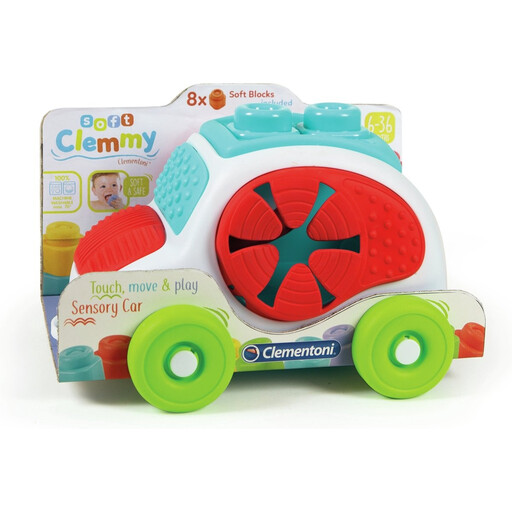
Why it suits this profile: An accessible choice for babies and young toddlers who are discovering how to feel, stack and hold things. The set includes 8 soft blocks and a car that also works as a shape sorter.
The soft blocks and age guidance from 6 months make it easy to see who this toy is for. Do check the warnings and supervise children while they play.
8 soft blocks, a shape-sorting function, washable blocks and product dimensions of 28 × 20 × 18 cm.
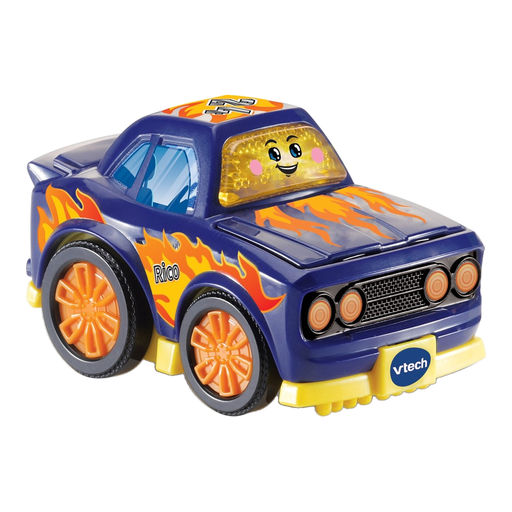
Why it suits this profile: For toddlers aged 2 and over who enjoy responding to buttons, sounds and music. The car can be combined with other Toet Toet Cars playsets.
The features are activated directly using the buttons, so there’s no need to use a complicated remote control or assemble anything.
Light-up button, sound effects, 6 melodies, 3 songs and sensor recognition, according to the product description.
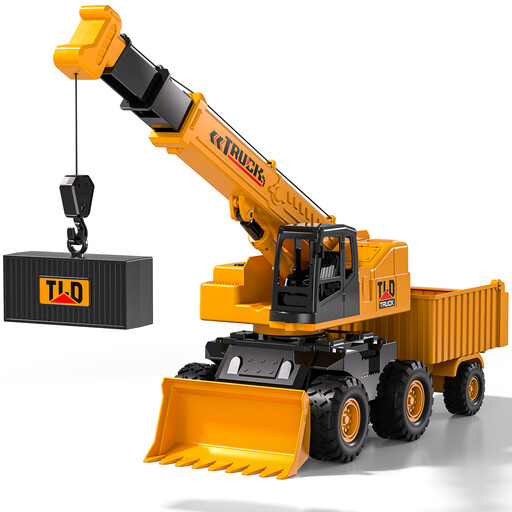
Why it suits this profile: For children aged 3 and over who enjoy playing with construction vehicles and operating features by hand. Suitable for indoors, the garden or the sandpit, provided the surface is suitable.
No batteries are needed. The crane arm, hook, tipping trailer and bulldozer blade encourage active play without relying on electronic effects.
5 functions, sturdy ABS plastic according to the product description, and large tyres for sand, grass and floors.
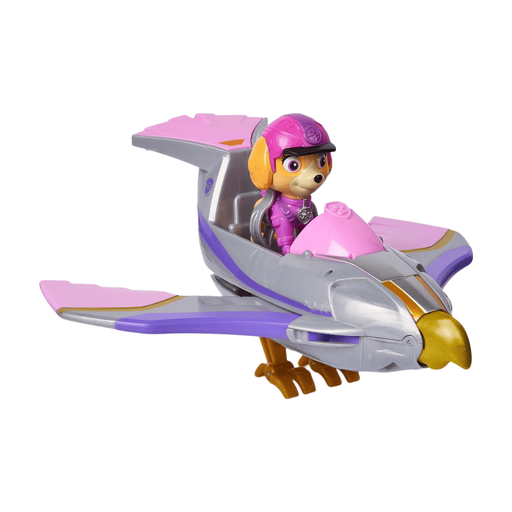
Why it suits this profile: A great choice for children aged 3 and over who enjoy combining familiar characters with action. The vehicle transforms mechanically into rescue mode.
The interactive feature is mechanical and activated by hand. No batteries are needed for the transformation.
1 vehicle, 1 toy figure, a mechanical interactive feature and dimensions of approximately 23,8 × 23,6 × 9,6 cm.
We’ve put together a complete, up-to-date list of products that meet these strict selection criteria and the applicable European safety regulations.
Choose a sturdy model with large, securely attached parts and simple controls. A toy car for children aged 2 and over may have sounds or lights, but always check the warnings. Bear in mind that some products have additional warnings on the product page, so follow the packaging and manufacturer’s instructions.
It depends on the controls. A simple remote-controlled car for children with a few buttons may be suitable from around age 3, while a model with two joysticks requires greater hand-eye coordination. Also check the type of battery, how it charges and how much space is needed to play.
As well as the purchase price, you may need to factor in batteries, charging and any maintenance. An electric toy car that uses disposable batteries comes with ongoing costs. For a rechargeable model, check whether the battery and charging cable are included. For younger children, a toy car without electronics is often easier to use and maintain.
