What should you look for when buying?
First measure the space and the height at which you want to feel the breeze. Then compare noise, how easily you can direct the airflow, features and running costs for your situation.
| What to consider |
What to look for |
Who is this important to? |
| Space and reach |
Measure the available space, including the base, and compare the air outlet’s position with your seated height. |
If I have little space beside my chair, I want to know whether the base will fit and whether the breeze will reach me. Around 29% of consumers prioritise having the right reach beside their chair. |
| Quiet operation |
Check which setting the stated noise level applies to, and whether there’s a timer or dimmed display. |
If I study and sleep in the same room, I want a low setting that feels comfortable for how I use it. Around 23% of consumers prioritise a quiet operating setting. |
| Directed airflow or oscillation |
Check whether oscillation can be switched off and whether the air outlet reaches the chair. |
If I sometimes want direct airflow and at other times prefer a moving breeze, I want to be able to choose. Around 18% of consumers prioritise adjustable airflow direction. |
| Purchase price and features |
Compare the total price and check which controls and features are actually included with each version. |
If I only want to pay for features I need, I compare versions based on what I’ll actually use. Around 18% of consumers prioritise the purchase price. |
| Power consumption |
Compare the power rating at the same operating setting; calculate consumption using power in kW × hours of use. |
If the fan is on often, I want to assess its consumption at the setting I actually use. Around 12% of consumers prioritise running costs. |
Fans at Joybuy
This selection includes one tower fan and several desk or pedestal models as alternatives if you’d like to direct the airflow differently around your chair.
 No image available
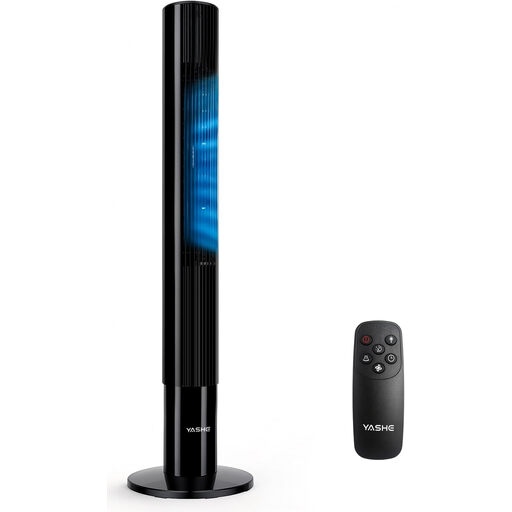
YASHE NDTFT17RH-S tower fan
A tower model to consider beside a chair if you want several speeds and a timer.
Lists three speeds, two modes, 85° oscillation, a 12-hour timer, an LED display and a remote control.
The product title states 28 dB, but doesn’t include the associated measurement conditions.
View at Joybuy
 No image available
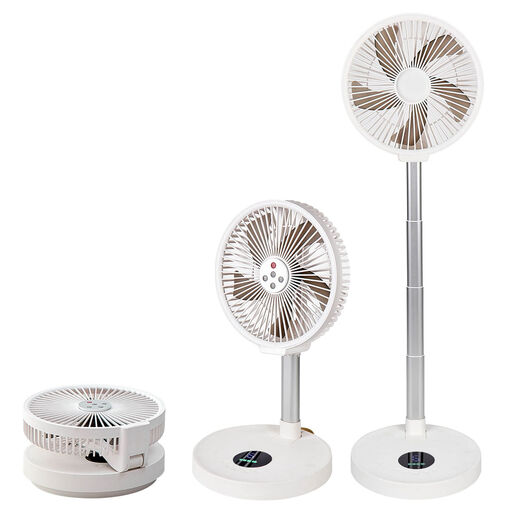
Foldable floor and desk fan, 7200 mAh
An alternative to a tower fan if you’re looking for an adjustable fan that, according to the product title, can stand on a desk or on the floor.
The title lists a 7200 mAh battery, six speeds, a timer, remote control and adjustable height.
View at Joybuy
 No image available
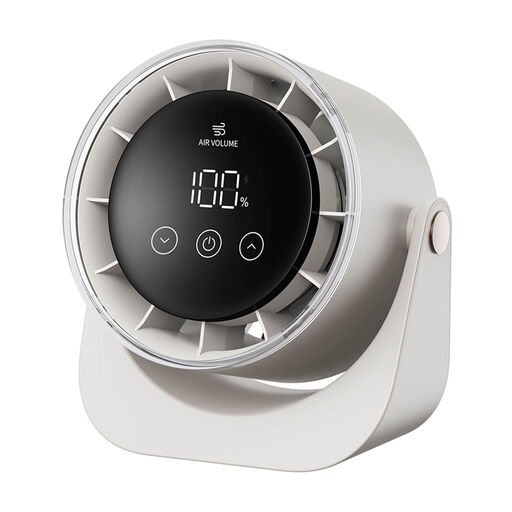
Compact cordless desk fan
A desk fan alternative if you want to direct the airflow towards a single seating area.
The product title lists 100 speeds and 90° tilt, as well as an LED display and a portable design.
View at Joybuy
 No image available
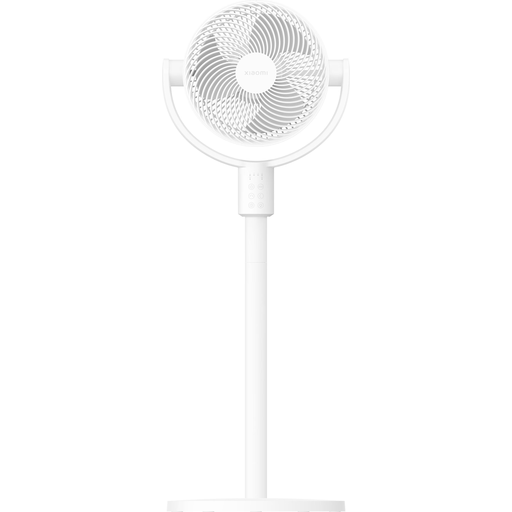
Xiaomi Smart Standing Air Circulation Fan
An adjustable pedestal model to compare if a tower fan’s air outlet isn’t at the height you want.
The product title lists adjustable height, 3D oscillation, two modes and 100 speeds, as well as app control.
The title also lists an airflow of 1.440 m³/u, a range of 13 m and 28 dB; the conditions for using these figures aren’t specified here.
View at Joybuy
 No image available
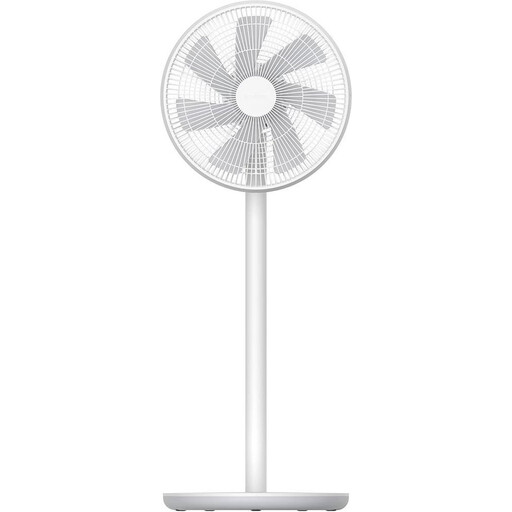
Xiaomi Smart Standing Fan 2
A pedestal alternative to consider if you want to switch between direct airflow and oscillation.
The product title lists app control, a DC inverter motor and 100 adjustable speeds.
View at Joybuy
Frequently asked questions
Will a tower fan really make my student room cooler?
No, a fan doesn’t cool the room like an air conditioner. Moving air can make you feel cooler in your chair without lowering the air temperature.
Can I put a tower fan on a desk if the airflow misses my chair?
It’s better to choose a model designed to be used in that position and follow the instructions. The Consumentenbond describes a desk fan as being intended for one person; a tower fan is a floor-standing model that can’t be adjusted in height or tilted. Also check that the appliance is stable in the position you choose.
How should I allow for cleaning?
Check the instructions to see how to access the grille for maintenance. Rowenta lists a removable rear grille for the Eole 3 VU6670F0; don’t assume every tower fan is built this way.
What rights do I have when buying online in the Netherlands?
For a standard online consumer purchase, you generally have a statutory cooling-off period of up to 14 days after delivery, with some exceptions. According to ACM ConsuWijzer, the statutory guarantee is separate: if a product doesn’t perform as you could reasonably expect during normal use, the seller is responsible for providing an appropriate solution. This doesn’t simply mean a fixed two-year guarantee period.
What safety rules apply to an electric fan in the Netherlands?
According to the NVWA, the Low Voltage Directive applies to electrical equipment with a rated AC voltage between 50 and 1.000 V. The NVWA also cites the Radio Equipment Directive as the applicable framework for the entire product when it has Wi-Fi or Bluetooth. Check the information and usage restrictions for the exact model; these rules alone don’t prove that a specific offer complies with them.


