
Vandaag of morgen in huis

Kwaliteit gegarandeerd

Welkomstaanbiedingen ontgrendelen: GRATIS bezorging | Tot 80% korting | Gratis 30 dagen JoyPlus-proefperiode
Download de app
A new towel or cleaning cloth may seem like a simple purchase. Yet many consumers are swayed by attractive product photos, vague claims such as “extra absorbent” or a low price per pack. The result: a cloth that sheds fibres, absorbs very little moisture or loses its shape after just a few washes.
With this guide, you can compare towels and cleaning cloths based on material, size, intended use and care requirements. That way, you can choose the right option for the bathroom, kitchen, car, gym, campsite or your travels.
A soft towel may feel pleasant, but that does not tell you everything about drying time, absorbency or durability. So also consider the material and finish. A cotton towel will generally feel different from a microfibre or non-woven fibre cloth.
A 70 x 140 cm bath towel provides plenty of coverage, but it also takes up more space in the laundry basket, cupboard or suitcase. For a weekend bag, a compressed towel measuring 24 x 30 cm when unfolded may be more convenient. For everyday use at home, comfort and sufficient surface area are more important.
Disposable towels and disposable hand towels are intended for one-time use. Dispose of them with general waste after use and never flush them down the toilet. Reusable microfibre cloths and cotton towels should be cleaned according to the care label. A cloth described as biodegradable or plant-based should therefore not automatically be put down the toilet or in the food and garden waste bin.
When comparing face towels, hand towels and bath textiles, dimensions are more important than the product name alone. A cloth measuring approximately 34 x 72 cm can be used for your face, hands or hair. A 70 x 140 cm towel is designed for the whole body.
For cleaning cloths, g/m² indicates the fabric density. The Microfibre Cloths 30 x 30 cm, for example, have a density of 260 g/m². This is a verifiable product specification, but it does not automatically mean that every surface will produce the same results.
Before buying, check:
Product information for microfibre cloths often recommends not using fabric softener. It can affect the properties of the fibres. For everyday use, a reusable cloth is usually more economical per use, while disposable cloths are particularly convenient when washing or drying is not possible.

Why it suits this profile: This compact microfibre cloth is designed for everyday cleaning in the kitchen, bathroom, car or office and can be machine washed at up to 60 °C according to the product information.
The density, dimensions and care temperature are stated. This means you can compare reusability rather than simply looking at the number of cloths.
260 g/m²; 30 x 30 cm dimensions; machine washable at up to 60 °C according to the product information.
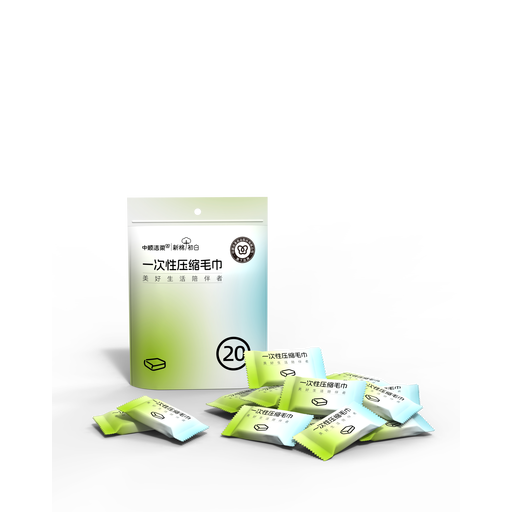
Why it suits this profile: These compressed towels take up very little space before use. According to the product description, they expand into a 24 x 30 cm cloth when they come into contact with water.
The compact tablet format makes the difference between folded and unfolded dimensions clear. After use, dispose of the cloth with general waste; do not flush it.
20 pieces per pack; unfolded size of 24 x 30 cm; suitable for travel, camping and sport.
We have compiled a complete, up-to-date list of products that fully meet these strict selection criteria and the applicable European safety regulations.
The right choice mainly depends on how you intend to use them:
For every product, check the packaging, instructions for use and any warnings. A brand’s product information about absorbency, softness or feel against the skin is a description provided by the brand; it does not guarantee that every user will have the same experience.
This depends on how often and what you use them for. Allow a used cloth to dry completely first, and wash towels as soon as they develop a persistent damp smell, become visibly dirty or are used by several people. Always follow the care label. Do not reuse disposable towels.
According to the product descriptions, microfibre cloths are suitable for surfaces including glass, screens, stainless steel and general household cleaning. For delicate materials, test the cloth on an inconspicuous area first. Use a clean cloth without sand or hard particles to help prevent scratches.
It depends on how you use them. A cotton towel requires water, detergent, energy and drying time, but can be used several times. A disposable towel has no washing costs, but is thrown away after one use. Compare the cost per use and choose disposable cloths particularly when convenience, portability or one-off hygiene is the priority.
