
Vandaag of morgen in huis

Kwaliteit gegarandeerd

Welkomstaanbiedingen ontgrendelen: GRATIS bezorging | Tot 80% korting | Gratis 30 dagen JoyPlus-proefperiode
Download de app
A new towel may seem like a straightforward purchase, but the difference between a towel you enjoy using and a disappointing buy often lies in the details. A bath towel that is too small is less comfortable for drying yourself, a thin tea towel stays damp for a long time and a cheap cloth can lose its shape after just a few washes. So if you are looking to buy towels, it is worth considering more than just colour or price.
A soft towel feels pleasant in the shop or straight out of the packaging. However, that does not automatically tell you anything about its absorbency, drying time or lifespan. A very fluffy fabric may also shed more lint during the first few washes.
So pay attention to the material, size and weight as well. With cotton towels, the fibres and weave are more important than general descriptions such as “luxurious” or “extra soft”.
A towel measuring around 35 x 75 cm is practical for hands and face, but less suitable for wrapping around your entire body after a shower. For that purpose, a size of 70 x 140 cm or 80 x 150 cm is more appropriate.
Also check how much space you have available. A large bath towel provides more coverage, but takes up more room in the laundry basket, tumble dryer and cupboard.
Disposable towels and disposable face towels are handy for travel, sport, overnight stays or situations where you do not want to keep used textiles. They are not designed to be washed and reused. Reusable tea towels and microfibre cloths, on the other hand, are designed for repeated use, usually after washing according to the product label.
Pay close attention to the wording. According to some brands’ product information, a cloth may be described as “reusable”, while the same product page also recommends single use. Always check the specific usage and care instructions.
100% cotton is a popular choice for bath, hand and face towels. Cotton generally feels pleasant and can absorb moisture, but drying time also depends on the thickness and construction. A waffle weave may be more breathable than a dense, heavy surface. Ribbed or striped textures mainly affect the appearance and feel.
For cleaning tasks, microfibre cloths are practical because they are lightweight and compact. According to the product information, the Cleany Micro Cloth set contains ten washable cloths measuring 30 x 30 cm. This makes it possible to colour-code them by room, for example using separate cloths for the kitchen, bathroom and furniture.
Choose the size based on the task:
A towel set can offer better value when several members of the household use the same size. However, check that you really need all the colours and sizes included.
“Absorbent” is not a universal measure of quality. Look at the stated material composition, the weight per square metre where this is provided, and the drying options available at home. A thick cotton cloth can absorb a lot of moisture, but may take longer to dry completely.
Wash new cotton towels according to the label before using them. Do not automatically use a lot of fabric softener: it can reduce the absorbency of textiles. After use, spread towels out properly to dry, and preferably wash kitchen and bathroom textiles separately. Disposable cloths should not be flushed down the toilet; dispose of them according to local waste instructions.
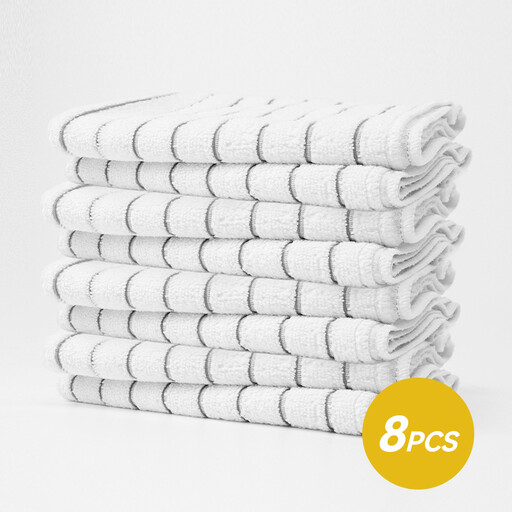
Why it suits this profile: Eight cloths are useful for households that cook every day and want to use several cloths for different tasks.
The number, size and material are clearly stated. This allows you to compare the set with individual tea towels or reusable kitchen cloths.
Eight pieces; microfibre; size 40 x 60 cm; easy to clean according to the product name.
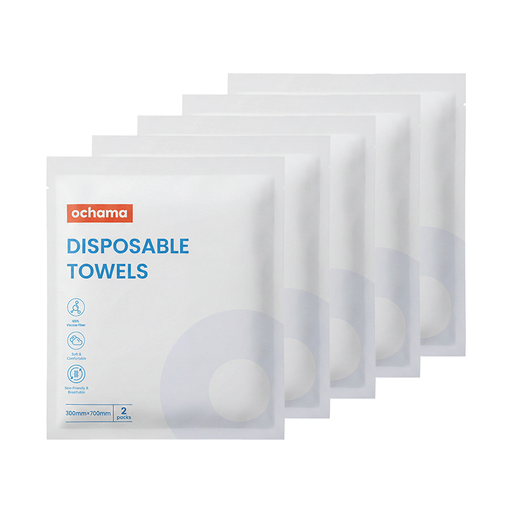
Why it suits this profile: Individually wrapped towels take up little space for hotel stays, business trips, the gym or camping.
The product information clearly states that the towels are for single use and should not be washed or reused.
Ten pieces; individually wrapped; approximately 30 x 70 cm; fragrance-free according to the product information.
For a large bath towel, the SANLI models measuring 80 x 150 cm and weighing 530 g are worth comparing. They are available in white and pink. When buying, check the current product specifications and care instructions.
For the face, there are cotton face towels, as well as disposable face towels such as the ochama pack containing 200 sheets. According to the product information, these sheets are intended for dry or damp use, for single use only and must not be flushed down the toilet. A large family pack containing 2,880 sheets may be practical for regular use, but requires more storage space and creates more waste.
If you mainly clean, you could also consider the C&S hanging kitchen towel with 200 sheets per bag and four bags per box. According to the product information, it consists of two-ply material made from 100% virgin wood pulp, measures 225 x 200 mm and is fragrance-free. Compare this with washable microfibre cloths based on frequency of use, waste and storage space.
We have put together a complete, up-to-date list of products that fully meet these strict selection criteria and the applicable European safety regulations.
That depends on the number of people in the household and how often you do the washing. For each person, it is practical to have several hand and face towels, plus a few bath towels. Add extra towels for guests, sport or a household without the option to dry laundry every day.
Lifespan varies depending on quality, use and washing routine. Wash according to the label, avoid using too much detergent and make sure the towel dries completely. Thinner textiles often dry more quickly; thicker textiles may require more storage and drying space.
For everyday use at home, reusable cloths are often the more sensible option if you can wash and dry them properly. Disposable towels can be practical for travel, sport, temporary accommodation or situations where you do not want to carry wet textiles. Compare the cost per use and take waste disposal into account.
