
Snackers looking to cut down on fat
You want to eat less fat while enjoying a drink with friends, so you’re looking for a substantiated product claim and comparable nutritional values. Assess fat and energy separately.


Don’t choose tortilla chips based on the flavour name alone. Compare the fat content per 100 g on the label, then work out how much that means for the portion you’ll serve. Check energy, salt and allergens separately too: less fat doesn’t automatically mean fewer calories or make a product suitable for every guest. The product description may help you choose chips for dipping, but it doesn’t in itself substantiate a reduced-fat claim.
You want to eat less fat while enjoying a drink with friends, so you’re looking for a substantiated product claim and comparable nutritional values. Assess fat and energy separately.
You want to keep serving crisps, but measure out a sensible amount. Nutritional values for the portion you actually serve are more useful than a claim on the front of the pack alone.
You’re looking for tortilla chips to serve with dips and want to choose a pack size that suits how you’ll serve them and the number of people you’re hosting.
A good fit if: lower fat in the product itself is your main priority.
Bear in mind: check energy and salt separately too; the claim doesn’t tell you everything about the nutritional value.
A good fit if: you mainly want to control how much you eat and serve a regular variety.
Bear in mind: a smaller portion doesn’t change the nutritional make-up of the crisps.
A good fit if: dipping is the main event at your get-together.
Bear in mind: a description such as ‘suitable for dipping’ doesn’t prove a reduced fat content or independently measured sturdiness.
| What to consider | What to look for | Who is this important for? |
|---|---|---|
| Less fat in the product | Compare the claim and fat content per 100 g on the exact pack. | If less fat is my top priority, I want to be able to compare the claim and nutritional values. Around 31% of consumers put demonstrably lower fat first. |
| Energy in your portion | Compare kcal per 100 g and weigh the amount you serve. | If I want to measure out my snack portion carefully, I look at the energy in the amount that actually goes into my bowl. Around 25% of consumers put energy and portion size first. |
| Serving with dips | Check whether the product description mentions dipping and choose a flavour that goes well with your dips. | If I’m serving crisps with dips, I want a variety that suits the occasion. Around 19% of consumers put dipping first. |
| Salt and allergens | Compare salt per 100 g and read the allergen information on the exact pack. | If salt or a specific allergen requirement determines my choice, I check the packaging for both the crisps and the dips. Around 13% of consumers put suitability first. |
| Quantity and leftovers | Choose a net weight that suits your serving plans and follow the storage advice after opening. | If I’m buying for a group, I want to choose an amount that suits how I plan to serve it. Around 12% of consumers put pack size and useful leftovers first. |
A lower fat content doesn’t automatically mean a proportionally lower energy value. The Netherlands Nutrition Centre notes that, in general, the difference in calories between light crisps can be small; this isn’t a measurement of every tortilla chip variety.
Compare energy and fat on the same per-100 g basis, then calculate the figures for the weight of your own portion.
A flavour name or main ingredient doesn’t substantiate that a product contains less fat.
Check the nutrition table and the claim on the pack rather than relying on the flavour name.
Once opened, crisps can lose their crunch. For crisps in general, the Netherlands Nutrition Centre recommends storing them in a kitchen cupboard for 2–5 days.
Choose a net weight that suits what you plan to serve and follow the storage advice on the pack.
Doritos Netherlands lists flavour varieties such as Nacho Cheese, Sweet Chilli Pepper, Cool American, Naturel and Lime. This can help you choose a flavour for a get-together, but doesn’t confirm the availability of a reduced-fat variety in the Netherlands.
AH Tortilla chips naturel is a Dutch plain-flavour option for comparison. Albert Heijn recommends checking the packaging, as product information can change.
Jumbo describes its Tortilla Chips Naturel 300 g as salted corn chips and mentions dipping as a serving suggestion.
The Lidl product page lists Tortilla chips sweet paprika as a flavour variety.
Mission Foods Europe describes tortilla chips in a range of shapes and for different uses, including snacks, dips and nachos.
This selection features tortilla chips and other crisp varieties for party snacks and dips. The product titles and descriptions can help you choose a flavour or find an option for dipping, but they don’t substantiate a reduced-fat claim. Check the nutritional information on the exact pack for that.
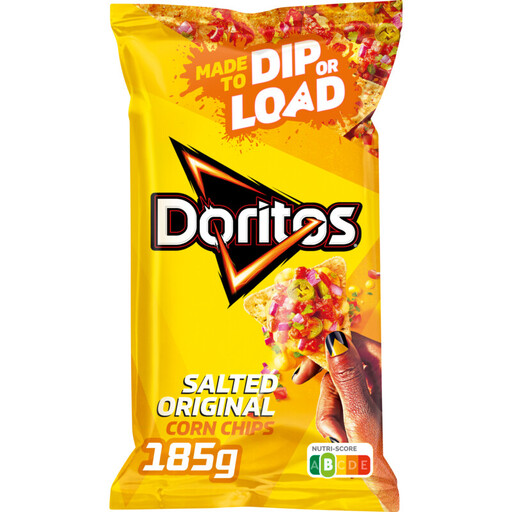 No image available
The product description suggests serving these with dips, salsa and guacamole; check the pack for the nutritional values of this variety.
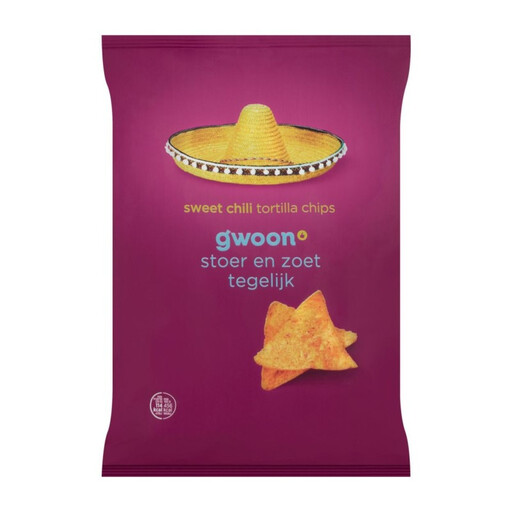 No image available
The product description suggests serving these at parties, sharing and dipping; check the exact pack if fat content is important to your choice.
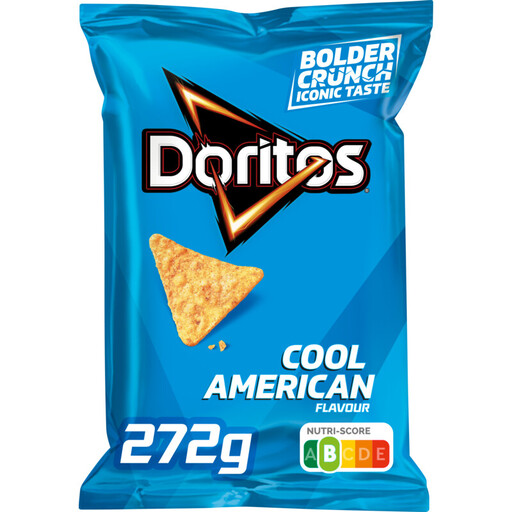 No image available
The product description suggests sharing or enjoying these as a snack on their own; use the nutritional values on the pack to assess a portion.
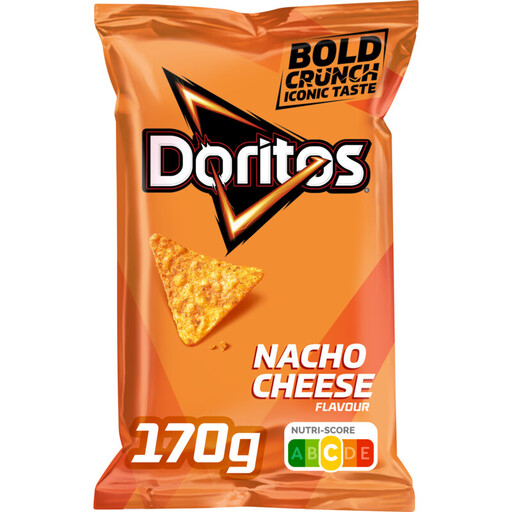 No image available
The product description suggests serving these with dips at get-togethers; check the allergen information for both the crisps and the dips.
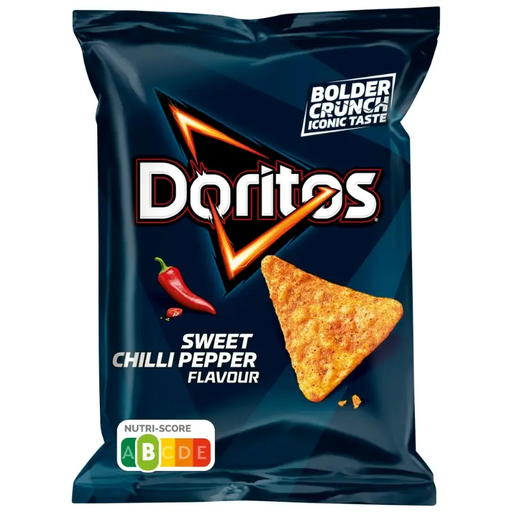 No image available
This flavour variety could be part of a selection of party snacks; check the nutritional values on the pack if you’re looking for a lower-fat option.
No. According to the European Commission, the ‘low fat’ claim for solid foods applies to products containing no more than 3 g of fat per 100 g. Meeting this threshold doesn’t in itself prove that a product qualifies for a reduced-fat claim; check the claim and nutritional values on the exact pack.
Multiply the fat content per 100 g shown on the pack by the weight of your portion in grams, then divide by 100. You can use the same calculation for kcal. If you want to assess the whole snack, include any dips separately.
Read the allergen information on the exact packs for both the crisps and the dips. The Netherlands Food and Consumer Product Safety Authority explains that allergens must be clearly stated on the label. Don’t assume a product is suitable based on its flavour name or main ingredient.
For crisps in general, the Netherlands Nutrition Centre recommends storing them in a kitchen cupboard for 2–5 days and notes that they may lose their crunch. Also follow the storage advice on the pack for your variety.