What should you look for when buying?
First identify the ingredient someone needs to avoid. Then arrange to serve the snacks separately, and choose pack sizes to suit your group.
| What to consider |
What should you check? |
Who is this important for? |
| Gluten-free statement |
Check the exact Dutch product variant and the gluten-free statement on the packaging; a maize base alone isn’t enough. |
If I need crisps for someone who has to eat gluten-free, I want to check the statement on that exact variant. Around 36% of consumers say gluten-free suitability is their top purchase priority. |
| The specific allergen |
Read the ingredients and warnings such as ‘May contain’. Don’t take ‘lactose-free’ as proof that a product is free from milk protein. |
If someone needs to avoid milk, soya or wheat, for example, I want to check that specific information on the label. Around 29% of consumers say a specific allergen or lactose is their top priority. |
| Serving separately |
Check the crisps and dips separately, and use clean, separate bowls and serving utensils. |
If I’m preparing snacks for a mixed group, I want to prevent contact with ingredients that need to be avoided while serving. Around 21% of consumers say separate serving is their top priority. |
| Quantity and leftovers |
Compare the net weight and decide how much you want to serve; then follow the storage advice on the packaging. |
Once dietary requirements are taken care of, I want enough for the group without creating too many leftovers. Around 14% of consumers say quantity and leftovers are their top purchase priority. |
Tortilla chips at Joybuy
This selection includes salted and plain tortilla chips, as well as nacho chips for snacking or serving with dips. Some product information describes variants as gluten-free, but several products also mention soya or other allergens, so always check the exact packaging.
 No image available
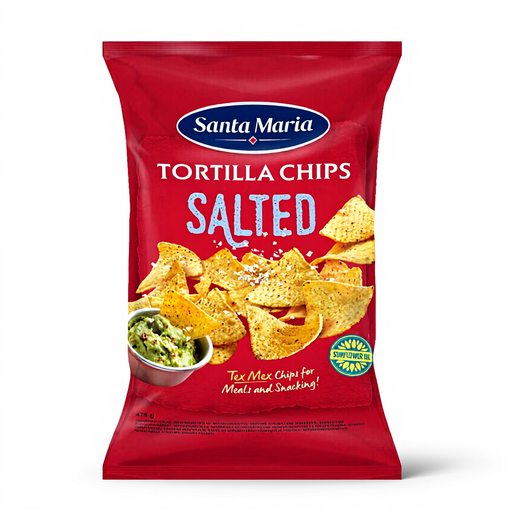
Santa Maria Tortilla Chips Salted - 475 g
The product information states that they are gluten-free and also lists soya as an allergen; check whether this warning is relevant to your group.
Weight: 475 g. Variant: Salted.
View at Joybuy
 No image available
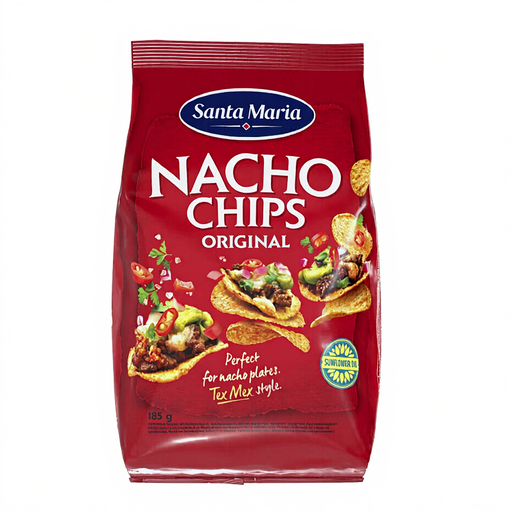
Santa Maria Original Nacho Chips - 185 g
The product information states that they are gluten-free and lists soya as an allergen; check the warning before choosing this variety for a group.
Weight: 185 g. Product type: nacho chips.
View at Joybuy
 No image available
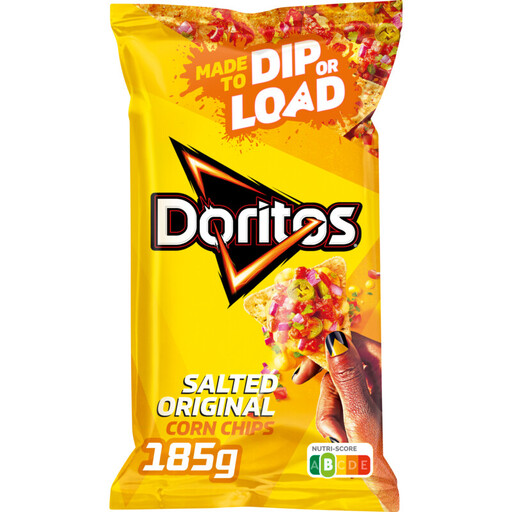
Doritos Dippers Natural - 185 g
This variety is described as suitable for nachos and dips; the product information warns that it may contain cereals containing gluten, soya and wheat.
Weight: 185 g. Variant: Natural.
View at Joybuy
 No image available
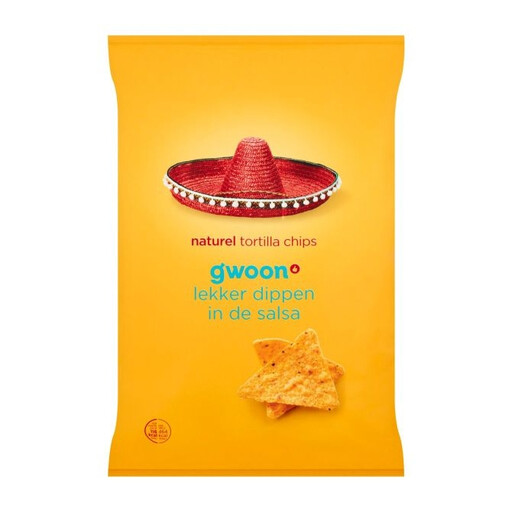
g'woon Tortilla Chips Natural - 165g
The product information describes these crisps as suitable for snacking and dips, but also warns of possible traces of gluten, soya or milk.
Weight: 165 g. Variant: Natural.
View at Joybuy
Frequently asked questions
Does lactose-free mean suitable for someone with a milk allergy?
No. Lactose intolerance affects the digestion of milk sugar; a milk allergy is a reaction to milk proteins. The Dutch Food Allergy Foundation explains the difference. If someone has a milk allergy, check the ingredients and relevant warnings, not just the lactose-free statement.
What does ‘gluten-free’ mean on packaging in the Netherlands?
In the EU, ‘gluten-free’ may be stated when a food, as sold to the final consumer, contains no more than 20 mg of gluten per kg. Implementing Regulation (EU) No 828/2014 sets out the requirements, and the European Commission explains the EU framework. The statement doesn’t mean that the product contains analytically zero gluten.
How should you read ‘May contain’ on Dutch packaging?
Treat it as a warning about possible cross-contamination, not as an ingredient that has been deliberately added. The Netherlands Food and Consumer Product Safety Authority states that rules for substantiated allergen warnings apply from 1 January 2026. Check the warning for the specific allergen someone needs to avoid.
How should you serve tortilla chips to a mixed group?
Put suitable crisps in separate, clean bowls and use separate serving utensils. Check each dip individually and make sure crumbs or other ingredients that need to be avoided don’t get into suitable portions. This is practical serving advice, not a guarantee that a product is suitable for every allergy.
How should you store leftover tortilla chips?
Follow the advice on the packaging of the variant you’ve bought. Albert Heijn advises closing the packaging securely after use; Jumbo Tortilla Chips Natural should be stored in a cool, dry place. Check the best-before information on your own pack.
What should you do if allergen information is unclear or there’s a safety warning?
If the information is unclear, contact the retailer or manufacturer and have the product name and packaging details to hand. The Netherlands Food and Consumer Product Safety Authority publishes safety warnings and provides a way to report unsafe food. If there’s a warning, follow the instructions for the exact product and batch concerned.


