
Shoppers looking for less fat
You’re specifically looking for tortilla chips with less fat and want to avoid letting a nutrition claim or a product from a different crisp category influence your choice.


Choose tortilla chips based on the exact product description and nutrition table: a claim that a product contains less fat is not the same as ‘low fat’. For an Easter egg hunt, portion size, allergen information and packaging matter too. Check the fat content of each variant individually.
You’re specifically looking for tortilla chips with less fat and want to avoid letting a nutrition claim or a product from a different crisp category influence your choice.
You’re organising a snack for an Easter egg hunt and want to work out how many chips to serve, without treating a sharing bag as one portion.
You’re buying for guests with allergies or dietary requirements and need information about the exact product and the dips. The general description ‘corn chips’ isn’t enough.
Start with the product type and the exact fat claim. Then work out which portion size, allergen information and packaging suit your group.
| What to consider | What should you check? | Who is this important for? |
|---|---|---|
| Fat claim and product type | Check that they’re tortilla chips, exactly what the claim compares and how much fat they contain per 100 g. The European Commission sets a maximum of 3 g of fat per 100 g for the ‘low fat’ claim on solid foods. Albert Heijn lists 20 g of fat per 100 g for both AH Tortilla chips naturel and AH Ribbelchips naturel minder vet; the latter are potato crisps, and the reduction claim compares them with AH Ribbelchips naturel. | If I’m looking for less fat, I want to know whether the chips are actually in the category I’m looking for and what the claim is based on. Around 36% of consumers in this shopping context prioritise this check. |
| Portion size and energy | Compare the energy per 100 g, the portion size stated on the label and the number of portions per pack. The Netherlands Nutrition Centre notes that light crisps may contain fewer calories than regular crisps, but the difference can be small. The AH pack checked lists eight 25 g portions; this is label information, not a portion recommendation for everyone. | When sharing a snack, I want to work out in advance how much to put out rather than treating the whole bag as one portion. Around 29% of consumers prioritise portion control. |
| Allergens and dietary requirements | Read the ingredients and allergen warnings on the pack of the exact variant, and check dips separately. For example, the AH Naturel variant states ‘may contain: soya’. The NVWA says allergens must be clearly and correctly shown on the label. | If I’m buying for guests with allergies or dietary requirements, I want to be able to check the right information for both the chips and the dips. Around 21% of consumers prioritise suitability. |
| Pack size and storage | Choose a pack that suits sharing or serving individual portions, and follow the storage instructions after opening. Jumbo lists Doritos Nacho Cheese in 170 g, 272 g and 20 x 44 g packs, among others. The Netherlands Nutrition Centre advises storing opened crisps in a cool, dry, dark place in a well-sealed container. | For a group, I want to choose a size that suits how I’m serving the chips and makes it easy to seal any leftovers properly. Around 14% of consumers consider packaging and storage most important. |
AH Ribbelchips naturel minder vet are potato crisps. The stated fat reduction compares them with AH Ribbelchips naturel, not with corn chips.
Check the product description first, then look at the nutrition table.
A product can contain less fat than the product it’s compared with and still not meet the threshold for a ‘low fat’ claim. The Netherlands Nutrition Centre also notes that the calorie difference between light crisps and regular crisps can be small.
Check the exact claim, the product it’s compared with, the fat per 100 g and the energy content separately. The European Commission sets a maximum of 3 g of fat per 100 g for the ‘low fat’ claim on solid foods.
The 200 g AH pack lists eight portions of 25 g. The amount shown on the label is product information; it doesn’t automatically determine how much you should serve your group.
Decide in advance how much you want to serve and portion out the chips according to your own plan.
Opened crisps can lose their crunch, and leftovers may end up being thrown away. The Netherlands Nutrition Centre advises storing them in a cool, dry, dark place in a well-sealed container; the general cupboard storage time is 2–5 days.
Only open what you’re going to serve and seal the rest properly.
The Dutch range offers a choice of flavours, including Nacho Cheese, Sweet Chilli Pepper, Cool American and Naturel.
The own-label range highlights the difference between plain corn chips and lower-fat potato crisps.
The range includes tortilla chips in a choice of flavours and pack sizes.
The official Dutch product listings include Snack Day Tortillachips zeezout and tortilla chips sweet paprika.
The SUN SNACKS range includes tortilla chips, including a blue corn variant.
Mission Foods Europe describes tortilla chips in round and triangular shapes, with a range of flavours for retail and foodservice.
These picks are tortilla and nacho chips for snack occasions, whether you’re serving them with dips or sharing them. Check the nutrition and allergen information for the exact variant you’re considering.
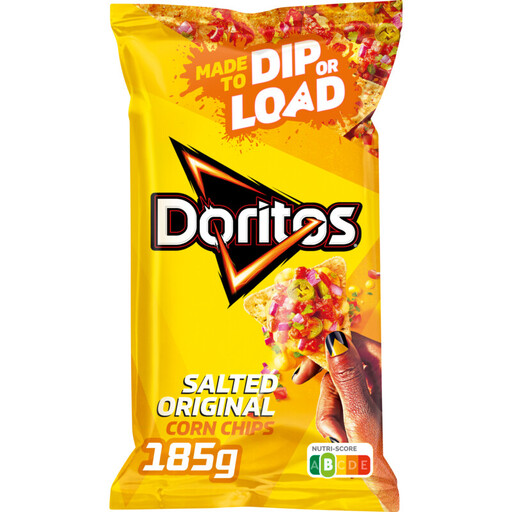 Image unavailable
The product description says they’re suitable for dipping and making nachos.
Listed fat content: 20 g per 100 g.
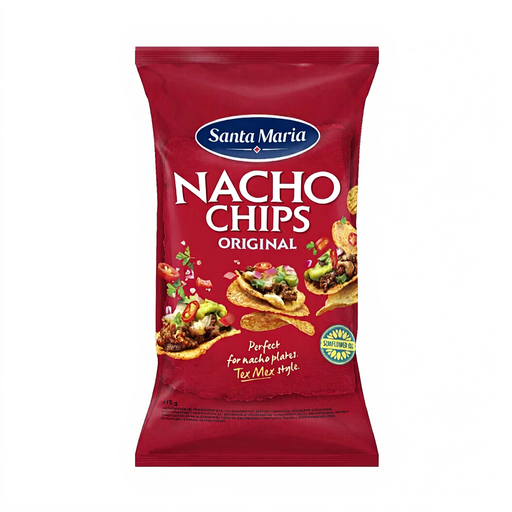 Image unavailable
The product description says the pack is suitable for sharing and suggests serving with dips or salsa.
Listed fat content: 20 g per 100 g. Product information lists soya.
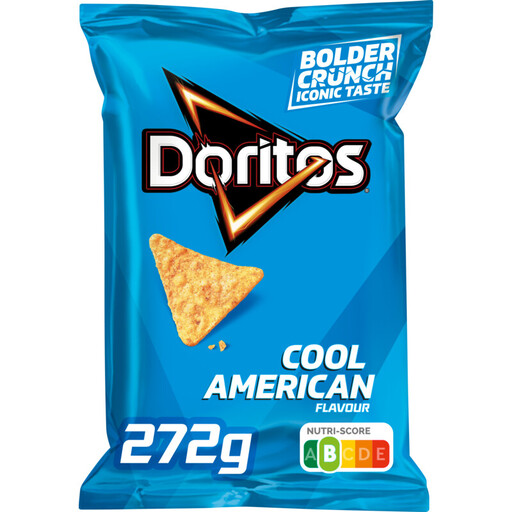 Image unavailable
The product description says the pack is suitable for sharing.
Listed fat content: 26 g per 100 g. Product information lists milk and lactose.
Image unavailable
The product information lists a 475 g pack with 12 portions, suitable for a larger group.
Listed fat content: 20 g per 100 g. Product information lists soya.
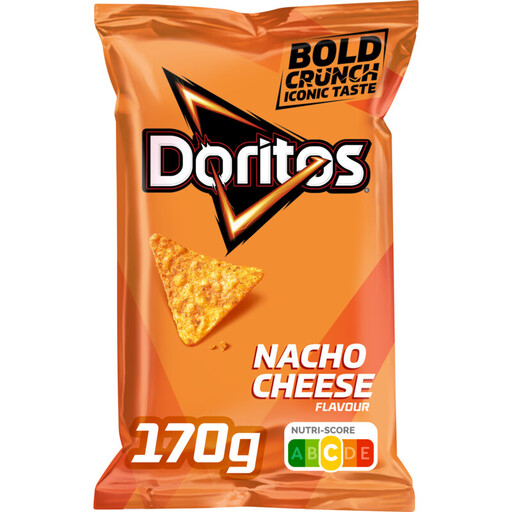 Image unavailable
The product description suggests serving with salsa, guacamole or cheese dip and lists 5–6 portions per pack.
Listed fat content: 22 g per 100 g. Product information lists milk.
For solid foods, the European Commission sets a maximum of 3 g of fat per 100 g for the ‘low fat’ claim. A product containing relatively less fat than a comparison product doesn’t automatically meet this threshold.
No. The term alone doesn’t tell you how many calories a particular variant contains. The Netherlands Nutrition Centre notes that light crisps may contain fewer calories than regular crisps, but the difference can be small. Compare the energy per 100 g on the labels.
Store opened crisps in a cool, dry, dark place in a well-sealed container. The Netherlands Nutrition Centre gives a general cupboard storage time of 2–5 days for crisps; also follow the storage instructions on the pack.
Read the ingredients and allergen warnings on the pack of the exact crisps variant, and check dips separately. The NVWA says that new rules for warnings about possible allergen cross-contamination apply from 1 January 2026; this doesn’t mean every variant is suitable for every allergy.
No. Treat the stated portion as product information, not individual dietary advice. The AH pack checked lists 25 g per portion and eight portions; this doesn’t automatically tell you how much to serve your group.