Choose tortilla chips based on the substance you need to avoid, then check the exact product variant, ingredients and warnings on the packaging. A corn base or plain flavour is no guarantee that a product is gluten-free; vegan, lactose-free and milk-protein-free also mean different things.
Who is this guide for?
Gluten-free football fan
You’re looking for crisps that fit a gluten-free diet. Distinguish between an explicit gluten-free claim, ingredients that are naturally gluten-free and a warning about cereals containing gluten. The Dutch Coeliac Association explains the difference.
Snack buyer avoiding milk
You want to know whether you need to avoid milk protein or limit lactose. These are different needs: a milk allergy concerns milk proteins, while lactose intolerance relates to milk sugar. The Food Allergy Foundation and the Netherlands Nutrition Centre explain the difference.
Host catering for different dietary needs
You’re hosting an Oranje evening and want to make suitable snacks easy for every guest to identify. Separate, clean bowls and dips can help you serve products separately; the Dutch Coeliac Association explains how crumbs can transfer gluten to other foods.
What should you look for when buying?
First decide which substance you need to avoid, then check the exact product variant. A gluten-free claim, a vegan label and lactose information answer different questions.
| What to consider |
What should you check? |
Who is this important for? |
| Choosing gluten-free |
Look for an explicit gluten-free claim or recognised certification, and check the ingredients and warnings too. The Dutch Coeliac Association distinguishes between such claims and products that simply have gluten-free ingredients. |
If gluten is your main exclusion criterion, look beyond the corn base. Around 28% of consumers in this choice breakdown prioritise gluten-free products. |
| Avoiding milk protein |
Check the ingredients for milk, cheese powder and milk protein, as well as any relevant warnings. PepsiCo lists milk ingredients for Doritos Cool American 170 gr. |
If you have a milk allergy, you need to look for milk proteins, not just lactose. Around 22% of consumers prioritise avoiding milk protein. |
| Avoiding other allergens |
Check the ingredients and warnings for the specific allergen you need to avoid; a gluten-free or vegan claim doesn’t replace this check. The NVWA explains the requirements for allergen information. |
If, for example, soya, peanuts, nuts or sesame are the deciding factor for you, check specifically for that substance. Around 22% of consumers prioritise another specific allergen. |
| Limiting lactose |
Look for product-specific lactose information and follow the dietary advice that applies to you. The presence of milk in the ingredients list does not, on its own, indicate the amount of lactose. |
If you limit lactose but don’t have a milk-protein allergy, assess this need separately. Around 17% of consumers prioritise limiting lactose. |
| Catering for a group |
Discuss dietary needs in advance, keep packaging with the relevant product variant and use separate, clean bowls and dips where needed. |
If you want to organise different dietary needs clearly, serving items separately and labelling them makes things easier. Around 11% of consumers prioritise organising for a group. |
Common mistakes
-
Assuming plain or corn-based means gluten-free
A corn base or plain flavour does not, on its own, mean that a product is gluten-free. PepsiCo states that Doritos Naturel Tortilla Nacho Chips 185 gr may contain soya and wheat (gluten).
Check the packaging and the gluten-free information for the exact variant you want to buy.
-
Treating lactose-free, milk-free and vegan as the same thing
A milk allergy concerns milk proteins, while lactose intolerance relates to milk sugar. A vegan label is not an allergen declaration; the Dutch Vegetarian Association stresses that the V-Label is not a substitute for one.
First decide which substance you need to avoid, then check the relevant ingredients and warnings.
-
Mixing a checked bag with other crisps or sharing a dip
According to the Dutch Coeliac Association, crumbs can transfer gluten to other foods, so serving everything together can undermine your earlier product choice.
Keep the packaging with the relevant crisps and, if needed, serve checked products in separate, clean bowls with separate dips.
-
Applying a claim from another country to a Dutch product variant
Mission Foods Europe describes a European tortilla chip range; the gluten-free and vegan claims for Mission Grain Free apply to a separate US product range.
Check the full product name, variant, packaging and market before assuming a free-from claim applies to a product.
Brands to consider
Doritos
The Dutch variants reviewed show why each flavour needs to be assessed separately.
- PepsiCo states that Naturel 185 gr may contain soya and wheat (gluten).
- According to PepsiCo, Cool American 170 gr contains milk ingredients. This information applies to those variants, not the whole brand.
Albert Heijn
AH Tortilla chips naturel is a supermarket variant reviewed here; Vegan Wiki says the manufacturer labels it as vegan.
- The vegan label may be relevant if you prefer plant-based products.
- A vegan label does not confirm that a product is suitable for someone with an allergy. Albert Heijn advises checking the packaging before consumption.
Jumbo
Jumbo describes Tortilla Chips Naturel 300 g as salted corn chips for dipping.
- The retailer says its customer service can provide a list of own-brand products suitable for a gluten-free or lactose-free diet.
- This general service does not, by itself, confirm that this specific plain variant is suitable.
Lidl
Lidl Netherlands has a product page for Tortilla chips sweet paprika, a seasoned flavour variant.
- The product name helps you identify the flavour variant.
- A flavour name does not, by itself, confirm allergen status or suitability for a free-from diet.
Aldi
ALDI Netherlands describes a crisps range that includes its own brands and leading brands.
- The range information distinguishes between the retailer and product brands.
- The retailer’s name tells you nothing about the ingredients or allergens in a specific tortilla chip.
Mission
Mission Foods Europe describes a European tortilla chip range with several flavours.
- The European range offers flavours worth assessing individually.
- Claims for the US Grain Free range do not automatically apply to European or Dutch variants.
Tortilla chips at Joybuy
These product picks are tortilla chips with an explicit gluten-free claim in the product information; also check that the other ingredients and allergen information suit your diet.
 No image available
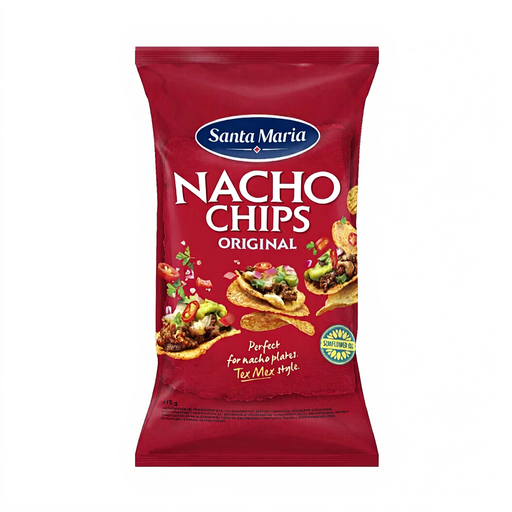
Santa Maria Nacho Chips Original - 475 g
The product information describes these nacho chips as gluten-free and suitable for serving with dips or salsa.
The listed ingredients are maize flour, sunflower oil and salt; soya is listed as an allergen.
Joybuy
 No image available
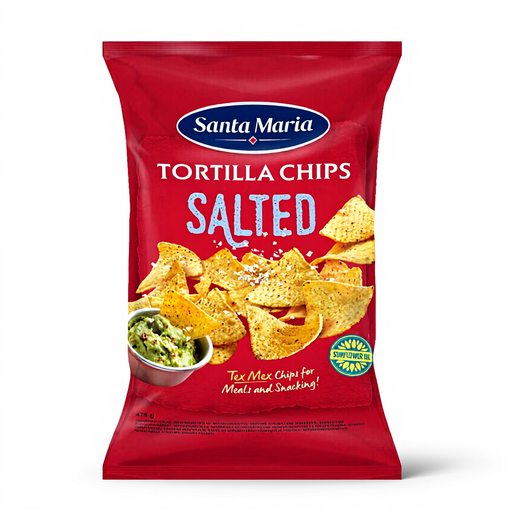
Santa Maria Tortilla Chips Salted - 475 g
The product information describes these salted tortilla chips as gluten-free and suitable for serving with dips.
The listed ingredients are maize flour, sunflower oil and salt; soya is listed as an allergen. According to the product information, the pack contains 12 servings.
Joybuy
Frequently asked questions
Does gluten-free mean that there can be no gluten present at all?
No. A gluten-free claim does not mean you can skip checking the full product information. The Dutch Coeliac Association distinguishes products labelled gluten-free from those that simply appear gluten-free based on their ingredients; a corn base alone does not answer the question about a product.
Can I use lactose-free as a selection criterion if I have a milk allergy?
Not as your only criterion. A milk allergy concerns milk proteins, while lactose intolerance relates to milk sugar. The Food Allergy Foundation describes milk allergy as a reaction to proteins in animal milk; if you have a milk allergy, check for milk proteins and relevant warnings.
Is a vegan label also an allergen certification?
No. The Dutch Vegetarian Association stresses that the V-Label is not an allergen declaration. If you have a food allergy, also check the ingredients and relevant warnings on the packaging.
How can I keep the snack table organised for guests with different dietary needs?
Keep the packaging and, where needed, serve checked products separately in their own clean bowls with separate dips. This is a practical way to keep products apart, based on the Dutch Coeliac Association’s explanation of how crumbs can transfer gluten; serving a product separately does not make an unsuitable product suitable.
What allergen information must be shown on the label?
The NVWA says allergen information must appear on the label of prepacked products. According to the NVWA, new Dutch rules on warnings about possible cross-contamination also apply from 1 January 2026; check the current information on the packaging of the exact variant.


