What to look for in tortilla chips for different dietary needs
Start with your guests’ specific dietary needs, then check the exact product variant, the warnings on the packaging and what you’ll serve alongside it.
The percentages below show the main purchase priorities of consumers with free-from needs when choosing products for a garden party. If someone has several needs, their self-selected top priority is counted.
| What to consider |
What to check when buying |
Who is this most important for? |
| Avoiding a specific allergen |
The ingredients for the exact variant and any warnings about possible presence. |
If a guest needs to avoid a particular allergen, I want to be able to check both the ingredients and the warnings. Around 29% of consumers put allergen avoidance first. |
| Choosing gluten-free |
A gluten-free label on the exact product packaging and any warnings about cereals containing gluten. |
If a guest needs to eat gluten-free, I look for confirmation on the packaging rather than relying on the fact that the product is made with corn. Around 23% of consumers put gluten-free assurance first. |
| Lactose-free or milk allergy |
Distinguish between lactose intolerance and milk allergy, and check the ingredients in the dips too. |
If lactose is the issue, I look for a suitable lactose-free option; if it’s a milk allergy, a lactose-free claim isn’t enough. Around 18% of consumers put avoiding lactose first. |
| Choosing vegan |
The label for the exact flavour, as well as the allergen information. |
For guests who eat vegan, I want a label for the variant I’ve chosen, without assuming that this means it’s gluten-free or suitable for people with allergies. Around 18% of consumers put vegan food first. |
| Buying and serving separately |
Compare the pack size with your portion plan and use clearly marked, separate bowls and dips. |
If I need to cater for several dietary needs, I want to keep suitable chips and dips separate and avoid crumbs. Around 12% of consumers put serving arrangements first. |
Joybuy products for garden parties and dietary needs
These Joybuy products are tortilla chips for a vegan preference, a gluten-free option or serving with dips; check the allergens listed for each variant too.
 No image available
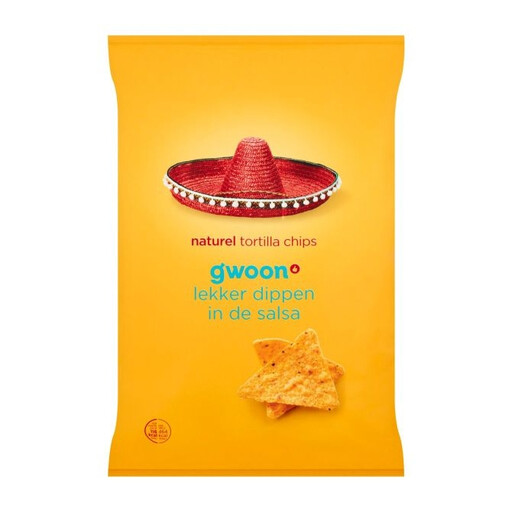
g’woon Tortilla Chips Naturel 165 g
The product information describes this plain variant as suitable for vegans and suggests serving it with salsa, guacamole or other dips. The same information warns of possible traces of gluten, soya and milk.
Joybuy
 No image available
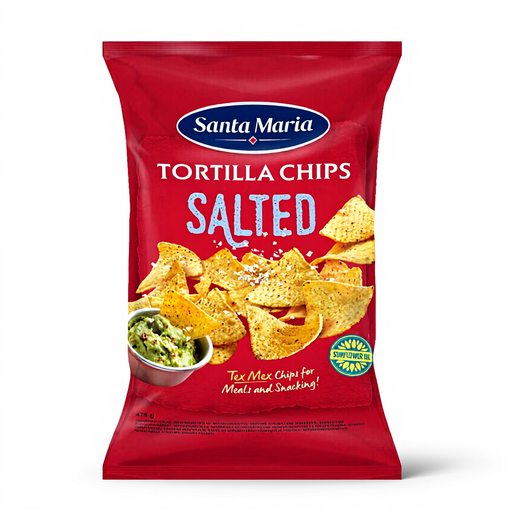
Santa Maria Tortilla Chips Salted 475 g
The product information describes these salted tortilla chips as gluten-free and lists soya in the allergen information. Consider this warning separately if a guest needs to avoid soya.
Joybuy
 No image available
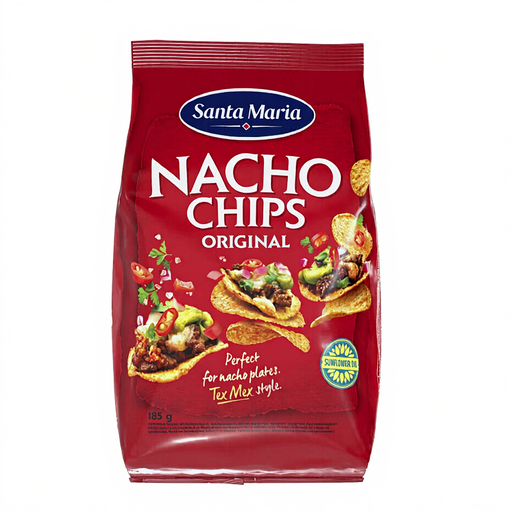
Santa Maria Original Nacho Chips 185 g
The product description says these are made with a gluten-free recipe and suggests serving them with dips or salsa. It lists cornflour, sunflower oil and salt as ingredients; soya is included in the allergen information.
Joybuy
Frequently asked questions
What does ‘may contain’ mean on packaging?
It’s a warning about possible cross-contamination and doesn’t necessarily mean the allergen is an ingredient. According to the NVWA, such a warning is used when there’s a risk of exceeding reference values; since 1 January 2026, the NVWA has been checking the new rules for allergen information on labels.
Are chips labelled gluten-free automatically suitable for every allergy?
No. A gluten-free label relates to gluten and doesn’t mean that other allergens are absent. For example, AH Tortilla chips naturel 200 g is labelled gluten-free, but Albert Heijn also warns that this variant may contain soya.
Does lactose-free mean the same as suitable for a milk allergy?
No. Lactose is milk sugar, whereas a milk allergy is a reaction to milk proteins. The Netherlands Nutrition Centre explains this distinction; choose according to your guest’s specific dietary requirements and check the dips too.
How can you keep chips and dips separate for guests who eat gluten-free?
Set the selected chips and separately checked dips apart, clearly marked, and make sure crumbs or toppings containing gluten don’t end up in the bowl. This is a practical serving precaution, not a legal requirement for a private garden party.
Do allergens have to be clearly listed on Dutch crisp and snack packaging?
Yes. According to the NVWA, 14 allergens must be listed; in the ingredients list, the relevant names must be clearly distinguishable from the other ingredients. This is a labelling requirement, not a certification that a product is allergen-free.


