
If lower fat is your priority
You mainly want to compare crisps by their fat content for an evening in front of the TV, and you’re happy to switch from tortilla chips to a different type of crisp.


If you’re mainly looking to cut down on fat, compare the fat content per 100 g of lower-fat crisps with that of regular tortilla chips. Bear in mind that you may end up choosing a different type of crisp, too. If dips or nachos matter more to you, plain tortilla chips are the more obvious choice. Albert Heijn lists 20 g of fat per 100 g for its plain tortilla chips, while Jumbo lists 22,2 g for its plain variety. Also think about how much you plan to eat during your evening in front of the TV.
You mainly want to compare crisps by their fat content for an evening in front of the TV, and you’re happy to switch from tortilla chips to a different type of crisp.
You’re looking for tortilla chips to serve with a dip or use in a cheesy dish. Albert Heijn and Jumbo describe their plain varieties as suitable for dipping; also compare the nutritional information and the portion you plan to have.
Before sharing a bag, you want to know which ingredients, allergen warnings and salt levels are listed on the current packaging.
Choose this if: you’re looking for tortilla chips to serve with a dip or use in nachos; Albert Heijn and Jumbo describe their plain varieties as suitable for dipping.
The trade-off: their plain varieties list 20 g and 22,2 g of fat per 100 g respectively, so don’t assume they’re proven to be lower-fat tortilla chips.
Choose this if: fat content matters more to you than the tortilla shape. Albert Heijn and Jumbo’s lower-fat crisp ranges also include other types of crisps.
The trade-off: don’t assume they’ll work in the same way with dips or nachos; compare your chosen product with tortilla chips using the values per 100 g.
If you’d like a lighter snack for an evening in front of the TV, it helps to choose one main priority: fat content, using the crisps as tortilla chips, or the information on the label.
| What to consider | What to check before buying | Best suited to |
|---|---|---|
| Fat content | Compare fat per 100 g and work out how much that means for the amount you plan to eat. Also check whether you’re looking at tortilla chips or another type of crisp. | If I mainly want to eat less fat, fat content should matter more than the shape of the crisp. Around 46% of consumers make this their priority. |
| For dips or nachos | Check whether the product is described as a tortilla chip for dipping or nachos, and decide on your portion. | For an evening in front of the TV with dip or nachos, my first choice would be tortilla chips made for that purpose. This is the priority for around 36% of consumers. |
| Label | Check the current ingredients, allergen warnings and salt content per 100 g. | When I put crisps out for other people, I want to check what’s in them and which warnings apply. Label checks are the priority for around 18% of consumers. |
A corn-based tortilla chip isn’t necessarily a lower-fat crisp. Albert Heijn and Doritos list 20 g of fat per 100 g for their plain tortilla chips; Jumbo lists 22,2 g for its plain variety.
Compare the fat content per 100 g of the specific bags you’re considering, rather than relying on the product name.
Albert Heijn and Jumbo’s lower-fat crisp ranges also include crisps that aren’t tortilla chips. A lower fat content alone doesn’t tell you whether they’re suitable for dips or nachos.
Before choosing, decide whether fat content or the tortilla shape matters more for your evening in front of the TV.
The product information for Doritos Naturel mentions the possible presence of cereals containing gluten, soya and wheat. Ingredients and salt levels may also influence your choice.
Check the current ingredients and allergen information, and compare the nutritional information on the packaging.
A supermarket own-brand variety of plain tortilla chips, which Albert Heijn also describes as suitable for dipping or serving with cheese.
A supermarket own-brand variety of plain tortilla chips, which Jumbo describes as suitable for dipping.
A plain tortilla chip variety for anyone looking for a corn chip to serve with a dip or use in nachos.
ALDI includes SUN SNACKS Tortillachips in a 300 g bag in its crisp range.
These Joybuy products are oven-baked potato crisps for anyone considering a different type of crisp from tortilla chips for an evening in front of the TV. Compare their current nutritional information per 100 g before choosing.
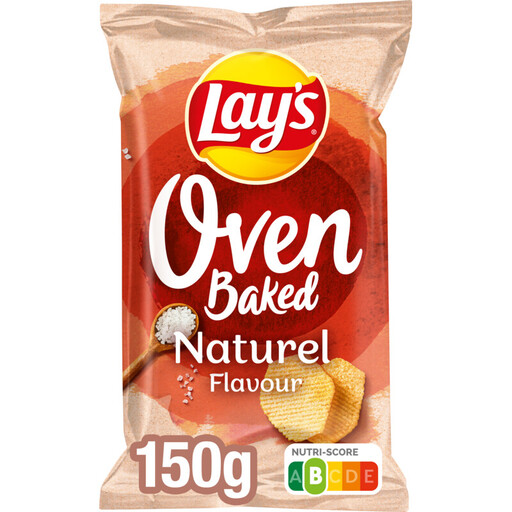 Image unavailable
For anyone considering a potato crisp instead of a tortilla chip for an evening in front of the TV. The bag contains 150 g; don’t assume it will work in the same way as tortilla chips for dips or nachos.
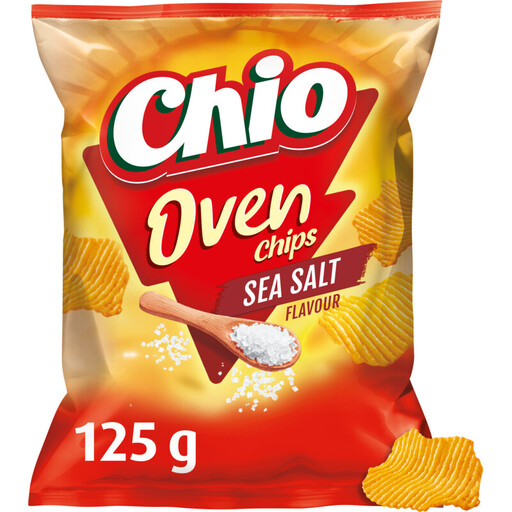 Image unavailable
For anyone wanting to compare a potato crisp with tortilla chips for an evening in front of the TV. The bag contains 125 g; check the current packaging for nutritional values, serving size and allergen information.
No. A claim about fat alone doesn’t tell you whether the crisps suit what you want to eat. The Netherlands Nutrition Centre notes that the calorie difference between light crisps and regular crisps can be small, so compare the nutritional information and the amount you plan to have, too. If you want to serve a dip or make nachos, also check the type of product.
First compare the nutritional values per 100 g, then work out what they mean for your portion. If you’re comparing Nutri-Scores, use them for products of the same type, as the Netherlands Nutrition Centre advises. A score won’t tell you whether a different type of crisp will work in the same way with dips or nachos.
No, check the current ingredients and allergen information on the packaging. The Netherlands Food and Consumer Product Safety Authority highlights the importance of clear allergen information on pre-packed foods; also look out for warnings about possible traces.
Seal the bag tightly and follow the storage instructions on the specific packaging. That way, you can also check the product’s shelf-life information before your next evening in front of the TV.