
Vandaag of morgen in huis

Kwaliteit gegarandeerd

Welkomstaanbiedingen ontgrendelen: GRATIS bezorging | Tot 80% korting | Gratis 30 dagen JoyPlus-proefperiode
Download de app
A torque wrench helps prevent you from tightening a bolt too loosely or too tightly. This matters when working on carbon bike components, brake parts, engines and car fasteners. Yet many DIY enthusiasts choose a model based only on the price or a striking percentage on the packaging.
The most common pitfalls are easy to avoid:
First, check the specified tightening torque for the components you want to fit. A torque wrench for bikes often needs a low range, such as below 10 Nm. Higher values are common for car and motorbike maintenance.
Practical guidelines:
Avoid regularly using a wrench at the very bottom or top of its range. A model whose range suits the work you do will usually give you a clearer, easier-to-control setting.
The drive size determines which sockets and accessories will fit. The most common sizes are:
A ratchet torque wrench is handy in places where you have limited room to move. Also check whether the ratchet works in one or both directions and whether the set includes adapters or extension bars. When buying a torque wrench set, check the contents carefully: the product photo may show more accessories than are actually included.
A mechanical torque wrench often indicates the set torque using a scale and a click. It’s simple to use and doesn’t need batteries. With a digital torque wrench, you read the value on a display. Some models also have an audible alert, an indicator light and vibration.
Check the product information for:
A certificate or factory report is useful if you want to check the tool’s inspection history. It doesn’t automatically replace periodic checks if you use the tool intensively.
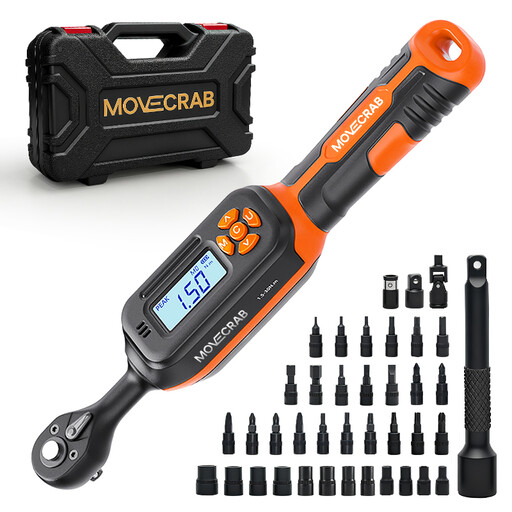
Why it suits this profile: The 1.5–30 Nm range covers many bike and motorbike jobs. According to the product description, the set includes bits, sockets, adapters and a protective case.
The drive size and measurement range are clearly stated. Check in advance that the included sockets fit your fasteners.
1/4-inch drive, digital display, 40-piece set and storage of preset values according to the product information.
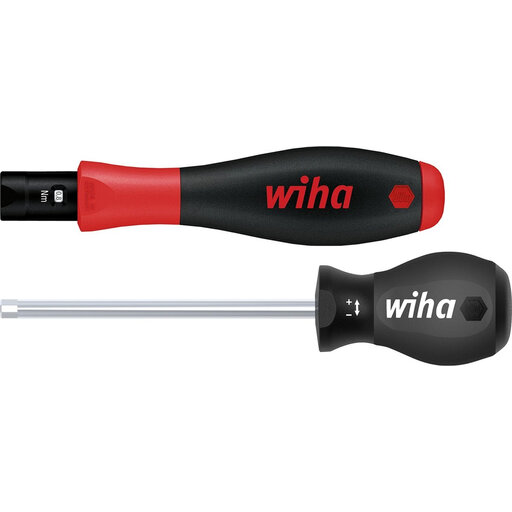
Why it suits this profile: This torque screwdriver is designed for low tightening torques. The scale is built into the handle and, according to the product description, a factory inspection certificate is included.
The low measurement range helps prevent you from using a wrench that’s too powerful for small fasteners. According to the product information, bits aren’t included.
Stated accuracy of ±6%, SoftFinish handle and compatibility with Wiha blades from the 2859 series.
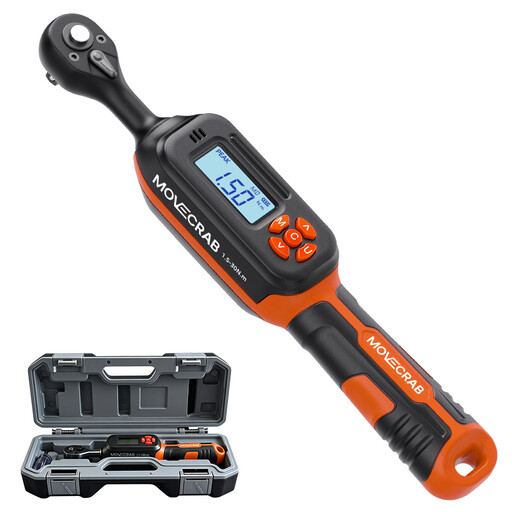
Why it suits this profile: The 3/8-inch drive and measurement range are suitable for a variety of jobs on bikes, motorbikes and cars. According to the product description, it offers multiple measurement units, preset values and a memory function.
According to the product description, vibration, sound and an LED indicate when the set value is reached. This is helpful if the display or surrounding noise makes it harder to use visual or audible alerts.
The manufacturer states an accuracy of ±2%. Track and Peak modes are also listed, along with storage for up to 500 measurements.
We’ve put together a complete, up-to-date list of products that meet these strict selection criteria and the applicable European safety regulations.
Always set an adjustable torque wrench to the value specified in the component’s instructions or by the manufacturer. Pull steadily and smoothly. Stop as soon as the click or digital alarm is triggered.
Also keep these points in mind:
For workshops and daily use, it’s sensible to check accuracy regularly. For occasional jobs, correct adjustment and careful storage are just as important.
Bike components often need a low measurement range, such as 0.5–2.0 Nm for small fasteners or 1.5–30 Nm for a wider range of maintenance jobs. Always check the component specifications. A torque screwdriver is practical for low torques, while a 1/4-inch digital torque wrench offers a wider range and more accessories.
It depends on how you work. A digital torque wrench displays the value directly and, according to the product description, may offer additional alerts, units and memory functions. A mechanical torque wrench works without batteries and often has a simple scale and click mechanism. Focus on comparing the range, drive size and stated accuracy.
Its lifespan depends on use, storage and the loads it’s subjected to. Regularly overloading it, dropping it or storing it somewhere damp can affect how it works. After use, return a mechanical model to the setting specified in the instructions, and have a frequently used wrench checked periodically. For electronic models, also check the batteries and the condition of the display.
