
Vandaag of morgen in huis

Kwaliteit gegarandeerd
Download de app
Categorieën

A loose bolt can create dangerous situations, while an overtightened bolt can damage costly components on your bicycle, motorcycle, or car. Using a torque wrench isn't a luxury; it's a necessity for anyone serious about maintenance and repairs. This tool ensures that you tighten bolts and nuts with the exact right amount of force, known as torque.
But which torque wrench do you need? The selection is vast, and the specifications can be confusing. This guide will help you make the right choice based on factual specifications, ensuring you make an informed purchase.
Before you buy a torque wrench, it's important to consider a few key aspects. These will determine which type is best suited for your tasks.
There are primarily two types of torque wrenches popular with both hobbyists and professionals:
The torque range is the most critical specification. It indicates the minimum and maximum force the wrench can apply. A torque wrench for a bicycle needs a low torque range, often between 2 and 20 Nm, for delicate carbon or aluminum components. For a torque wrench for a car, such as for tightening wheel nuts, you need a much higher range, which can go up to 200 Nm or more.
The drive is the square head where you attach the socket. The most common sizes are:
The accuracy of a torque wrench is expressed as a percentage. For mechanical wrenches, a deviation of ±4% is standard. Professional and digital models often offer higher accuracy of ±2% or better. Check if the wrench comes with a calibration certificate, which is an indicator of quality control.
Below is a selection of torque wrenches, based on their specifications and applications.
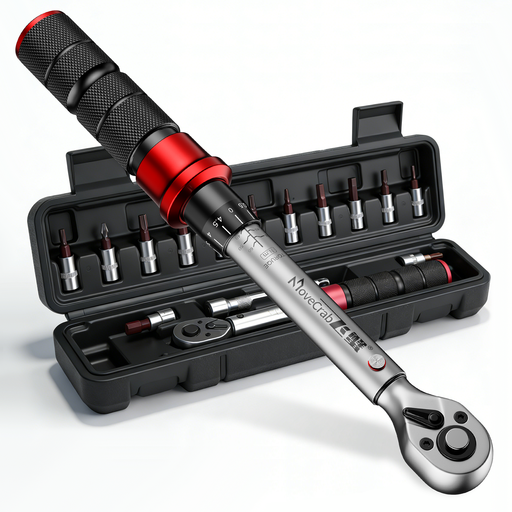
Why This Product This is a mechanical click-type torque wrench set, specifically designed for precision work. Its low torque range and 1/4 inch drive make it a suitable choice for bicycle maintenance and other tasks where precision is required.
Key Features
Who Is It For? This set is ideal for the dedicated bike mechanic or enthusiast looking for a reliable, complete, and mechanical bicycle torque wrench for maintaining components like stems, seat posts, and other sensitive parts.
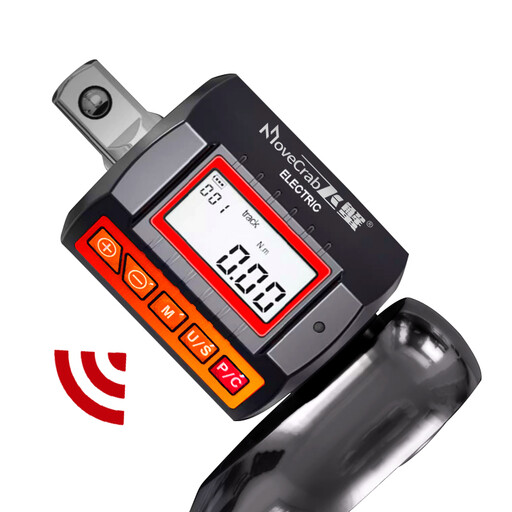
Why This Product This digital adapter transforms your standard ratchet into a high-precision digital torque wrench. With a very wide torque range and included adapters, this is a flexible solution for various jobs.
Key Features
Who Is It For? For the DIYer or professional who already owns a good ratchet set and wants to upgrade it with digital precision. Its wide range makes it suitable for both motorcycle and automotive work, from engine components to wheel nuts.
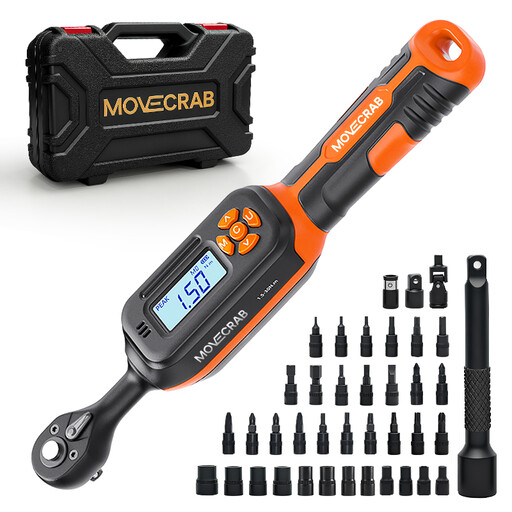
Why This Product This is a complete professional torque wrench set with a digital wrench at its core. The set is designed for tasks that require a high degree of precision and offers advanced digital features in a comprehensive package.
Key Features
Who Is It For? For the serious hobbyist or professional seeking an all-in-one digital solution. This torque wrench set is perfect for complex tasks on bicycles and motorcycles where traceability and high accuracy are crucial.
The products above are a selection targeted at specific applications. Your project may require a different type of tool or a different torque range. Whether you're looking for a specific type of torque wrench or other specialized tools, our full assortment offers more options.
Check out all our bicycle tools for a complete overview.
1. What is the difference between a click-type torque wrench and a digital torque wrench? A click-type torque wrench is mechanical and provides a physical 'click' when the set torque is reached. A digital torque wrench uses an electronic sensor and a display for a precise reading and often offers extra features like memory and different units of measurement.
2. How often should a torque wrench be calibrated? For professional use, it is often recommended to have a torque wrench calibrated annually or after every 5,000 cycles. For the hobbyist who uses the wrench less frequently, this is needed less often. Always handle the wrench with care and do not drop it to maintain its accuracy. Always turn the setting back to its lowest value after use to release spring tension.
3. Can I also use a torque wrench to loosen bolts? Most torque wrenches are primarily designed for the controlled tightening of bolts and nuts. Although some models (like those mentioned above) can measure bidirectionally, it is generally not recommended to use a torque wrench as a standard ratchet to break loose stubborn bolts. This can damage the calibration mechanism. Use a standard ratchet or a breaker bar for this purpose.