
Shopper with a narrow laundry space
You have very little width to spare and want to know whether a top-loader will fit. Remember to allow enough room above the machine to open the lid.


If width is your main constraint, a top-loader may fit. If depth is limited, a front-loader could be a better option, depending on its full external dimensions and the space needed for the lid or door. The Consumers’ Association gives the typical width of a standard front-loader as around 60 cm. The Whirlpool, AEG and Haier top-loaders in this comparison are around 40 cm wide according to their manufacturers, but still take up depth. Measure the space needed for connections too, and choose a load capacity that suits the total amount of washing you usually do, not just your shorts.
You have very little width to spare and want to know whether a top-loader will fit. Remember to allow enough room above the machine to open the lid.
You’re mainly short on depth. Compare the full external dimensions, and check there’s enough room for hoses, connections and access.
You wash cotton shorts, sometimes with other clothes, and want a load capacity and programme that suit the total amount of washing you usually collect.
Choose this when: there isn’t room for a front-loader around 60 cm wide and there’s enough space above the machine to open the lid.
Keep in mind: a narrower machine isn’t necessarily shallower. Compare the dimensions of each model.
Choose this when: there’s enough width and the space in front of the machine is clear for the door to open.
Keep in mind: check the depth, including the space needed for connections, and allow room for the open door.
Start with the measurement that limits your space: width, depth and clearance for opening are separate things to check. Then measure the total amount you usually wash and see which programme is suitable for the shorts’ care label.
| What to consider | What should you check? | Who should pay particular attention? |
|---|---|---|
| Width and lid | Measure the access route and space for the machine, then compare its external width. For a top-loader, check that the lid can open freely above the machine. | If the space is narrow, I want to know whether a top-loader will fit and whether I can open the lid. Around 36% of consumers asking this question put available width first. |
| Depth and connection space | Compare the model’s full depth and allow for hoses and the access needed in front of or behind the machine. | If the space is shallow, I want to avoid buying a machine that fits on paper but is difficult to access because of the hoses or door. For around 29% of consumers asking this question, depth is the main priority. |
| Cotton washing and load capacity | Read the care label and check which programme is suitable, as well as the load capacity for the total amount you usually wash. Milieu Centraal recommends choosing a drum capacity that suits your household. | I want to wash my shorts according to the care label and choose a drum for the total cotton load, not just one garment. Around 21% of consumers asking this question prioritise a suitable cotton programme. |
| Energy and water | Compare the stated energy and water figures on the same eco 40–60 basis; these figures won’t necessarily match the consumption of every other programme. | If I mainly want to compare running costs, I look at energy and water on the same basis. This is a priority for around 14% of consumers asking this question. |
A top-loader may take up little width, but still be around 60 to 63.5 cm deep. Measure the width, depth and height separately, and check the clearance needed to open and connect the machine.
Choosing the wrong size could mean extra installation work. Check the space for the machine and its connections before choosing a model.
The maximum load capacity tells you how much laundry fits in one load, not how much you usually collect. Choose a capacity that suits the total amount you expect to wash.
First compare your usual load with the cotton programme you need; then look at any extra features.
Label figures are based on a particular programme and don’t automatically show the consumption of every cotton or quick-wash programme.
Compare figures on the same eco 40–60 basis, and follow the shorts’ care label when washing them.
Haier lists the HW90-BPD13386U1 at 1300 rpm, while a Joybuy product title states 1400 rpm. This difference makes it important to check the exact product version.
Check the specifications for the version on offer before taking the spin speed into account.
The TW 6521S SENSE WASH BE is a top-loader for spaces where width is the main constraint.
The LTR6363A is a top-loader with a separately listed cotton programme.
The HW90-BPD13386U1 is a top-loader with a higher stated capacity than the Whirlpool and AEG models listed here.
The WAN2809XNL is a front-loader to consider if you have around 60 cm of width available.
The selection below includes front-loaders and foldable mini washing machines. For each model, check whether the available space and stated load capacity suit the load you want to wash.
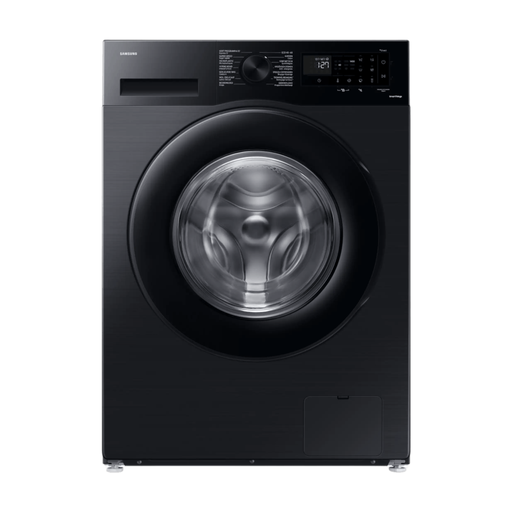 No image available
A front-loader to consider if you regularly wash larger mixed loads; 11 kg may offer more capacity than you need for just a few pairs of shorts.
The product title lists 11 kg, 1400 rpm and energy class A.
 No image available
A front-loader for anyone looking for a standard washing machine and regularly washing larger loads; compare its 9 kg capacity with the amount of laundry you usually wash.
The product title lists 9 kg, 1400 rpm and energy class A. Check the cotton programme instructions against the care label.
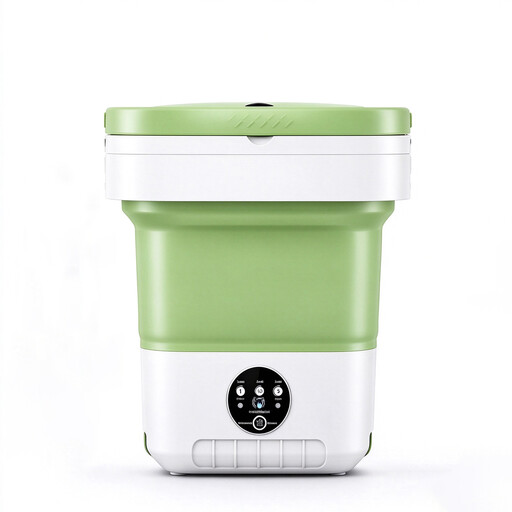 No image available
A portable model for small loads; it’s not an obvious substitute for a standard washing machine if you want to wash shorts with a larger load.
The product information lists a maximum load of 1,5 kg and a separate spin basket. Check that the capacity suits what you want to wash.
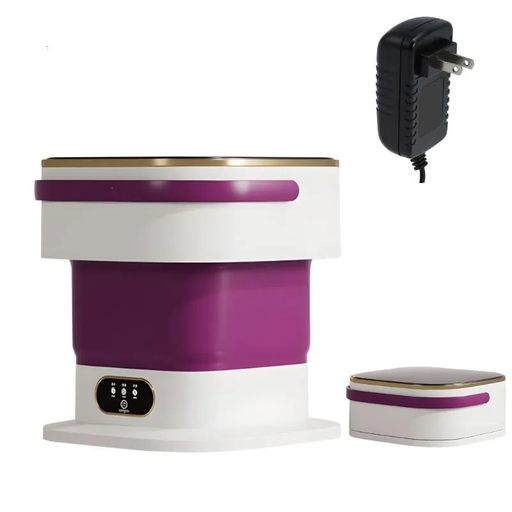 No image available
A portable model for small loads; check that the stated maximum suits your laundry needs before considering it for cotton shorts.
The product information lists a maximum load of 1,9 kg and a separate spin basket.
 No image available
A front-loader to compare if the available space and an 8 kg drum suit the total amount you usually wash.
The product title lists 8 kg, 1400 rpm and 16 wash programmes. Check the model information to find a programme that suits the care label on your shorts.
No, check the care label first. According to the European Commission, eco 40–60 is intended for normally soiled cotton garments that are labelled as washable at 40 °C or 60 °C. If the care label gives different instructions, follow those instead.
Check that the machine is stable and that the water supply, drain, hoses and earthed socket are all properly set up. Follow the model’s instructions for transit protection; Bosch specifies that the transit bolts must be removed from its washing machines before use.
Choose a drum capacity that suits your usual load and use the eco programme for laundry that’s suitable for it. Milieu Centraal also recommends washing at 60 °C about once a month to remove detergent and dirt residue; be sure to follow your model’s instructions too.
If a product is faulty, contact the retailer about your statutory guarantee. According to the Dutch government, the Netherlands has no fixed statutory guarantee period. A manufacturer’s guarantee is an extra benefit and doesn’t replace your statutory rights.
Yes. According to the Dutch government, when you buy a new appliance, a shop must take back a similar old appliance. Ask separately about disconnection or collection from your home.