
Vandaag of morgen in huis

Kwaliteit gegarandeerd

Welkomstaanbiedingen ontgrendelen: GRATIS bezorging | Tot 80% korting | Gratis 30 dagen JoyPlus-proefperiode
Download de app
Looking for a new toothpaste? The toothpaste aisle can be overwhelming. One package promises whiter teeth, another targets sensitive gums, and yet another focuses on enamel repair. How do you know which toothpaste truly meets your dental needs?
As a Joybuy Product Recommendation Officer, I'm here to guide you. In this guide, we'll cut through the marketing claims and look at the specifications. This will help you make an informed choice that aligns with your personal oral care goals, whether you're seeking a radiant smile, relief for sensitive gums, or extra protection for your enamel.
Before we dive into specific products, here are a few key points to consider. Pinpointing your needs will make the selection process much simpler.
The most effective approach is to choose a toothpaste that addresses your main concern.
Regardless of your specific goal, fluoride is a standard and crucial ingredient in most toothpastes. It helps strengthen your teeth and protects against cavities (caries). Most adult toothpastes in the Netherlands contain a concentration of around 1450 ppm fluoride, which is considered an effective amount for daily use.
Toothpaste is a product you use every day. Once you've found a favourite, a toothpaste value pack can be a smart choice. It not only saves you money in the long run but also ensures you won't run out unexpectedly.
Based on the criteria above and common needs, we've highlighted some popular choices for you.
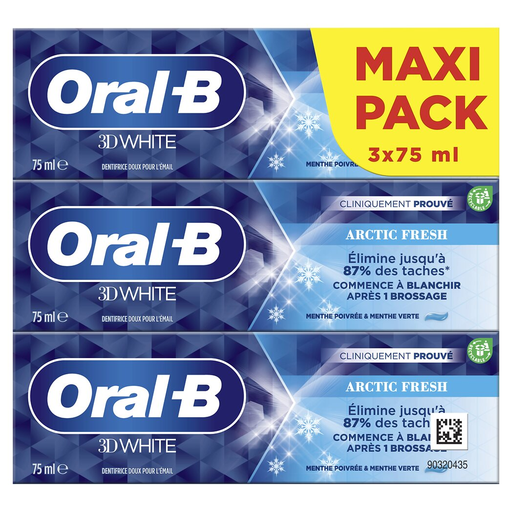
Why It Stands Out This toothpaste from Oral-B specifically targets the removal of surface stains. According to the manufacturer, its formula removes up to 87% of stains, and the whitening effect begins after the very first brush. The formula contains hydrated silica, a mild abrasive that helps polish teeth without damaging the enamel.
Benefits
Who Is It For? For users who want to combine a fresh taste with an effective solution for stains from food and drink, and who like to keep their bathroom cabinet stocked.
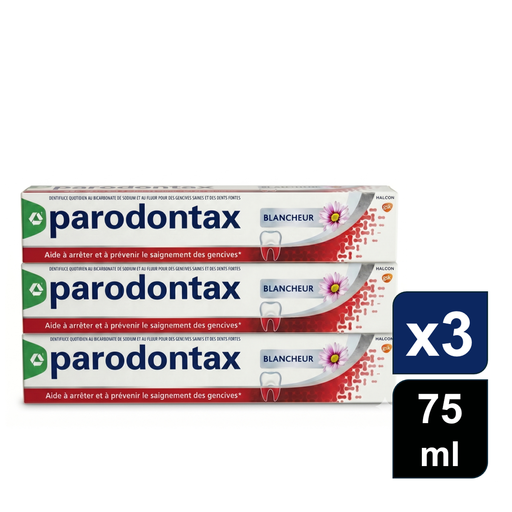
Why It Stands OutParodontax is renowned for its focus on gum care. This Whitening version combines that core benefit with a whitening function. The formula is specially designed to help prevent and stop bleeding gums. At the same time, it helps restore the natural whiteness of your teeth by removing stains.
Benefits
Who Is It For? Ideal for those who regularly suffer from sensitive or bleeding gums but also want to tackle surface stains.
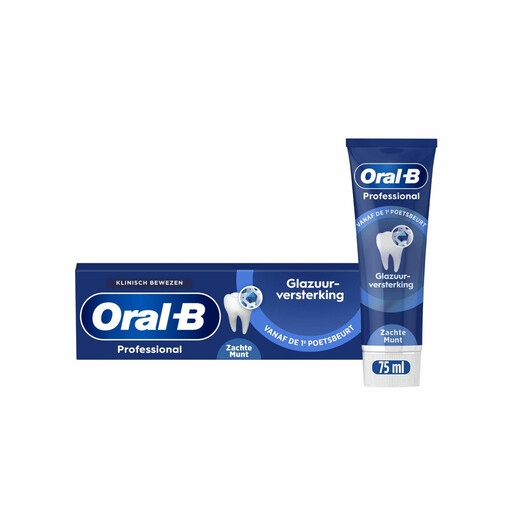
Why It Stands Out This toothpaste is specifically designed for enamel repair and strengthening tooth density. According to the manufacturer, the formula actively helps to restore enamel. This is achieved through a stannous fluoride complex, which creates a protective layer on the teeth to prevent mineral loss.
Benefits
Who Is It For? For anyone with sensitive enamel or those who want to proactively maintain tooth strength and protect against wear.
Everyone's oral care needs are unique. If the options above don't quite match what you're looking for, or if you're simply curious about other brands and varieties, there's plenty more to discover.
For a broader overview of different types and brands, browse our full range of toothpastes.
There's no fixed rule for how often you should switch. If you've found a toothpaste that works well for your teeth and meets your needs, there's no reason to change. However, if your situation changes (e.g., increased sensitivity or a desire for whiter teeth), it might be a good time to consider a different variety.
A whitening toothpaste works by removing surface stains using mild polishing agents. It does not change the intrinsic colour of your teeth. A professional whitening treatment from a dentist or dental hygienist uses active ingredients (like hydrogen peroxide) to actually lighten your teeth by several shades. A whitening toothpaste is primarily suited for maintaining your tooth colour and removing new stains.
Dentists and dental hygienists in the Netherlands generally recommend using toothpaste with fluoride. Fluoride is a mineral that is proven to be effective at strengthening tooth enamel and significantly reducing the risk of cavities. It makes the enamel more resistant to acid attacks from bacteria and food.
