
Vandaag of morgen in huis

Kwaliteit gegarandeerd

Welkomstaanbiedingen ontgrendelen: GRATIS bezorging | Tot 80% korting | Gratis 30 dagen JoyPlus-proefperiode
Download de app
A tube of toothpaste might seem like a simple purchase, but the options vary widely in fluoride content, intended use, flavour, size and age recommendation. If you rely solely on eye-catching packaging or a promise like “whitening”, you could easily pick a product that doesn’t suit your daily routine.
These pointers will help adults and families in the Netherlands compare toothpaste more purposefully.
Whitening toothpaste typically targets surface stains caused by things like coffee, tea or coloured foods. That’s different from changing your natural tooth colour. Product claims about stain removal should therefore be taken in context.
According to Oral-B’s product information, the 3D White Arctic Fresh variant removes up to 87% of surface stains. This is a claim from the product description and not a guarantee of the same result for every user. If you have sensitive enamel, it’s worth checking the warnings and ingredients too.
A toothpaste multipack can be handy for a family, but first check:
For example, three 75 ml tubes might look appealing, but a single 100 ml tube could work out better value per millilitre. So compare the total volume rather than just the pack price.
Age recommendations and fluoride information vary from product to product. Some variants are designed for adults or children from a certain age. Warnings about swallowing and supervision during brushing can also differ.
Always read the label on your chosen toothpaste. If you’re unsure about fluoride from multiple sources, irritation or persistent sensitivity, it’s wise to speak to a dentist or doctor.
For daily oral care, many adults choose fluoride toothpaste. The range includes variants with 1450 ppm fluoride, such as Oral-B 3D White Arctic Fresh, Colgate Max White Purple Reveal, elmex Anti-Cavity and Aquafresh Triple Protection. Parodontax Extra Fresh lists 1400 ppm fluoride.
Don’t just look for the word “fluoride” – check the exact concentration and the recommended use. A product with fluoride is not a substitute for professional dental care and should not be swallowed.
The most common pack sizes available are 75 ml or 100 ml. A family might benefit from a multipack, while someone trying a variant for the first time is better off starting with a single tube.
Also check ingredients such as sodium fluoride, sodium monofluorophosphate, stannous fluoride, silica and flavourings. If you know you’re sensitive to certain ingredients, it’s wise to check the full packaging. The information on the product page should be supplemented with the label on the pack you receive.
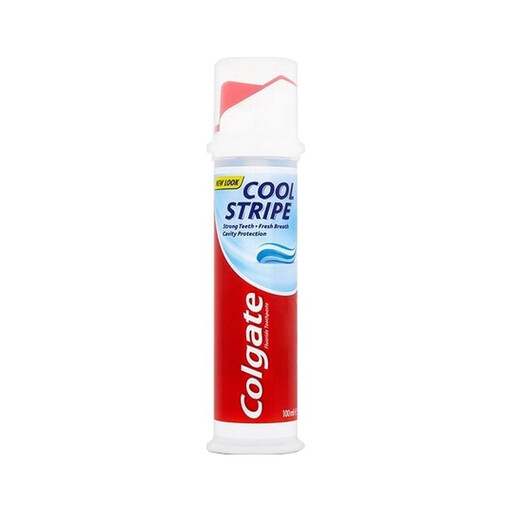
Why this suits the profile: A single 100 ml tube is straightforward for anyone wanting to try a daily toothpaste without buying multiple tubes straight away.
The 100 ml volume is clearly stated, so you can easily compare the price with multipacks.
Cool Stripe flavour, 100 ml volume and, according to the product information, aimed at fresh breath and daily oral care.
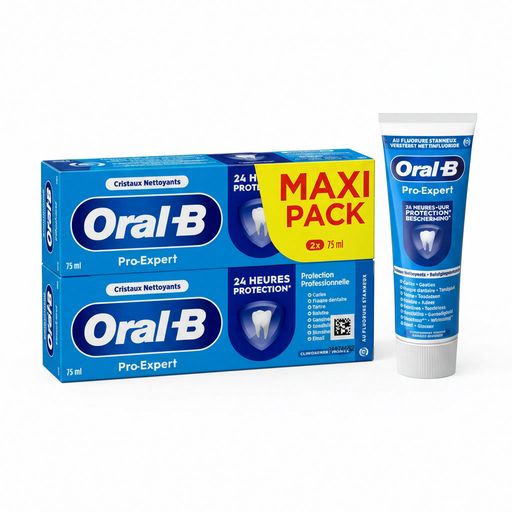
Why this suits the profile: Ideal for anyone who wants to combine several daily oral care concerns in one formula, such as plaque, enamel, sensitivity and breath.
The pack clearly states the exact size of 2 x 75 ml. According to the product description, the formula contains a stannous fluoride complex; check the label when you receive it.
Two 75 ml tubes with a fresh mint variant. The manufacturer positions this product for protection across eight areas of oral care.
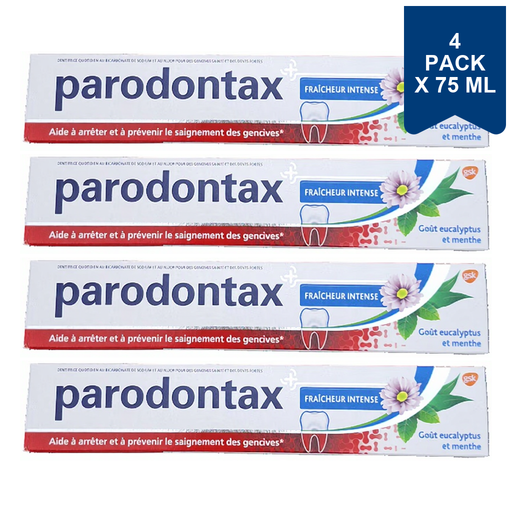
Why this suits the profile: A four-pack suits regular use and households where toothpaste is used up quickly.
The purpose is clearly described: gum-focused daily care. According to the product information, the formula contains 1400 ppm fluoride and sodium bicarbonate.
Four 75 ml tubes, Extra Fresh flavour and a formula that the manufacturer says is designed for plaque removal and gum care.
We’ve put together a full, up-to-date list of products that fully meet these strict selection criteria and comply with current European safety regulations.
That depends on your age, preference and oral care goals. For many adults, a fluoride toothpaste with a clearly stated fluoride content is a practical choice. If you suffer from sensitivity, stains or gum problems, you can look at a variant designed for that purpose. Use the toothpaste according to the label and do not swallow it.
Check the expiry or best-before date on the packaging. Some products also show a symbol for the period of use after opening, for example 6 months. Store toothpaste in a dry, cool place with the cap tightly closed. If the smell, colour or texture changes, it’s best not to use the tube any more.
Not always. Divide the price by the total number of millilitres and compare that with individual tubes. A multipack is mainly practical if you already know the variant and will use the full contents within the expiry period. For a first purchase, a single tube can mean a lower risk.
