
Vandaag of morgen in huis

Kwaliteit gegarandeerd

Welkomstaanbiedingen ontgrendelen: GRATIS bezorging | Tot 80% korting | Gratis 30 dagen JoyPlus-proefperiode
Download de app
A toothbrush and water flosser can complement each other, but not every model is right for every user. An electric toothbrush, for example, requires a suitable brush head and a reliable battery. With a water flosser, water pressure, tank capacity and ease of cleaning the attachments are more important than a long list of settings.
Many buyers focus mainly on a high vibration frequency, a large number of modes or an eye-catching design. This can be useful information, but it does not automatically say anything about ease of use or suitability for sensitive teeth, braces or travel. These checks can help you avoid making the wrong purchase.
A manufacturer may highlight a large number of movements per minute or high water pressure. More is not necessarily more comfortable for everyone. If you have sensitive gums, you may prefer to start with a gentle setting and increase it gradually. So check whether an electric toothbrush offers several intensity levels and whether a water flosser has a gentle mode.
Claims about cleaning results should still be viewed as brand claims. According to Oral-B’s own information, Oral-B iO technology provides a thorough clean; the product description also states that the model has a pressure sensor and three intensity levels. These are verifiable features, but personal experience may vary.
A medium or hard manual toothbrush is not automatically suitable for everyday use. If you have sensitive gums, a soft brush head may feel more comfortable. When choosing a children’s toothbrush, also check the recommended age, the size of the head and whether supervision is required.
As a general rule, replace a brush head or manual toothbrush according to the packaging instructions, or as soon as the bristles show visible signs of wear. Several models in the range specify approximately three months. This makes a toothbrush multipack practical, but always check the exact variant and pack contents.
A cordless water flosser is convenient when you are out and about, but a compact tank may mean refilling it more often. A larger reservoir is useful at home, but takes up more space in a wash bag. Also check how the tank and nozzles are cleaned. Residual water or hard-to-reach corners can make maintenance unnecessarily difficult.
These features are practical for everyday use:
Various Oral-B electric toothbrush models use a round brush head with rotating or pulsing movements. A Philips Sonicare toothbrush works with rapid vibrating movements. The choice mainly depends on your preferences, grip, noise level, available modes and the cost of replacement brush heads.
When choosing a water flosser, the following details are particularly relevant:
Use a gentle technique when cleaning between your teeth. Do not direct the jet towards your eyes, ears or nose, and start on the lowest setting if you have sensitive teeth or gums. Persistent irritation, bleeding or pain is a reason to stop using the device and consult a dentist.
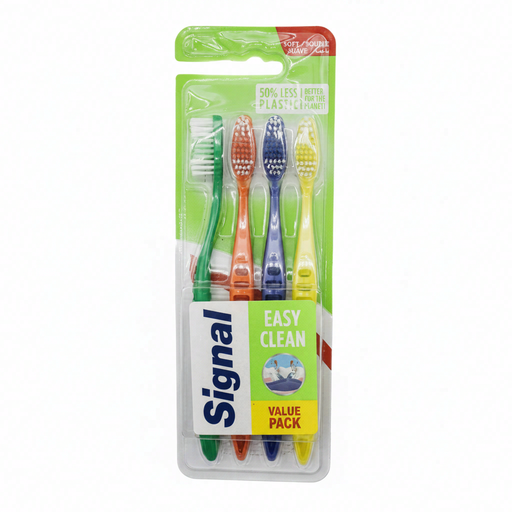
Why it suits this profile: A manual toothbrush is simple to use, does not need a charger and the pack contains four brushes. This is practical for families or as a household запас.
The specifications state medium firmness and nylon bristles. You therefore know what you are buying in advance, without paying for features you do not need.
Four brushes per pack; ergonomic handle according to the product description; no battery or charging station required.
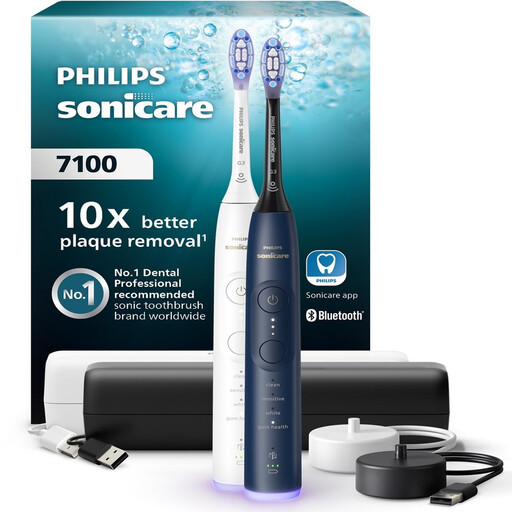
Why it suits this profile: The twin pack with two handles and a travel case is ideal for partners who want to use the same product range at home or while travelling.
The listed features are specific: four modes, three intensities, a pressure sensor, a timer and two handles. Before buying, however, check the current contents and app compatibility.
Two electric toothbrushes; four brushing modes; travel case and pressure warning according to the product information.
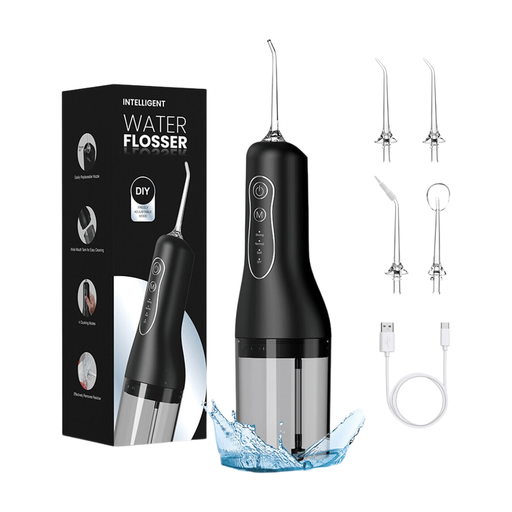
Why it suits this profile: This portable water flosser is designed for users who want to combine interdental cleaning at home and while travelling with a compact format.
According to the specifications, the pressure can be adjusted from 60 to 140 PSI and there is a gentle mode. This means you can start lower rather than using the highest setting straight away.
Four modes; removable 260 ml tank; USB-C charging; three types of nozzle according to the product description.
We have put together a complete, up-to-date list of products that fully meet these strict selection criteria and the applicable European safety regulations.
Yes, they serve different purposes in your daily routine. A toothbrush cleans the surfaces of your teeth. A water flosser directs a jet of water between your teeth and along the gumline. Use both gently and according to the instructions. A water flosser does not replace brushing.
This varies by manufacturer and usage. Many product descriptions recommend replacing a brush head approximately every three months, or sooner if the bristles have become misshapen. Check water flosser nozzles for signs of wear and clean them regularly. Refer to the packaging or instruction manual for the exact replacement interval.
A cordless water flosser is often practical for travelling because of its compact size and built-in battery. Pay attention to the tank capacity, charging cable, charging time and water resistance. Empty the tank after use and allow the parts to dry before storing the device. This helps ensure that portability does not come at the expense of hygiene and maintenance.
