Which option is right for you?

Student with a USB charging base but no adapter

Wants to use the existing charging base, designed for the toothbrush, with a wall socket. The plug type and the instructions for the toothbrush model determine which adapter is suitable. Philips describes the CP1714/01 as a USB-A adapter for a Sonicare toothbrush with a USB-A cable.

Student with limited sockets

Wants to charge a toothbrush and a second device using one wall adapter. Check the port types and output per port, as Belkin lists for its different models.

Student without a charging base

Needs a replacement charging base that’s compatible with the exact toothbrush model, not just a USB wall adapter. Philips warns that not all Sonicare chargers are compatible with one another.

What should you look for when buying?

Single-port USB wall adapter

Choose this option if: you already have the right charging base or USB cable and just need to connect it to a wall socket.

Bear in mind: there’s no extra port for a second device.

Multi-port USB wall adapter

Choose this option if: you want to connect a suitable toothbrush cable and a second device to one wall socket.

Bear in mind: check the connector type and stated output for each port; the total power rating doesn’t mean the toothbrush will charge faster.

Model-specific replacement charging base

Choose this option if: the charging base is missing or faulty.

Bear in mind: check the toothbrush’s full model number; a standalone USB wall adapter won’t replace the charging base.

What to consider What should you check? Who should consider this?
Compatible connection and charging base Check the toothbrush model, its specified charging method and the cable connector type. If you’re buying a replacement charging base, check compatibility against the full model number. If I first want to find out whether my existing cable is suitable or whether I’m missing a charging base, I’ll start with the exact model. Around 40% of consumers prioritise connection type or model compatibility.
Sharing a socket Check whether you need USB-A, USB-C or both, and check the output per port. If I want to charge a second device at the same time, the available ports and their connections matter. Around 23% of consumers say sharing one socket is their main priority.
Safe placement Check for the applicable CE marking and read the instructions. Charge in a clear, dry space; don’t use a damaged cable. If I’m using a charger in a small room, I want to place it somewhere dry where heat can escape. Around 23% of consumers prioritise safe purchasing and placement.
Avoiding unnecessary features Work out which part is missing and whether you need an extra port. Also check whether you already have the cable or charging base you need. If I mainly want to avoid paying for features I won’t use, I’ll first check what I already have and what’s missing. Around 14% of consumers want to avoid unnecessary spending.

Common buying mistakes

  • Buying a USB wall adapter when the charging base is missing

    If your toothbrush sits on a separate charging base, the adapter only powers that base. If the base is missing, a new wall adapter won’t replace the missing part.

    Check which parts you already have. If the base is missing, search using the full toothbrush model number.

  • Assuming all Sonicare charging accessories are interchangeable

    Philips says that not all Sonicare chargers are compatible. So, knowing that an accessory is from the same brand isn’t enough to tell you whether a replacement charging base will fit.

    Compare the compatibility information with the model number of your toothbrush.

  • Confusing total wattage with the toothbrush’s charging speed

    The stated output can vary from one port to another. Belkin’s power specifications don’t measure how quickly a toothbrush will charge.

    Choose an adapter with the right port and follow the charging instructions. Only consider extra power if you plan to charge a second device with it.

Brands to consider

Philips Sonicare

Model-specific accessories, including a USB-A wall adapter and charging stations for certain Sonicare models.

  • Philips describes the CP1714/01 as a USB-A adapter for a Sonicare toothbrush with a USB-A cable.
  • Philips warns that not all Sonicare chargers are compatible with one another. Check the full toothbrush model number.

Belkin

USB wall adapters with one or more ports for anyone who wants to use an existing, compatible charging cable.

  • Belkin lists two USB-A ports, each delivering up to 12 W, for the WCB002vfWH. For the WCB009vfWH, Belkin lists one USB-A port delivering up to 12 W and one USB-C port delivering up to 30 W.
  • These ports don’t replace a model-specific charging base. Check that your toothbrush’s cable and charging method are compatible with the adapter.

Baseus

A general-purpose multi-port USB adapter may be useful if you want to charge several devices from one socket.

  • Joybuy Netherlands describes a Baseus wall adapter with three USB-A ports and 17 W.
  • Before choosing the adapter, check the port specifications, the full model number and your toothbrush’s charging requirements.

USB wall adapters at Joybuy

These product options are multi-port USB wall adapters with a USB-A port. They’re intended for anyone who wants to use a compatible USB-A charging cable and may also want to connect a second device to the same socket. Check that your toothbrush supports this charging method; an adapter won’t replace a missing charging base.
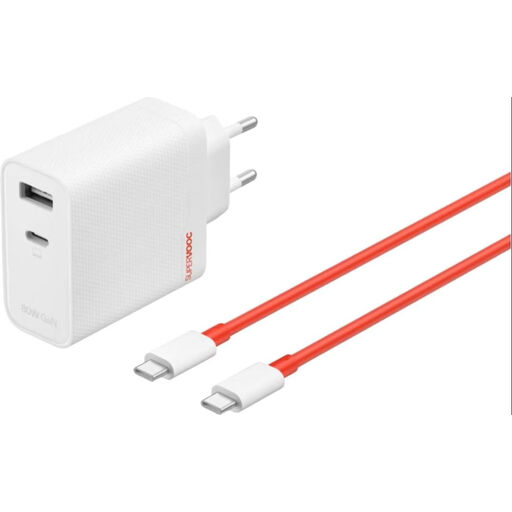
OnePlus 80W Dual Ports SUPERVOOC adapter, USB-A and USB-C, white

OnePlus 80W Dual Ports SUPERVOOC Adapter, USB-A and USB-C, white

The USB-A port may work with an existing USB-A charging cable if your toothbrush supports this charging method. The adapter won’t replace a separate charging base.

Connections: USB-A and USB-C. Stated total power: 80 W.

View at Joybuy
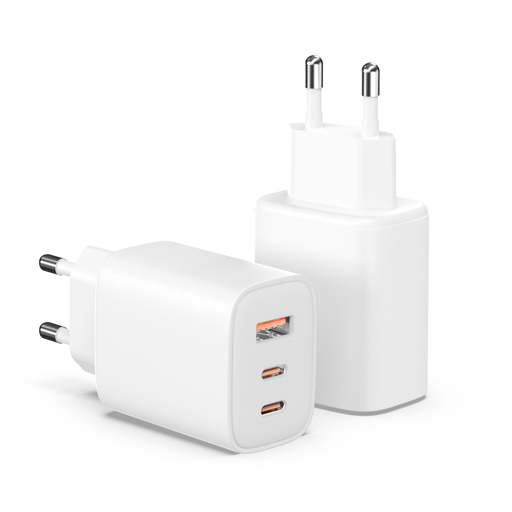
65 W USB wall charger with two USB-C ports and one USB-A port

65W USB wall charger with 2 USB-C ports and USB-A

The USB-A port may work with an existing USB-A charging cable if your toothbrush supports this charging method. This description doesn’t include a separate charging base, and the adapter won’t replace one.

Connections according to the product title: two USB-C ports and one USB-A port. Stated power: 65 W.

View at Joybuy
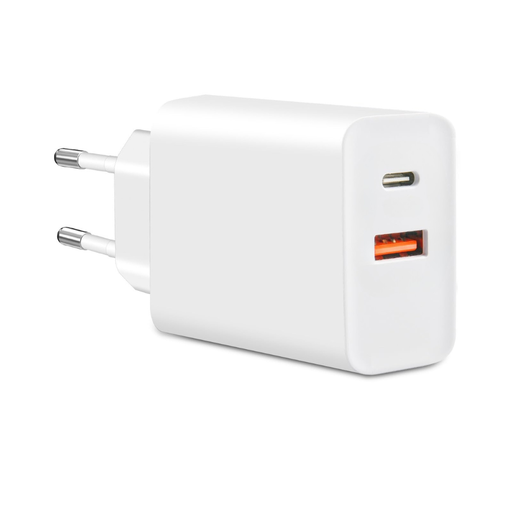
30 W USB wall charger with USB-A and USB-C ports

30W USB wall charger with USB-A and USB-C

The USB-A port may work with an existing USB-A charging cable if your toothbrush supports this charging method. Check the specified charging method for your model; the adapter won’t replace a separate charging base.

Connections: USB-A and USB-C. Stated power: 30 W.

View at Joybuy
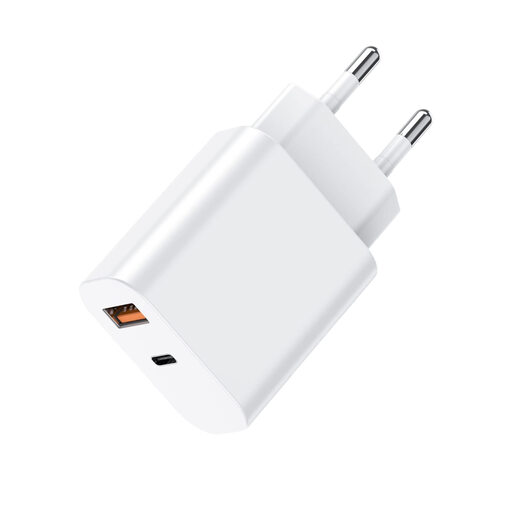
20 W USB wall charger with USB-A and USB-C ports

20W USB wall charger with USB-A and USB-C

The USB-A port may work with an existing USB-A charging cable if your toothbrush supports this charging method. If your model needs a charging base, you’ll need to keep or buy a compatible one separately.

Connections: USB-A and USB-C. Stated power: 20 W.

View at Joybuy
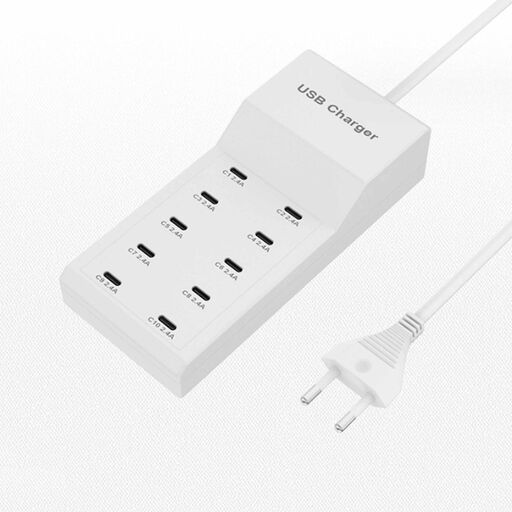
10-port USB multi-charger with USB-A and USB-C connections

10-port USB multi-charger

This multi-charger may be useful if you want to charge several devices in one place. Check that the USB-A connection suits your toothbrush cable and whether your model needs a separate charging base.

The product title lists 10 ports and USB-A and USB-C connections.

View at Joybuy

Frequently asked questions

Can I plug my toothbrush straight into any USB charger?

Not if your toothbrush charges using a separate charging base. First check which charging base or cable is designed for your exact model, then choose an adapter with the right USB connection. Philips warns that not all Sonicare chargers are compatible with one another.

Where can I safely put the charger in my student room?

Place the charger in a clear space where heat can escape, and don’t charge it under a pillow or duvet. Don’t use a damaged cable and keep charging equipment dry. The Fire Service advises keeping chargers clear and warns against using damaged cables.

Does a mains-powered USB adapter need a CE mark?

A mains-powered adapter covered by the relevant EU Low Voltage Directive must carry the required CE mark. The directive applies to electrical equipment designed for 50–1,000 V AC. A CE mark doesn’t tell you whether a charging base is compatible with your toothbrush.

Do EU common charger rules also apply to electric toothbrushes?

The current list of devices covered by the common USB-C charging rules doesn’t include electric toothbrushes. The European Commission says that new requirements for external power supplies will apply from 14 December 2028, and lists an exemption from the standard USB-C port requirement for certain power supplies for electric toothbrushes. This future date isn’t a buying rule for October 2026.

What can I do if a newly bought adapter doesn’t work properly?

Contact the seller. According to the Dutch government, there’s no set general statutory guarantee period in the Netherlands because products don’t all last the same length of time; a manufacturer’s guarantee is in addition to your statutory rights.
