
Vandaag of morgen in huis

Kwaliteit gegarandeerd

Welkomstaanbiedingen ontgrendelen: GRATIS bezorging | Tot 80% korting | Gratis 30 dagen JoyPlus-proefperiode
Download de app
A toothbrush may seem simple to choose, but there are big differences between models. Consider whether you prefer manual or electric brushing, soft or medium bristles, a compact head, a pressure sensor and the cost of replacement brush heads. If you focus only on the brand, a discount or an impressive number of brushing modes, you could end up buying a toothbrush that isn’t comfortable to use.
So, keep an eye out for these three common pitfalls:
A soft toothbrush is a practical choice if you prefer to brush gently or are sensitive to pressure. A medium toothbrush may suit adults and teenagers who are used to brushing manually, as long as they don’t press too hard.
Always check the information on the packaging. The bristles, shape and handle all affect how a toothbrush feels. A rounded brush head can make it easier to brush along the gumline, while a slim head can reach awkward areas more easily.
A manual toothbrush is lightweight, quiet and ready to use straight away. You don’t need a charger, and a multipack is handy for several people or as a spare supply. For example, the Jordan Total Clean Medium comes as a pack of four and has multifunctional bristles and a tongue cleaner on the back.
An electric toothbrush does some of the brushing motion for you. Check the available modes, battery life, timer and any pressure sensor. A sonic toothbrush uses rapid vibrations, while rotating models move the brush head differently. No feature can replace gentle brushing and regularly replacing the brush head.
A children’s toothbrush should suit the child’s age, hand size and coordination. According to the product information, the Oral-B Pro Kids Spider-Man is suitable from age 3 and comes with extra-soft Sensitive Clean bristles, a timer and a visible pressure sensor. Always supervise young children and check the age guidance.
For adults, an adult toothbrush with a travel case can be handy. If you want to clean between your teeth, a regular toothbrush may not be enough. An interdental toothbrush or interdental brush set is designed for cleaning between the teeth. Choosing the right size matters: never force an interdental brush into place.
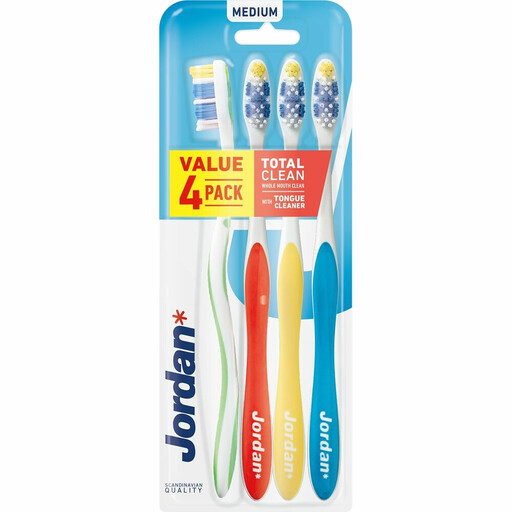
Why it suits this profile: A multipack of manual toothbrushes is handy for keeping spares, sharing with a household or taking on a trip. The medium version is simple to use and doesn’t need a charger or accessories.
The product information mentions multifunctional bristles and a tongue cleaner. Check that medium firmness suits your brushing style, and avoid applying too much pressure.
Four toothbrushes per pack, a tongue cleaner on the back, and suitable for teeth and gums according to the product description.
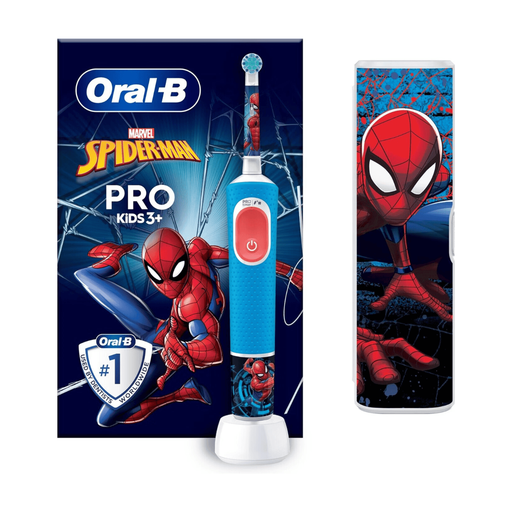
Why it suits this profile: Children aged 3 and over may benefit from a familiar design, a timer and guidance while brushing.
The extra-soft brush head and visible pressure sensor make it easier to keep an eye on brushing pressure. Adult supervision is still needed.
A 2-minute timer with 30-second intervals, a Sensitive Clean brush head and up to 8 days of battery life according to the product details.
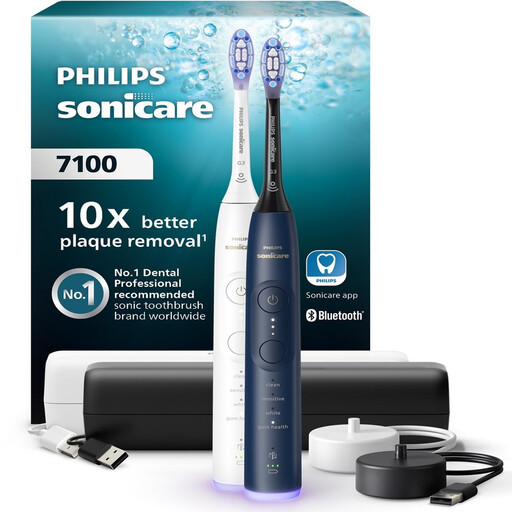
Why it suits this profile: This duo pack is aimed at adults who value multiple modes, two handles and a travel case.
The pressure sensor alerts you if you press too hard. The product information lists four brushing modes and three intensity levels, so you can adjust the settings to suit your preferences.
Two handles, two brush heads, a travel case, BrushSync and compatibility with the Sonicare app according to the product description.
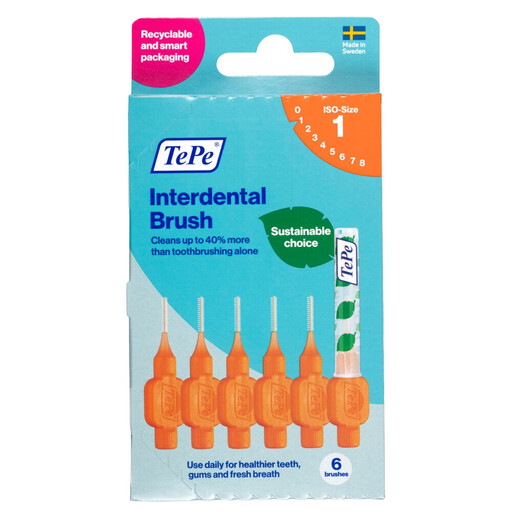
Why it suits this profile: For anyone who wants to clean between their teeth as well as using a regular toothbrush.
The 0.45 mm diameter is clearly stated. This lets you compare the size with the spaces between your teeth instead of relying on a general claim.
Six brushes, plastic-coated wire and a flexible wire according to the product information. Insert the brush gently and don’t force it.
We’ve put together a complete, up-to-date list of products that meet these strict selection criteria and the applicable European safety requirements.
Replace a manual toothbrush or brush head roughly every three months, or sooner if the bristles are bent, worn or damaged. If you’re unsure, follow the instructions on the packaging. An electric toothbrush may last longer, but its brush head needs replacing separately.
It depends on the purchase price, battery life and the cost of replacement brush heads. A manual toothbrush doesn’t need a charging station and is often easy to buy in a multipack. With an electric toothbrush, you may pay more for features such as a timer, multiple modes or a pressure sensor. So compare the total cost over the period you expect to use it.
Look for a soft brush head, a low intensity setting and a pressure sensor if you prefer to brush electrically. According to the product information, the Oral-B iO Series 2 has three modes, including Sensitive and Gentle Mode, as well as a light signal that alerts you to brushing pressure. If sensitivity or irritation persists, ask a dentist or dental hygienist for advice.
