
Vandaag of morgen in huis

Kwaliteit gegarandeerd

Welkomstaanbiedingen ontgrendelen: GRATIS bezorging | Tot 80% korting | Gratis 30 dagen JoyPlus-proefperiode
Download de app
A toothbrush may seem like a simple product, but the range varies considerably in bristle firmness, brush head, handle, packaging, and power source. Anyone who focuses only on the brand name or an appealing package may end up with a brush that feels uncomfortable, is difficult to use effectively, or remains unused in the bathroom.
This buying guide helps you choose a suitable toothbrush for everyday use, sensitive teeth, families, dentures, or additional cleaning between the teeth.
A firm or medium toothbrush may feel more powerful, but applying more pressure does not automatically result in better cleaning. Excessive force can feel uncomfortable and damage the bristles more quickly. For many people, a soft toothbrush is a practical choice for everyday use, particularly if brushing causes sensitivity.
A medium toothbrush may suit someone who deliberately prefers this firmness and uses a controlled brushing technique. The right choice depends on your preferences, oral health, and any advice from your dentist.
An electric toothbrush with multiple modes, timers, and pressure alerts can be useful. However, you may sometimes pay for features that do not suit your routine. Check whether the set actually includes the accessories you need, such as a charging station, replacement brush head, or travel case.
With an electric toothbrush, you also need to factor in replacement brush heads and charging. A manual toothbrush does not have these recurring costs.
A 3-pack or 6-pack of toothbrushes may seem cost-effective, but always check the number of brushes, firmness, and model. A 2-pack may be sufficient for one person if you replace the brush regularly. Larger packs may be more practical for a family.
Also pay attention to product warnings. Many models are not suitable for children under three and should not be used with excessive pressure.
First check whether the product is soft, medium, or firm. A soft toothbrush is generally designed for comfortable everyday brushing. A medium toothbrush has firmer bristles and may suit adults who prefer this type.
Also consider:
Claims about cleaning performance or comfort come from product descriptions. When a brand states, for example, that a design removes plaque more effectively, you should treat this as that brand’s claim rather than a universally established result.
A manual toothbrush is simple, quiet, and ready to use straight away. There is no battery to charge, and it is easy to keep a spare brush on hand. An electric toothbrush often includes a timer, different brushing modes, or a pressure sensor. These features can be useful if you want additional support with your brushing routine.
According to the manufacturer, the Philips Sonicare DiamondClean 9000 + Power Flosser set includes four brushing modes, a two-minute timer, a pressure sensor, and a rechargeable lithium-ion battery. The product description also mentions a 250 ml water reservoir and an included travel case. Before purchasing, check that these features suit your everyday use and that replacement parts are available.
Replace a toothbrush after approximately three months, or sooner if the bristles begin to splay. Some product packaging recommends a similar replacement interval. Rinse the brush thoroughly after use, leave it to dry upright, and do not share it with others.
An interdental brush is not the same as a regular toothbrush. Its narrow shape is designed for specific spaces between the teeth and along the gumline. Do not apply force if the head does not fit easily.
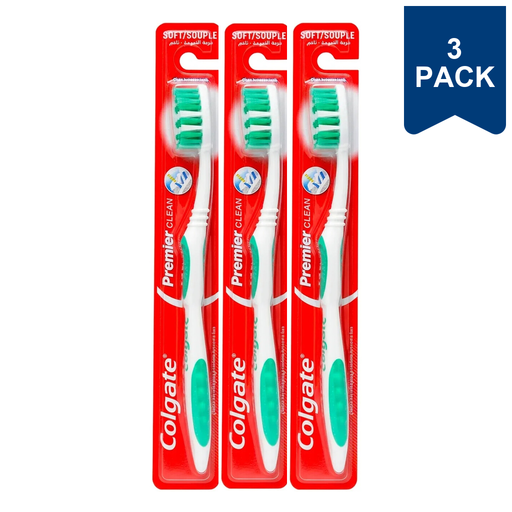
Why This Fits Their Persona: A practical set for everyday use at home, with no charging station or batteries required. The three soft brushes are convenient for keeping a spare or sharing among several household members.
The packaging clearly states that these are soft models. You do not need to rely on a vague claim about powerful cleaning performance.
Soft nylon bristles, a lightweight design, and three brushes per pack. The product description also mentions a tongue scraper.
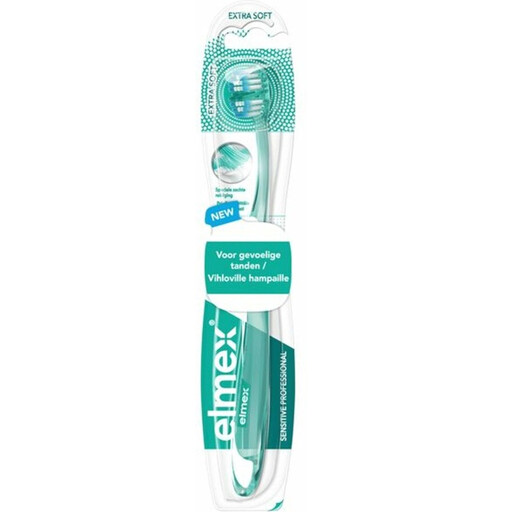
Why This Fits Their Persona: This toothbrush is designed for anyone looking for a model suitable for sensitive teeth and who prefers brushing with gentle, circular movements.
The usage instructions emphasise gentle movements and replacement when the bristles are worn or splayed. This helps prevent overly vigorous brushing.
Available individually, with clear instructions for use and storage. Suitable for anyone who does not need electric features.
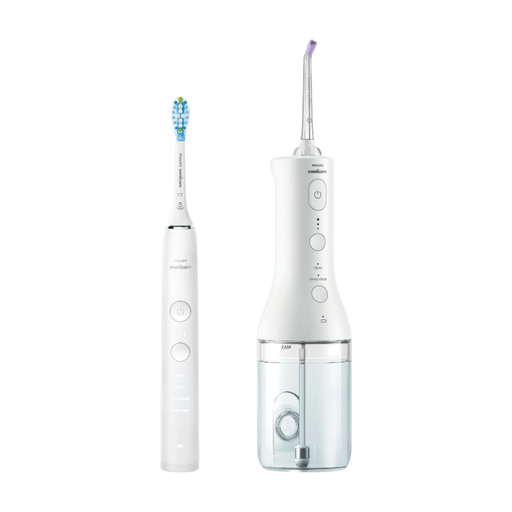
Why This Fits Their Persona: A complete set for anyone who wants to combine an electric brushing routine with a water flosser and multiple brushing modes.
The listed specifications make it clear what you receive: four modes, a pressure sensor, a timer, one C3 brush head, and a 250 ml water reservoir.
Rechargeable battery, travel case, and included Power Flosser. The stated performance claims come from Philips’ product information.
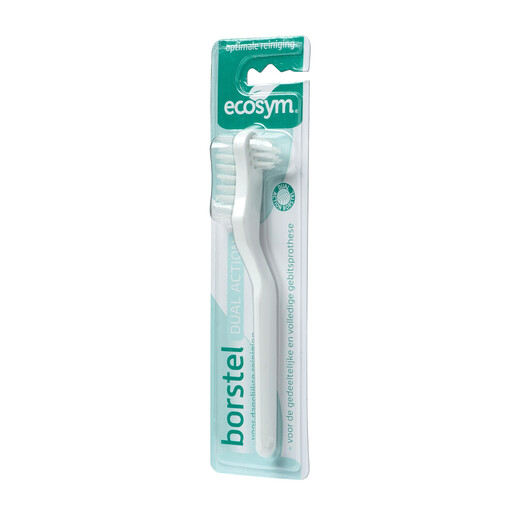
Why This Fits Their Persona: Designed for the everyday cleaning of full and partial dentures, separately from a regular toothbrush.
This is a denture brush with a long handle and firm bristles for small gaps. The instructions recommend using lukewarm water and avoiding regular toothpaste.
Long handle for a secure grip and a brush shape designed for full and partial dentures. Use it according to the included instructions.
Explore a current selection of brushes and compare type, intended use, and product specifications before ordering.
Brands such as Colgate toothbrush, Oral-B toothbrush, Elmex toothbrush, and Jordan toothbrush offer different firmness levels and designs. Compare the specific model rather than relying on the brand name alone. A Colgate model, for example, may be soft, while another Colgate variant may have medium bristles.
Typically replace a toothbrush every three months, or sooner if the bristles are worn, loose, or splayed. With an electric toothbrush, this usually applies to the replacement brush head. Always check the packaging, as instructions may vary by model.
For many people, a soft toothbrush is a practical choice for everyday brushing. Use gentle movements and avoid applying excessive pressure. If sensitivity persists or you are unsure which firmness is right for you, ask your dentist for advice.
The purchase price is often higher than that of a manual toothbrush. You also need to account for electricity and replacement brush heads. A manual toothbrush has no charging costs, but it still needs to be replaced regularly. Compare both the purchase price and the cost of consumable parts.
