
Vandaag of morgen in huis

Kwaliteit gegarandeerd

Welkomstaanbiedingen ontgrendelen: GRATIS bezorging | Tot 80% korting | Gratis 30 dagen JoyPlus-proefperiode
Download de app
Buying a new toothbrush might seem straightforward, until you have to choose between soft or medium bristles, a manual toothbrush or an electric toothbrush, a single pack or a toothbrush 2-pack. Marketing copy sometimes promises a deeper clean, whiter teeth or extra care for your gums. Such claims don't automatically apply to everyone.
As a Joybuy Product Recommendation Officer, I therefore focus on verifiable details: the type of bristles, the size of the brush head, the included components, the lifespan and the target audience.
Firm bristles might seem appealing if you want to remove a lot of plaque. However, too much pressure can be uncomfortable and cause the bristles to wear out more quickly. For daily use, many people therefore opt for a soft toothbrush or a medium variant. If you have sensitive gums, it's wise to look for a soft brush head and gentle brushing technique.
Also pay attention to the wording. If it only says "gentle" or "deep clean", that doesn't tell you much without information about the hardness, shape and length of the bristles.
A timer, pressure sensor, multiple brushing modes and a travel case can be handy, but they usually also increase the price. So check whether the features actually suit your needs. A timer is practical if you struggle to brush for long enough. A pressure sensor can be useful if you often brush too hard.
Also look at the charging method, battery life, cost of replacement brush heads and what's included in the box. A cheap device can work out more expensive in the long run if the replacement heads are hard to find.
A toothbrush 3-pack or toothbrush 2-pack is convenient for families, stocking up or travelling. But do check that all the brushes have the same hardness and are suitable for the same age group. A children's toothbrush isn't automatically suitable for adults, and vice versa.
Replace a toothbrush according to the product information, usually after about three months or sooner if the bristles become bent or frayed.
The most important choice is the hardness:
A compact, possibly tapered brush head can help you reach back molars and difficult-to-access spots. Also check that the handle feels comfortable in your hand. An ergonomic design is especially relevant if you brush for a long time every day.
A manual toothbrush is simple, affordable and ready to use straight away. With manual brushing, the movement, brushing time and pressure you apply are all important. An electric toothbrush takes over some of the movement and, on some models, has a toothbrush with timer, brushing modes or a pressure sensor.
According to the product description from Philips, the Sonicare 7100 series offers 62,000 movements per minute, four brushing modes, three intensities and a pressure sensor. These are product specifications; they don't guarantee a particular result for every user.
When choosing a toothbrush for adults, check the stated target audience. For children, the brush head, handle and bristle hardness are adapted to their age. The BANDAI set below is described as suitable for children aged 6 to 12. Electric models aren't automatically suitable for young children. Always follow the age and safety information on the packaging.
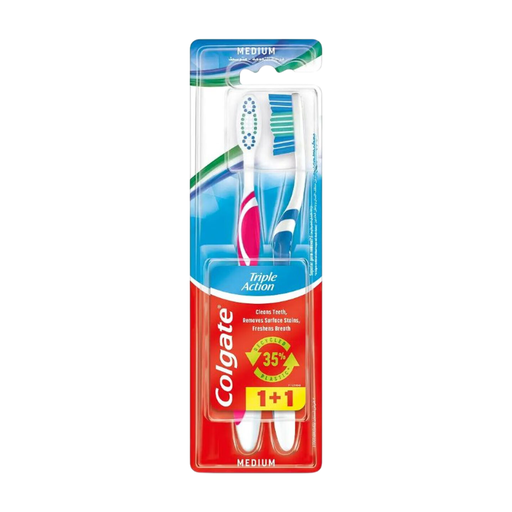
Why this fits the profile: A practical manual toothbrush set for anyone wanting two brushes without going straight for an electric model. The pack contains two brushes, making it useful for a household or as a spare.
The number of pieces and the brush construction are clearly described. According to the product description, the brush has double-angled bristles with cleaning tips. Use without excessive pressure.
2-pack, nylon bristles and a manual design with no charger or replacement electronic parts needed.
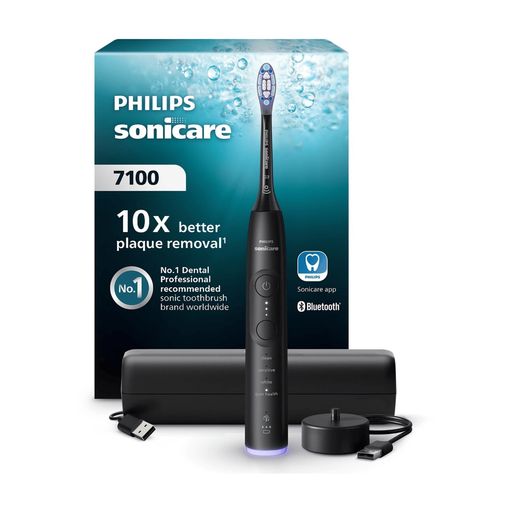
Why this fits the profile: For adults who want multiple settings, guidance while brushing and a toothbrush with travel case. The product information lists four brushing modes, three intensities and a pressure warning.
The key features are clearly stated: a timer, pressure sensor, replacement reminder for the brush head and multiple intensities. Check the cost of compatible replacement heads in advance.
62,000 movements per minute according to the product data, four brushing modes and an included travel case.
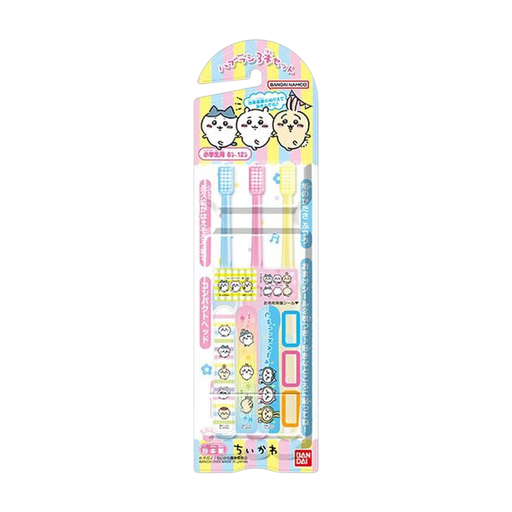
Why this fits the profile: A family with school-age children can keep several brushes in stock with this children's toothbrush 3-pack. According to the product description, they are intended for children aged 6 to 12.
The age range and number of pieces are clearly stated upfront. This prevents you from buying an adult medium toothbrush for a child who would be better suited to a smaller brush head.
3 brushes, soft bristles according to the product description and handles designed for children's hands.
For sensitive gums, a soft brush or a sensitive brushing mode can be a good choice. If you have persistent discomfort, pain or bleeding gums, it's wiser to seek advice from a dentist rather than just changing your toothbrush.
We've put together a full, up-to-date list of products that fully meet these strict selection criteria and comply with current European safety regulations.
Usually after about three months. Replace it sooner if the bristles are splayed, discoloured or damaged. With an electric toothbrush, this applies mainly to the brush head; the handle itself typically lasts longer according to the product information.
That depends on the model and how long you use it. An electric toothbrush needs electricity and new brush heads periodically. A manual toothbrush has no charging costs, but it also needs to be replaced regularly. So compare not just the purchase price, but also the cost of replacement parts.
A soft toothbrush or an electric toothbrush with a sensitive brushing mode can be a practical choice. Brush gently and without excessive pressure. Always check the product information and ask your dentist for advice if sensitivity persists.
