
Vandaag of morgen in huis

Kwaliteit gegarandeerd

Welkomstaanbiedingen ontgrendelen: GRATIS bezorging | Tot 80% korting | Gratis 30 dagen JoyPlus-proefperiode
Download de app
A drawer full of tools, but never the one bit you actually need. Or a screw that gets stripped by a cheap screwdriver. It's a familiar scenario. The market for toolsets is vast, and it's easy to fall for marketing gimmicks that leave you with a case full of useless metal.
As a Joybuy Product Recommendation Officer, I see the daily frustrations consumers face. Before you invest in a new toolset, it's crucial to recognise the most common pitfalls.
By paying attention to a few key points, you can ensure you buy a set that's worth the investment and actually makes your projects easier.
Don't focus on the number of pieces, but on the specifications that truly matter. These three points are crucial for choosing the right DIY tools set.
The durability of your tools, especially a screwdriver set or bit set, depends on the steel used. Many budget sets use standard carbon steel, which wears out quickly.
Always check the product information for mentions of S2 steel or Cr-V to ensure baseline quality.
The nature of the job determines the type of drive you need.
A good professional toolset isn't necessarily the largest, but the most relevant. Critically examine the contents. Does the set include the bits you actually need? For jobs around the house in most regions, these often are:
A compact set with high-quality PZ, T, and Hex bits is often more useful than a massive toolbox filled with exotic sizes.
Based on objective specifications, we've selected a few options that suit different user profiles.
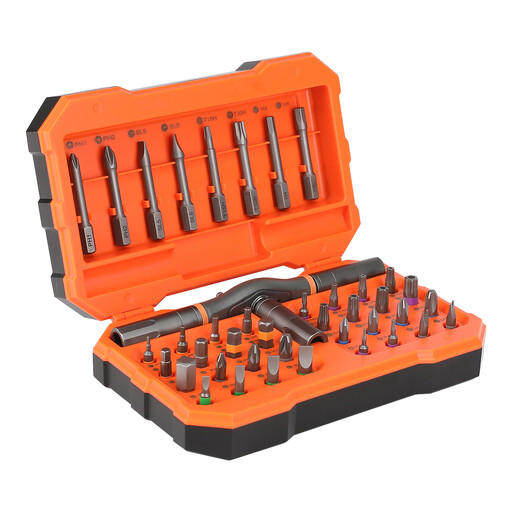
Why This Fits Their Persona: This set is ideal for anyone seeking a complete yet compact solution for household tasks. It's perfect for assembling furniture, repairing a bicycle, or tightening a loose doorbell.
Instead of a case filled with random parts, this set offers a curated selection of 40 bits, including extensions for awkward angles. The bits are made from S2 tool steel, avoiding the pitfall of soft, useless metal.
The multi-function ratchet handle works as both a screwdriver and a wrench. The magnetic holder and storage case keep everything neatly organised.
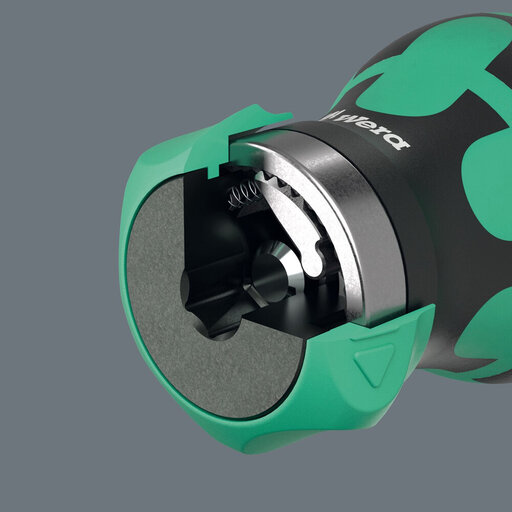
Why This Fits Their Persona: For those who tackle projects regularly and value ergonomics and durability. This compact tool from Wera is designed for precision and comfort, even in hard-to-reach places.
This is the antithesis of a cheap, clumsy set. The focus is on quality, not quantity. The Kraftform handle and fine-toothed ratchet are built for efficient, comfortable work, sidestepping the poor material quality trap.
Extremely compact ("Stubby") design for tight spaces. The integrated ratchet and in-handle bit magazine make it a highly efficient and practical tool.
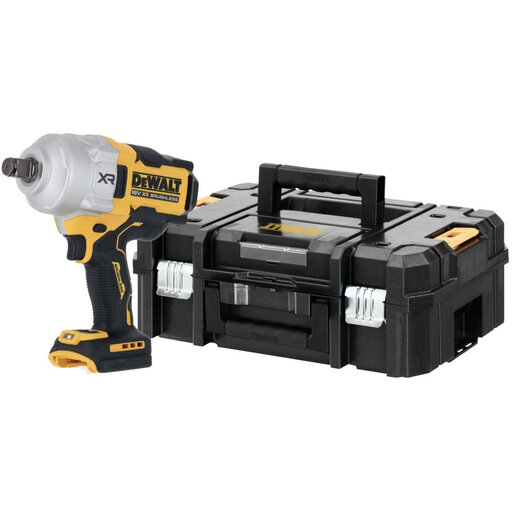
Why This Fits Their Persona: For the construction, automotive, or industrial professional who makes no compromises on power. This impact wrench is built for the toughest jobs.
This tool avoids the 'power mismatch' pitfall. Where a standard cordless screwdriver would fail, this machine delivers the necessary torque. According to the manufacturer, DeWalt, this model has a breakaway torque of 2584 Nm, which is essential for seized bolts.
The brushless motor delivers extreme power and a long service life. The adjustable speed and 'precision wrench' mode give the user optimal control, despite its immense power.
Not every job requires a complete set. Sometimes you just need a specific set of bits. We've compiled an up-to-date list of products that meet strict selection criteria.
Look closely at the head of the screw. The most common types are Phillips (PH), a simple cross-head, and Pozidriv (PZ), a cross-head with extra small indentations for more grip. Torx (T) is star-shaped. Using the wrong type (e.g., a PH bit in a PZ screw) will quickly lead to damage. A good bit set contains all these types in various sizes.
A cordless screwdriver is designed for driving screws with a relatively low, constant torque. An impact wrench delivers short, powerful rotational 'blows' (impacts) to generate very high torque. This is necessary to loosen stuck bolts and nuts, something a normal screwdriver isn't strong enough for.
Maintenance is simple but effective. Keep your tools clean and dry. Clean bits after use to prevent corrosion, especially if you've been working outdoors. Store everything in the provided toolbox or case. This not only protects against moisture and dirt but also ensures you don't lose anything.
