
Vandaag of morgen in huis

Kwaliteit gegarandeerd

Welkomstaanbiedingen ontgrendelen: GRATIS bezorging | Tot 80% korting | Gratis 30 dagen JoyPlus-proefperiode
Download de app
A tool set can often seem better value than buying individual tools. However, a large case may contain plenty of sizes you’ll never use, while leaving out the right bit, spanner or pair of pliers. So whether you’re a DIY enthusiast, hobbyist or professional, choosing a set isn’t just about the number of pieces.
The most common pitfalls when choosing tool sets are:
So first, think about what you’ll use the set for. A compact hand tool set is often enough for furniture assembly and small repairs. For car maintenance, a combination spanner set, ratchet spanner set or combination of sockets and a ratchet is more practical. If you work with cables, pipes or sheet material, you’re more likely to need a good pliers set.
Check what’s included before looking at the total number of pieces. A combination spanner set with the commonly used metric sizes from 6 to 22 mm can be more useful for general maintenance than a larger set with lots of duplicate sizes.
Also consider the design:
Chrome vanadium steel is used in many metal hand tools. It’s a specific material designation, but it doesn’t automatically mean that every tool is suitable for every torque or working environment. Also check the heat treatment, surface finish and any standards listed.
For example, the DURATECH 12-piece combination spanner set lists DIN 3113. The set has a matt chrome finish, a 15-degree offset ring end and 12 metric sizes. A listed standard can help you compare products, but always check that the tool is suitable for the demands of your job.
An ordinary pair of pliers won’t always be right for electronics. An ESD version is designed to dissipate electrostatic charge in a controlled way. According to KNIPEX product information, this particular set includes ESD pliers and screwdrivers made with electrically dissipative materials. Use the set only for its intended purpose.
A roll pouch with printed size markings is handy in the car or workshop. A hard case offers better protection for small parts against knocks. Also consider the weight and dimensions if you’ll be carrying the set around regularly.
Dry metal tools after use and remove any dirt or grease. Store them in a dry place. Check cutting edges, jaws, ratchet mechanisms and bit tips regularly for wear. Don’t use damaged tools, and never exceed the stated capacity.
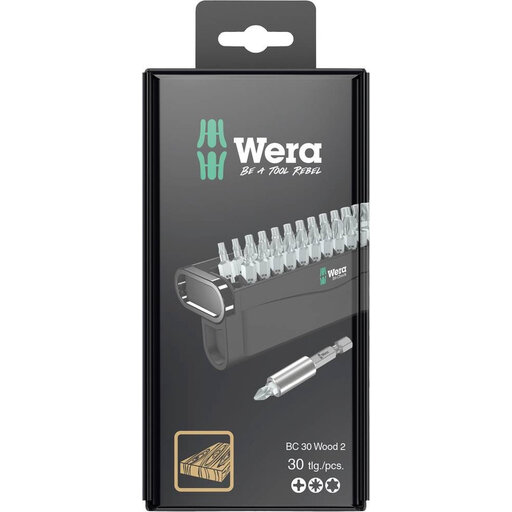
Why it suits this profile: A compact bit set is practical for assembly, furniture and light repairs around the home. It takes up little space and includes 29 bits plus a universal holder.
The number and types of pieces are clearly listed, so you can check in advance whether the bit profiles match your screws.
30-piece set, permanent magnet in the holder and compact packaging weighing around 270 grams.
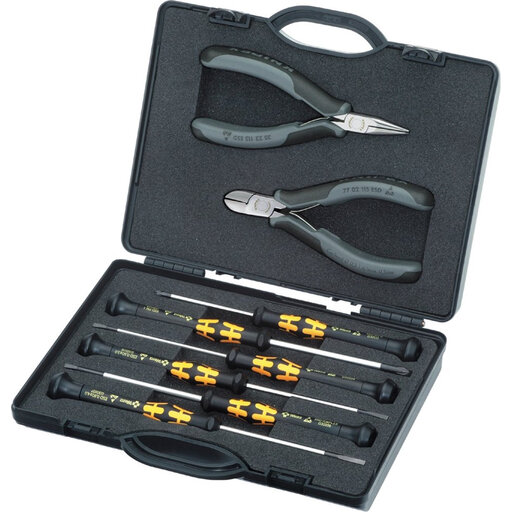
Why it suits this profile: For precision mechanical work and electronics, a specialist set is more suitable than general-purpose tools. The storage box protects the tools while they’re stored.
Its intended use and ESD properties are clearly specified. That means you won’t end up with a general-purpose pliers set for a job that calls for precision tools.
8-piece set, ESD design and an impact-resistant case with foam lining.
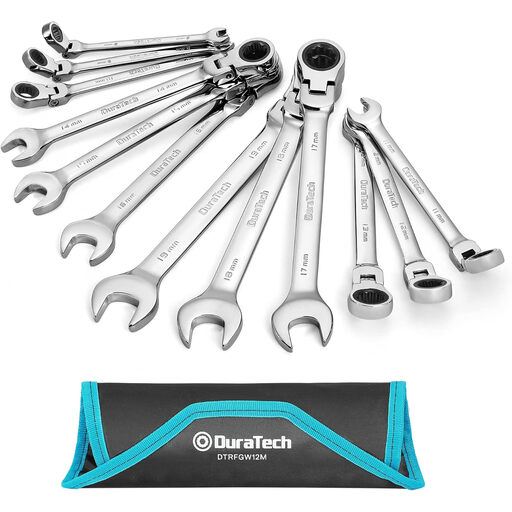
Why it suits this profile: The flexible head and ratchet mechanism make this set ideal for maintenance in confined spaces, such as around engine components and machinery.
The sizes, 72-tooth ratchet and flexible head are specified. Check beforehand, though, that 8 to 19 mm is suitable for your fasteners.
12 sizes, 180-degree flexible head, 5-degree working arc and a roll pouch with size markings.
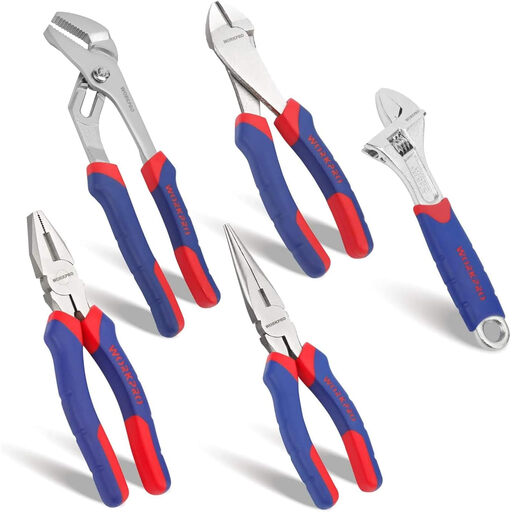
Why it suits this profile: This set is designed for general DIY, plumbing, electrical work and maintenance jobs that involve gripping and cutting.
The five tools and their uses are listed individually. That makes it easy to see which functions you’re actually getting, rather than relying on a high piece count alone.
Water pump pliers, combination pliers, diagonal cutters, long-nose pliers and an adjustable spanner; handles made with TPR and PP materials.
We’ve put together a full, up-to-date list of products that meet these strict selection criteria and the applicable European safety regulations.
For small assembly and repair jobs, a combination of screwdrivers, bits, pliers and a few metric spanners is practical. If you regularly work on bikes, furniture or appliances, check the specific sizes and bit profiles rather than just the number of pieces.
A ratchet spanner set has a ratchet mechanism, so you don’t have to lift the spanner completely off the fastener after each turn. This is useful in confined spaces. A standard combination spanner usually has fewer moving parts and is suitable for general tightening and loosening. For professional work, it can be useful to have both types.
Its lifespan depends on the materials, workload, storage and maintenance. Dry tools after use, avoid overloading them, and don’t use a spanner as a hammer or extension bar. Check moving parts and cutting edges regularly. A product guarantee, such as the minimum statutory two-year guarantee in the EU for certain products, is separate from normal wear and tear or damage caused by incorrect use.
