
Vandaag of morgen in huis

Kwaliteit gegarandeerd

Welkomstaanbiedingen ontgrendelen: GRATIS bezorging | Tot 80% korting | Gratis 30 dagen JoyPlus-proefperiode
Download de app
A tool kit might seem easy to compare at first glance: check the number of pieces, look at the price and add the product to your basket. In practice, 149 pieces don’t always mean the kit will be useful. A set may contain lots of small accessories, but still be missing the screwdriver, drill or storage case you need most often.
For households, students, DIY enthusiasts and maintenance professionals in the Netherlands, three pitfalls are particularly important:
For small repairs, assembling furniture and putting up wall décor, a household tool kit with screwdrivers, pliers, a hammer, tape measure, spirit level and bits is often enough. For woodworking, metalworking or regular maintenance, you may need power tools.
Here’s how the options differ:
You don’t automatically need a professional tool kit for occasional DIY jobs. It’s better to choose based on how often you’ll use it, the materials you’ll be working with and the level of precision required.
There are several measurable and relevant specifications to consider when choosing power tools:
According to CONENTOOL’s product description, the 71-piece combo kit includes a drill with a maximum torque of 55 Nm and an impact wrench with a stated maximum torque of 700 Nm. These are the manufacturer’s product specifications; whether the tools are suitable in practice depends on the application, fasteners and working conditions.
For hand tools, the material and handle matter more than a high piece count. Hardened carbon steel, CRV steel, a rust-resistant finish and non-slip handles are features you can check. They’re no substitute for careful use: don’t continue using damaged tools.
Also check:
Wear suitable eye protection when drilling, grinding or cutting, and keep power tools away from moisture and children. Store metal parts somewhere dry and wipe them clean after use.
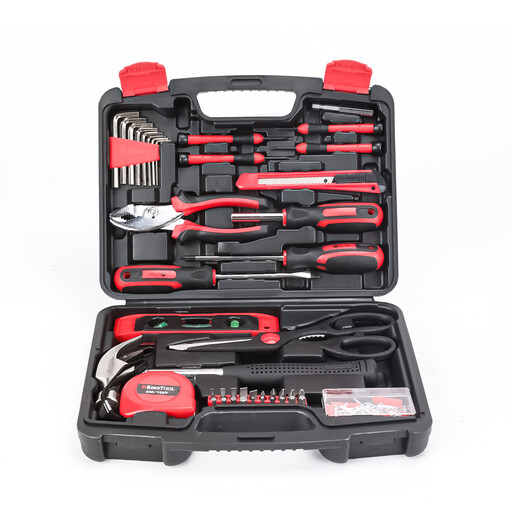
Why it suits this user: This 149-piece tool kit is designed for home maintenance, furniture assembly, wall fittings and small repairs in student accommodation, a flat or a new home.
The contents list specific essentials, including a hammer, pliers, spirit level, tape measure, bits and fasteners, rather than relying on a high total piece count alone.
149 pieces; ABS case with individual slots; PVC and soft rubber handles; includes 106 small fasteners and accessories.
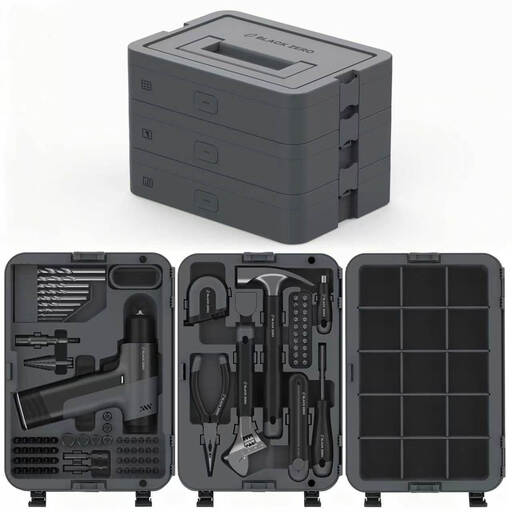
Why it suits this user: This set is a good fit if you value tidy storage and need a cordless drill for regular maintenance at home, in a studio or in a workshop.
According to the product description, the case has a separate layer for the drill and fixed compartments, helping to keep accessories in place.
16 V system; 1600 mAh battery; no-load speed of 0–1000 rpm; case measuring 329.5 × 236.5 × 75 mm.
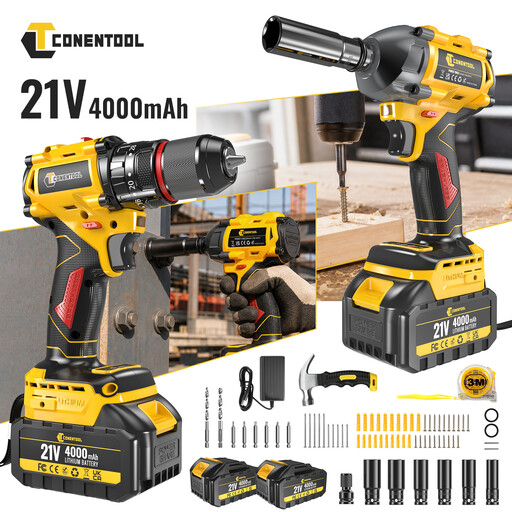
Why it suits this user: This set is aimed at people who need to drill, drive screws and undo bolts, for example during assembly, in the workshop or when working on vehicles.
The box includes both a drill and a 1/2-inch impact wrench, along with two batteries, a charger and accessories. Check first that the stated torque ratings are suitable for the fasteners you’ll be working with.
21 V; two 4000 mAh batteries; 28+3 torque settings on the drill; storage case with 71 pieces.
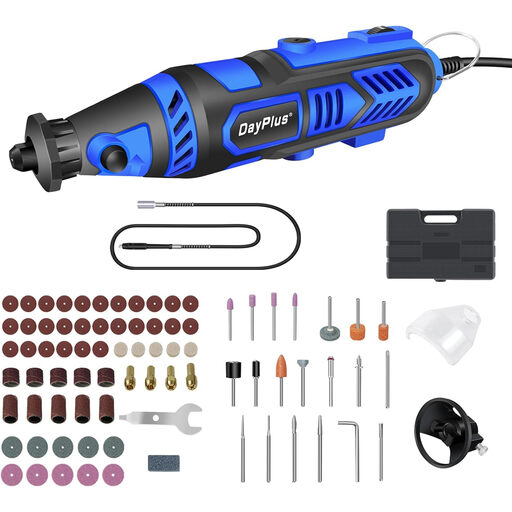
Why it suits this user: A practical choice for hobbyists who want to engrave, polish, clean or grind, or carry out small drilling and cutting tasks.
The set specifies six speed settings, a flexible shaft and 80 accessories. This lets you match the accessory to the task instead of using one setting for everything.
135 W power; six speed settings; 80-piece accessory set; flexible shaft and carry case.
We’ve put together a complete, up-to-date list of products that meet these strict selection criteria and the applicable European safety regulations.
Not necessarily. Check that the kit includes the tools you’ll actually use, such as a Phillips screwdriver, combination pliers, hammer, tape measure and spirit level. Lots of extra bits or fasteners are only useful if they’re right for the jobs you have in mind.
Its lifespan depends on the materials, workload, storage and maintenance. Keep hand tools dry, clean metal parts and use each item for its intended purpose. For batteries, charging habits, temperature and frequency of use all make a difference. Don’t store a battery completely flat for long periods or leave it somewhere very warm.
As well as the purchase price, consider the cost of replacement batteries, compatible accessories and the charger. A set with two batteries can be handy for longer jobs, while a manual household tool kit has no charging costs. So don’t compare piece counts alone: also look at the accessories and replacement parts available later.
