
Vandaag of morgen in huis

Kwaliteit gegarandeerd

Welkomstaanbiedingen ontgrendelen: GRATIS bezorging | Tot 80% korting | Gratis 30 dagen JoyPlus-proefperiode
Download de app
A bowl of tonkotsu ramen sounds simple enough: add hot water, wait a few minutes, and you're done. Yet instant products vary hugely in taste, preparation, portion size and ingredients. One variety is a creamy ramen with pork broth, while another is more of a spiced soup with pork flavouring.
If you compare carefully, you can avoid a ramen cup that's too small, a multipack that doesn't suit your palate, or important allergens being overlooked. Below, you'll discover which features really matter and which instant tonkotsu ramen suits different occasions.
Tonkotsu traditionally refers to a Japanese broth made from pork bones. With instant products, however, the flavour can come from a combination of pork bone flavour, spices, yeast extract, soya and other seasonings. So check the ingredients list rather than just the front of the packet.
Some products explicitly state pork extract or pork powder. Other varieties rely mainly on "pork-style" flavourings. That doesn't necessarily make them unsuitable, but the difference matters if you're after a specific taste or composition.
A ramen 5-pack or a box of twelve or even 24 portions is handy for students, families and store cupboards. But do pay attention to the portion size per sachet or cup. A pack of 5 × 10⁷g and a box of 105g cups may look similar, but they can differ in preparation, toppings and the amount of soup base.
Also compare the best-before date and storage space. Instant noodles are best kept dry, cool and out of direct sunlight. Only buy a bulk pack once you know you like the flavour.
Some brands emphasise that their noodles are not fried. That's a verifiable product feature, but it doesn't tell you everything about taste, salt content or texture. Also look at:
A classic tonkotsu flavour is usually creamy, savoury and deeply rich. Miso tonkotsu ramen adds a fermented soya base, while tomato gives a fresher, slightly tangy taste. Ramen with pork broth can also refer to Chinese styles, such as pork rib or pork bone noodles. These are often lighter, spicier or clearer than Japanese tonkotsu.
So check whether you're looking for:
Non-fried noodles often have a firm, smooth texture. Fried noodles tend to soften more quickly and can feel different in the mouth. Follow the preparation instructions on the packet: some products are simply covered with boiling water for three minutes, while others need to be boiled in a pan first.
A cup is convenient for the office or on the go. A sachet usually gives you more freedom to adjust the broth, toppings and amount of water yourself.
Many instant ramen products are relatively high in salt per 100g. In the product specifications provided, the stated salt content ranges, for example, from around 3.5g to 7g per 100g. Always compare the same unit and check whether the table includes both the noodles and the soup base.
Most varieties contain wheat or gluten. Soya is common in miso, soya sauce, oil or hydrolysed vegetable protein. Sesame, egg, milk, chicken and fish can also be present. If you have an allergy, always read the current label on the packaging.
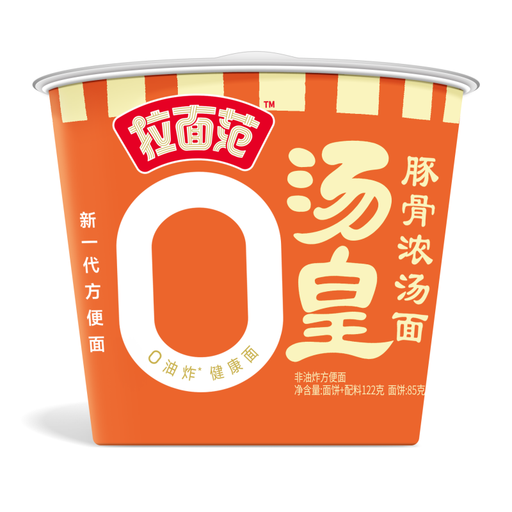
Why it fits the profile: This ramen cup is designed for a quick meal without needing a pan. According to the product information, it's ready in about 3 minutes with boiling water.
The packaging states 122g, lists the allergens wheat and soya, and gives clear preparation instructions. This means you can check the portion size and ingredients beforehand.
Cup format, non-fried noodle block and separate soup, oil and vegetable sachets.
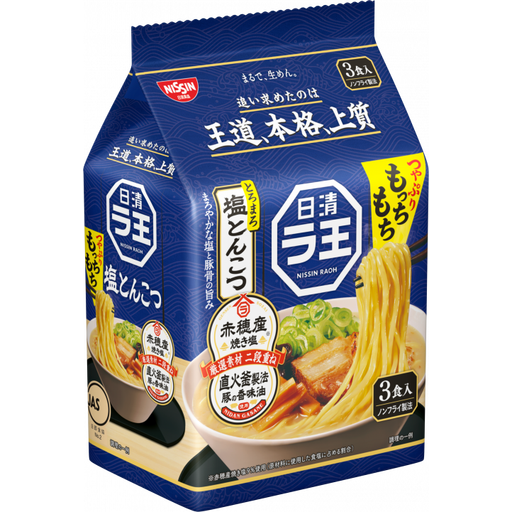
Why it fits the profile: This Japanese variety comes as three portions and, according to the product information, combines a salt-tonkotsu base with pork flavour, garlic and sesame, among other ingredients.
The product information lists the allergens wheat, egg, milk, sesame, soya, chicken and pork. This helps you make an informed purchase.
Three portions, Japanese origin according to the product listing, and a separate nutritional value per 86g portion.
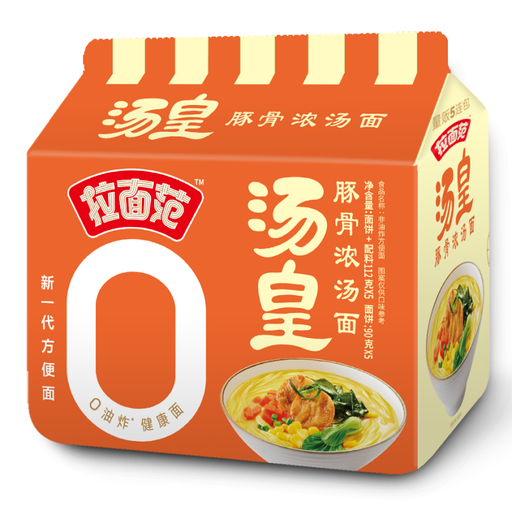
Why it fits the profile: The five individual portions suit households that regularly want a quick noodle soup and prefer storing sachets rather than cups.
It's a clear 5-pack with 112g per portion. So you don't have to guess how many individual meals the pack contains.
Five portions, non-fried noodles and separate vegetable, soup and oil packaging.
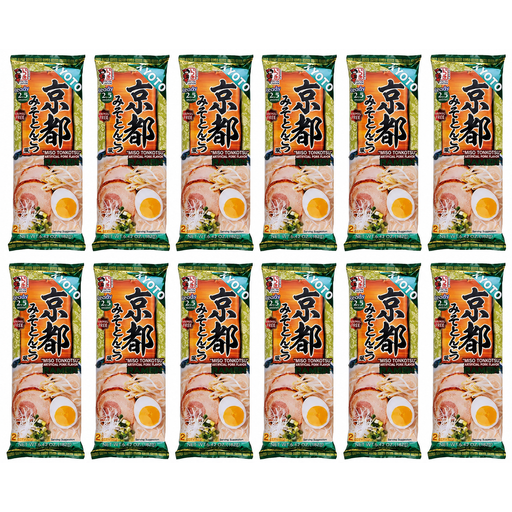
Why it fits the profile: The combination of miso and tonkotsu suits eaters looking for more depth and a pronounced savoury flavour. According to the product description, the noodles are ready in about 2.5 minutes.
The flavour isn't just labelled as tonkotsu, but also as Kyoto miso tonkotsu. The ingredients list miso, soya and sesame, so you can assess the profile.
12 × 182g, preparation time of around 2.5 minutes and a clear miso-tonkotsu combination.
We've put together a full, up-to-date list of products that fully meet these strict selection criteria and comply with current European safety regulations.
Instant ramen won't be the same as a freshly made broth, but you can still customise your bowl:
With products from China or Japan, check the translated product information and always read the label when you receive them. The recipe, allergen information and preparation advice are on the packaging itself.
Tonkotsu ramen refers to a pork bone or pork broth flavour. Instant ramen is the broader product category. A tonkotsu product can therefore be Japanese instant ramen, a ramen cup or a sachet from a multipack all at once.
That depends on the product. Many cups are filled with boiling water and left covered for around three to six minutes. Sachets sometimes need to be boiled in a pan. Add the soup and oil sachets at the time the packaging recommends, as this affects the flavour and texture.
Store unopened instant ramen in a dry, cool place away from direct sunlight. The exact best-before date is on the packaging. With a bulk pack, also check that all sachets are intact and follow the manufacturer's storage instructions.
