
Vandaag of morgen in huis

Kwaliteit gegarandeerd

Welkomstaanbiedingen ontgrendelen: GRATIS bezorging | Tot 80% korting | Gratis 30 dagen JoyPlus-proefperiode
Download de app
Japanese tonkotsu ramen is a firm favourite among those who love a rich, savoury broth, and anyone looking to whip up a quick, warming meal. Yet many packets look remarkably similar. Labels such as “restaurant-style”, “rich” or “authentic” don’t always tell you exactly what you’re buying.
As a Joybuy Product Recommendation Officer, I filter the key product information based on verifiable data. This way, you won’t rely solely on the packaging, and you can make a more informed choice between instant ramen, Japanese instant noodles and larger multipacks.
Tonkotsu traditionally refers to a rich broth made from pork bones. With instant ramen, however, the packaging may say “tonkotsu-style” or “tonkotsu taste”. This can indicate a flavour profile and doesn’t automatically mean the product actually contains pork ingredients.
Always check the ingredients list. For example, the Hikari Miso Restaurant Style Ramen Tonkotsu Taste lists pork extract and pork seasoning. In contrast, the Itsuki Kumamoto Black Garlic Tonkotsu Ramen is labelled “Animal-Free” and uses soya milk powder, garlic and flavourings. So, choose based on the full composition, not just the name.
A pack of 12 may lower the price per unit, but it’s less practical if you want to try different flavours first. Pay attention to the actual number of servings. Higashimaru Spicy Tonkotsu-Style Ramen at 156g contains 2 servings, while a 390g pack of the same flavour variant states 5 servings.
For students, smaller households, or a first-time try, a smaller pack is often easier to manage. For a store cupboard or regular use, a bulk pack might suit you better. When comparing, look at the price per serving, not just the price per pack.
Preparation time varies from product to product. The Itsuki Kyoto Miso Tonkotsu is prepared in around 2.5 minutes, according to the product description. For Itsuki Osaka Shoyu Tonkotsu, the instructions state 3–4 minutes. Ramen Talk Rich Tomato Soup Ramen takes about 4–5 minutes.
The amount of water is also important. The Osaka variant specifies 500ml of water. Don’t automatically use the same amount for every packet; a different ratio can make the broth saltier or less intense.
The flavour base determines more than just the first impression:
The term “authentic Japanese ramen” isn’t a standalone quality standard. Instead, look at the country of origin, ingredients, serving size and preparation method. Several Itsuki products list Japan as the country of origin.
For consumers with an allergy, the ingredients list is decisive. In this product category, wheat, soya and sesame are common. The Nissin Raoh Salt Tonkotsu also lists egg, milk, chicken and pork. The Itsuki Osaka Shoyu Tonkotsu mentions wheat, soya and sesame.
Always check the current packaging, as product compositions can change. Also pay attention to the nutritional values per 100g versus per serving. The salt content varies in the product information provided; for some variants it’s around 6.8–7g per 100g, while other products state the value per serving. These figures aren’t directly comparable.
Japanese ramen noodles can be dried, fried or non-fried. The product information sometimes gives extra details, such as wheat flour, salt and raising agent. Check:
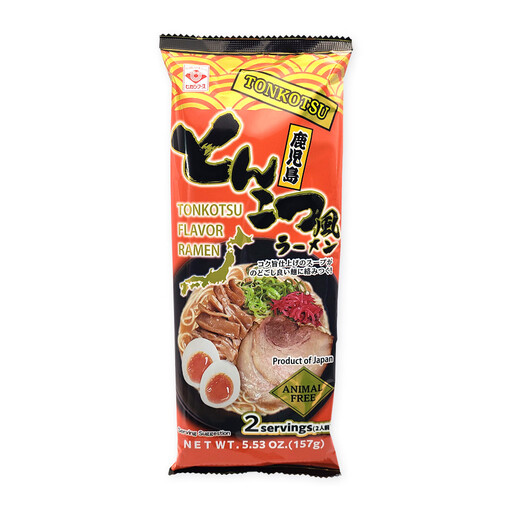
Why this fits the profile: A pack with two servings is practical for trying a flavour first without committing to a large stock.
The number of servings is clearly stated in the product name. The ingredients list wheat, soya and sesame, so you can check in advance whether it suits you.
Two servings per pack; Japanese wheat noodles and a separate soup base.
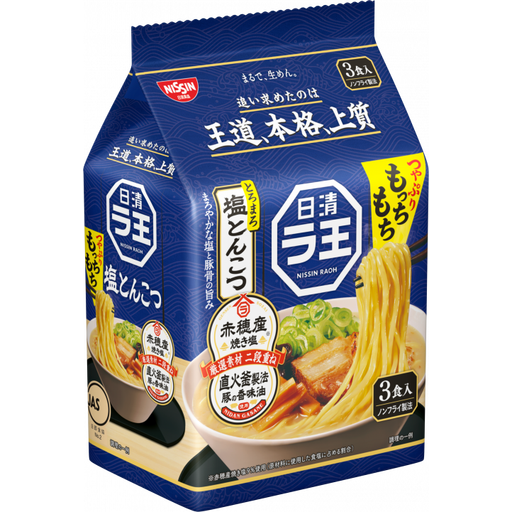
Why this fits the profile: Ideal for those who want to compare nutritional information per serving and a more detailed ingredients overview.
The pack contains three individual packets and states nutritional values per 86g serving. This makes portion estimation clearer.
Three servings; lists wheat, egg, milk, sesame, soya, chicken and pork as allergens.
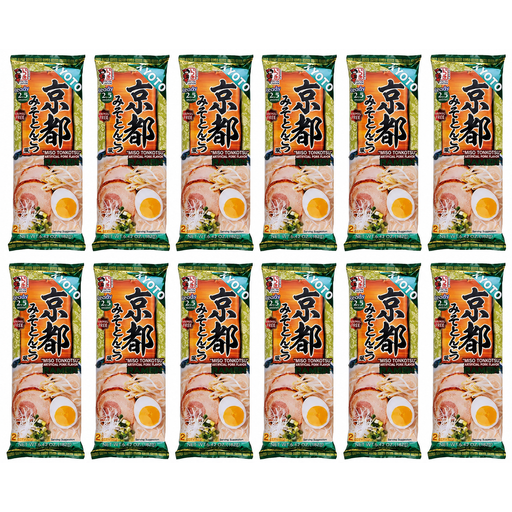
Why this fits the profile: A bulk pack suits households that regularly prepare ramen at home.
The product information mentions 12 packets of 182g and a preparation time of around 2.5 minutes. This makes it easy to estimate stock and usage in advance.
12 packs; miso-tonkotsu flavour; serving suggestions with spring onion, egg and char siu.
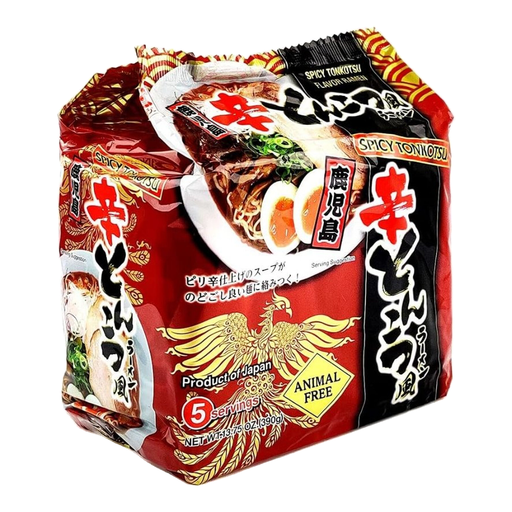
Why this fits the profile: The pack is aimed at those who eat spicy instant ramen more often and want multiple servings on hand.
The product name states five servings. The ingredients list chilli, garlic, sesame and pepper, so the spicy profile is verifiable.
Five servings; spicy flavour variant; storage advice for a cool, dry place.
Add toppings only after cooking, so the noodles keep their texture. Think of spring onion, a boiled egg, nori, sweetcorn, mushrooms or slices of meat when that fits your dietary choices. If you have allergies, always follow the packaging and also check for possible traces.
We’ve put together a full, up-to-date list of products that fully meet these strict selection criteria and current European safety regulations.
Cook the noodles in the amount of water stated on the packaging. Add the soup base according to the instructions. For the Itsuki Osaka Shoyu Tonkotsu, that’s 500ml of water and about 3–4 minutes of cooking. Check the current preparation method for each product.
Unopened dry ramen can be stored until the date on the packaging, provided you keep the product in a cool, dry place away from direct sunlight. Once opened, it’s best to store the contents in an airtight container and follow the packaging instructions.
No. Some products contain pork extract or pork seasoning, as the product information for Hikari Miso Tonkotsu states. Other variants are tonkotsu-style or animal-free. Always check the ingredients and allergens before buying tonkotsu ramen.
