
Vandaag of morgen in huis

Kwaliteit gegarandeerd

Welkomstaanbiedingen ontgrendelen: GRATIS bezorging | Tot 80% korting | Gratis 30 dagen JoyPlus-proefperiode
Download de app
Tonkotsu ramen, that rich, creamy Japanese noodle soup, is incredibly popular. Whether you're looking for a quick, flavorful meal after a long day or feel like making an authentic broth from scratch, the choices can be overwhelming. Unfortunately, this often leads to disappointment: a packet of instant noodles that is bland or a homemade soup that remains watery after hours of simmering.
As a Joybuy Product Recommendation Officer, I'll help you cut through the marketing jargon. We'll look at what really matters so you can make the right choice for your taste and time. Let's examine the two most common pitfalls.
To avoid these disappointments, it helps to know what to look for. Whether you're opting for convenience or authenticity, the details make all the difference.
The term "tonkotsu" on the packaging is no guarantee of quality. A quick glance at the ingredients list will tell you much more.
Anyone who wants to make authentic ramen from scratch starts with the foundation: the bones. Not all pork bones are suitable for a cloudy, milky tonkotsu broth.
Below are some products that suit different needs and cooking styles, based on their specifications.
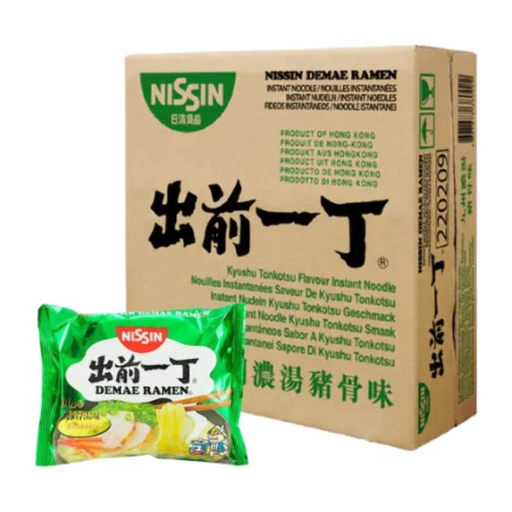
Why This Fits Their Persona: Ideal for students or professionals who are short on time. These noodles offer a quick, reliable, and flavorful meal. The bulk pack is also practical and budget-friendly.
Nissin is a well-known Japanese brand that delivers a more balanced pork flavor than many generic, overly salty alternatives. The taste is recognizable and consistent.
Ready in minutes. The flavor of the pork-flavored instant noodles is consistent, and the noodles have a good texture.
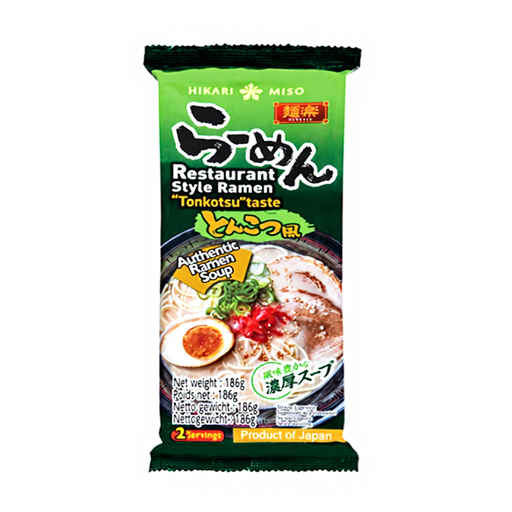
Why This Fits Their Persona: For those seeking more than standard instant noodles but who don't have hours to cook. This product offers a more complex flavor that approaches a restaurant experience.
According to the manufacturer, the soup base contains pork extract and miso, which creates a deep, savory flavor that goes beyond a simple artificial powder.
Offers a layered, restaurant-style flavor. The combination of tonkotsu and miso creates a unique and rich flavor profile.
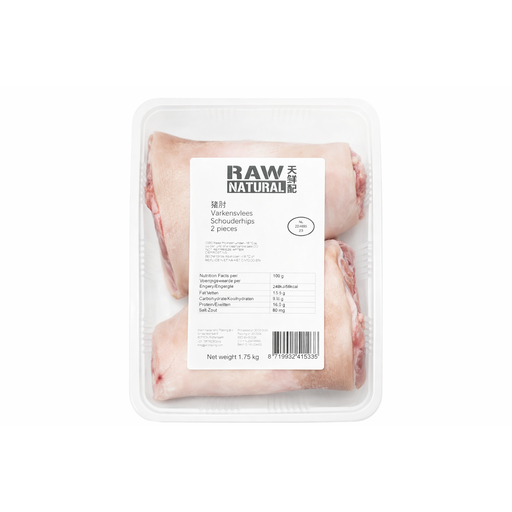
Why This Fits Their Persona: For the foodie who wants to prepare the ultimate, authentic ramen. This is for those who value the process as much as the final result and want complete control over the flavor.
By using the right foundation, you avoid a watery broth. The product description notes that the knuckle has thick skin, plenty of tendons, and heavy gelatin—exactly what's needed for a creamy pork bone broth.
Delivers the essential collagen and gelatin for an authentic, milky texture. It gives you complete control over the depth and flavor of your broth.
Want to make an authentic broth from scratch? We have a complete overview of products that meet the criteria for a flavorful base.
A traditional, rich tonkotsu broth requires patience. Expect a simmering time of at least 8 to 12 hours over low heat. This long process is necessary to extract all the collagen and marrow from the pork bones, resulting in the signature creamy, milky soup.
These are the four main types of ramen, named after their flavor base (tare):
Yes, pork ribs can certainly be used and add a delicious, meaty flavor to the broth. However, they don't contain enough collagen on their own to create the signature creamy texture of tonkotsu. For the best results, combine ribs with bones rich in collagen, such as pork trotters, hocks, or knuckles.
