
Vandaag of morgen in huis

Kwaliteit gegarandeerd

Welkomstaanbiedingen ontgrendelen: GRATIS bezorging | Tot 80% korting | Gratis 30 dagen JoyPlus-proefperiode
Download de app
A Korean toner can be an easy addition to your routine, but the wide range available can make choosing one difficult. Some formulas focus mainly on hydration, while others contain acids, niacinamide or botanical extracts. A pretty bottle or a high percentage of one ingredient doesn’t automatically mean the product is right for your skin.
The most common purchasing pitfalls are:
A hydrating toner often contains humectants such as glycerine, butylene glycol, panthenol, betaine or hyaluronic acid. These ingredients help attract moisture and leave your skin feeling more comfortable after cleansing. A hyaluronic acid toner is particularly suited to anyone looking for a lightweight formula to use under a serum or cream.
For a toner for sensitive skin, a short ingredients list, a fragrance-free formula and a gentle introduction to use are practical points to consider. Centella asiatica, also known as cica, is common in a centella toner. According to the product description, a centella formula may soothe the skin, but the effect varies from person to person.
An exfoliating toner may contain glycolic acid, salicylic acid, gluconolactone or other acids. This type may suit people who are particularly concerned with skin texture, excess oil or clogged pores. Use the product as directed on the label, and don’t combine several exfoliating products without careful consideration.
When it comes to niacinamide, check where it appears in the ingredients list and what else the formula contains. A niacinamide toner may be of interest if you have an uneven skin tone or skin that feels oily quickly, but the presence of niacinamide doesn’t guarantee a particular result.
For AHA and BHA formulas, it’s especially important to follow the instructions for use. Product information for toners containing glycolic or salicylic acid states that your skin may become more sensitive to sunlight. So use suitable sun protection during the day, and stop using the product if you experience redness, a burning sensation or irritation. Don’t apply acids to damaged or irritated skin.
With a PDRN toner, it’s also worth looking beyond the name. Check which form of sodium DNA or PDRN appears in the ingredients list, and what other hydrating or soothing ingredients have been added. According to brands’ own product descriptions, PDRN formulas may be designed to give skin a fresher or more even appearance; this isn’t a guaranteed result for every user.
A watery toner is handy for everyday use and can be applied directly with your hands. A thicker essence toner feels richer and may be more comfortable if your skin feels tight soon after cleansing. Check the amount too: 30 ml is practical for travelling or trying a product out, while 150 to 250 ml may be more suitable for a regular routine.
Always check:
If you have sensitive or acne-prone skin, test the product on a small area first. A toner for acne-prone skin isn’t the same as an acne treatment. If you have persistent skin problems, it’s wiser to seek advice from a doctor or dermatologist than to keep adding more products.
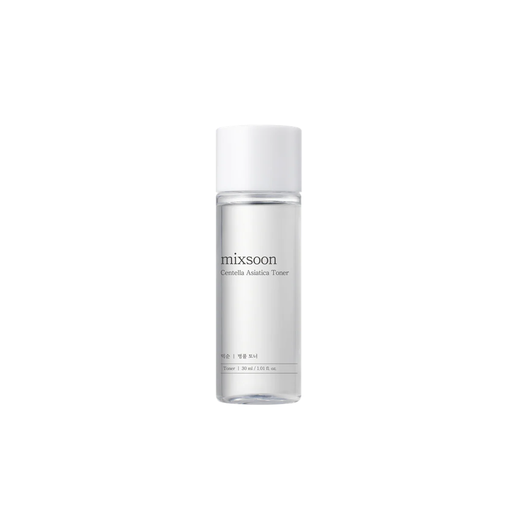
Why it suits this profile: The small size is ideal for trying a centella toner first or taking it with you when you travel. The product description mentions a watery-light texture and a minimal ingredients formula.
You won’t be stuck with a large bottle straight away if you’re still assessing how your skin reacts to centella asiatica.
30 ml; suitable for the face; according to the product information, intended for sensitive and acne-prone skin.
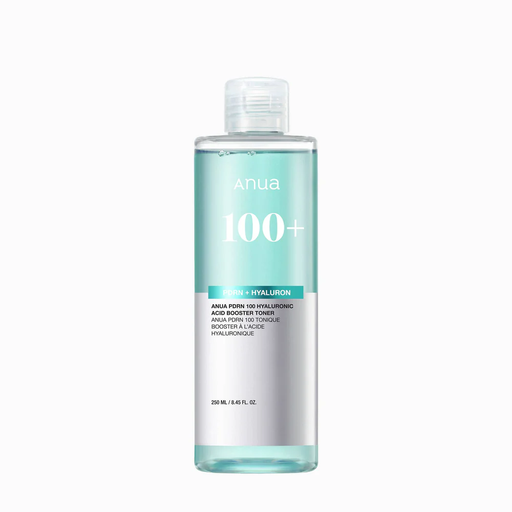
Why it suits this profile: According to the ingredients list, this Korean toner combines glycerine, panthenol, allantoin, sodium DNA and several forms of hyaluronic acid in a 250 ml size.
The product choice is based on verifiable ingredients rather than just the PDRN name or a promise about results.
250 ml; contains hydrolyzed hyaluronic acid and panthenol; according to the product information, use in the morning and evening.
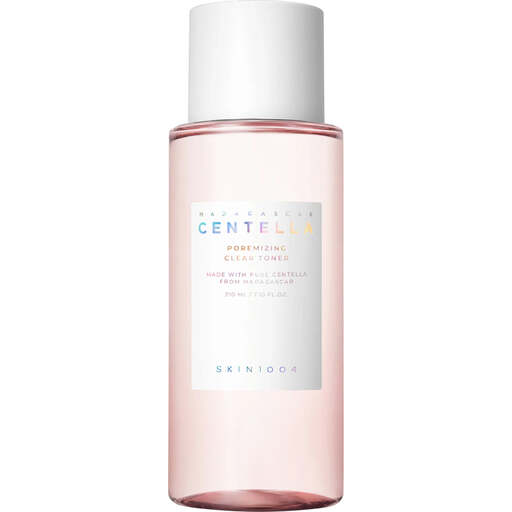
Why it suits this profile: The product description is aimed at combination, oily and sensitive skin, and mentions an exfoliating complex with AHA, BHA, PHA and LHA.
The presence of several acids makes it clear that this isn’t an ordinary hydrating toner. Introduce it gradually and pay attention to how your skin reacts.
210 ml; contains centella asiatica, glycerine and hyaluronic acid; easy to apply with your hands or a cotton pad.
Cleanse your face first, then apply a small amount of toner with your hands or a cotton pad. Gently pat it into your skin rather than rubbing hard. You can apply a hydrating toner in thin layers if you like. Use an exfoliating toner less often if your skin reacts sensitively, and don’t use it straight away with several other acids.
We’ve put together a complete, up-to-date list of products that fully meet these strict selection criteria and the applicable European safety regulations.
Not every formula suits every skin type. If you have dry skin, look for hydrating ingredients such as glycerine or hyaluronic acid. For sensitive skin, a short ingredients list and a fragrance-free formula are practical points to consider. Test a new product on a small area of skin first.
It depends on the formula and how your skin reacts. For example, start by using it infrequently and follow the product instructions. If you experience redness, stinging or tightness, stop using it temporarily. Use sun protection during the day if the packaging warns that your skin may become more sensitive to sunlight.
Check the expiry date, batch information and any period-after-opening guidance on the packaging. Store the bottle in a cool, dry place away from direct sunlight. If the smell, colour or texture changes noticeably, stop using the product.
