
Vandaag of morgen in huis

Kwaliteit gegarandeerd

Welkomstaanbiedingen ontgrendelen: GRATIS bezorging | Tot 80% korting | Gratis 30 dagen JoyPlus-proefperiode
Download de app
A blinking light on your laser printer usually means one thing: the toner is out. Buying a new toner cartridge seems simple until you get tangled in a web of model numbers, vague promises, and unclear prices. Many people fall into the same traps, causing them to overpay or, worse, end up with a useless cartridge.
As a Joybuy Product Recommendation Officer, I see where things go wrong every day. Before you order a new printer toner, it's wise to be aware of a few common missteps.
Fortunately, these problems are easy to avoid if you know what to look for.
Choosing a toner for your printer doesn't have to be complicated. It's all about checking a few key specifications. This way, you can be sure you're making the right purchase.
The most important step is finding a toner that is 100% compatible with your printer. This goes beyond just the brand.
Always double-check that both the printer model and the cartridge number match the product description of the toner you intend to buy.
This is a common dilemma. Both options have their own advantages.
The price of the cartridge doesn't tell the whole story. The page yield (the number of pages you can print) is just as important. This is usually indicated based on 5% coverage per page, which is equivalent to a standard text document.
A black toner with a capacity of 3,000 pages can be more economical in the long run than a cheaper version that only lasts for 1,500 pages. Also, look for 'high capacity' or 'XL' versions. These are more expensive upfront but often offer a lower cost per page, which is ideal if you print a lot.
To help you make the right choice, we have selected a number of toners that suit different user profiles.
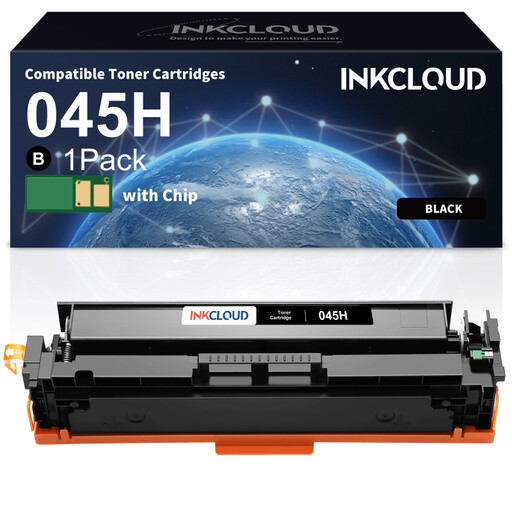
Why This Fits Their Persona: Ideal for a home office or students who regularly print documents. This compatible toner offers a high capacity for a fraction of the price of an original, without compromising on text print quality.
This toner tackles the 'capacity myth' by combining a high yield with a low price, resulting in a very low cost per page.
Significant cost savings and a high page yield. Designed for specific Canon models to minimise compatibility issues.
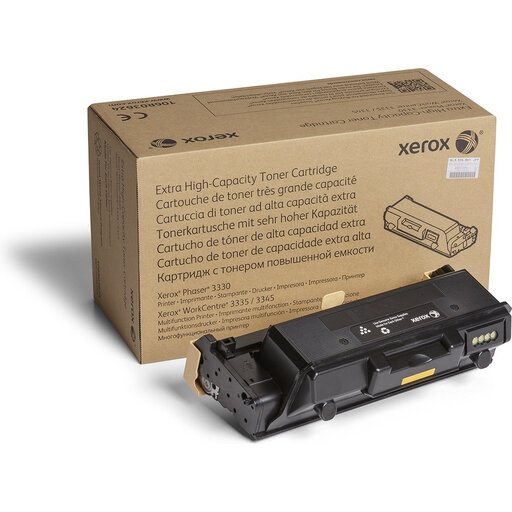
Why This Fits Their Persona: For offices where the printer runs non-stop. Reliability and an extremely high capacity are essential to maintain productivity and minimise maintenance intervals.
This original toner completely eliminates the compatibility trap. Its massive 15,000-page capacity ensures a very low cost per page, despite the higher initial price.
Extra-high capacity (15,000 pages) for maximum efficiency. The reliability and quality of a genuine Xerox toner.
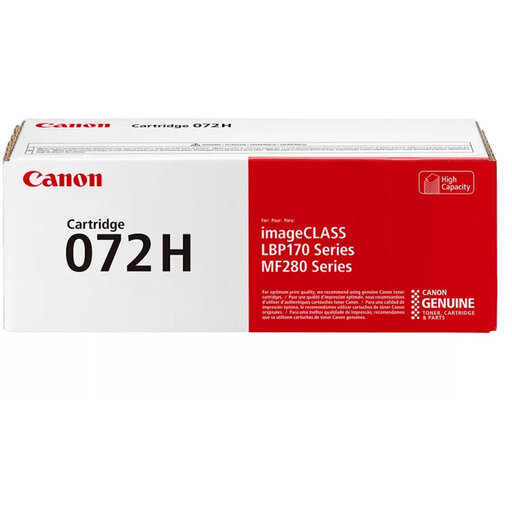
Why This Fits Their Persona: For the freelancer or small business where the quality of printed reports, invoices, or presentations directly reflects the company's image. Reliability and consistent, sharp prints are the priority here.
By choosing a genuine Canon toner, you avoid any risk of poor print quality or compatibility issues. You're paying for peace of mind and guaranteed performance.
Optimal performance and reliable print quality, engineered by Canon for Canon printers. A solid capacity of 4,100 pages.
We have compiled a complete, up-to-date list of products that fully meet these strict selection criteria and local regulations.
A: A major advantage of laser toner is that it consists of dry powder and cannot dry out like ink. If you store the cartridge in a cool, dry place, it can remain in good condition for years. Its lifespan in use depends entirely on the number of pages you print.
A: Reputable compatible brands produce toners that are designed to be safe and compatible with the specified printer models. It is important to buy from a reliable seller. Printer manufacturers may state in their warranty terms that using non-original cartridges can affect the warranty. It is therefore wise to check this.
A: A high-capacity toner (often indicated by 'High Yield', 'XL', or 'HC') contains more powder and can therefore print more pages than a standard version. Although the purchase price is higher, the cost per printed page is usually lower. If you print regularly, an XL version is almost always the most economical choice.
