
Vandaag of morgen in huis

Kwaliteit gegarandeerd

Welkomstaanbiedingen ontgrendelen: GRATIS bezorging | Tot 80% korting | Gratis 30 dagen JoyPlus-proefperiode
Download de app
A bottle of ketchup for chips, a jar of pasta sauce for a quick meal, or beans in tomato sauce for the store cupboard: tomato sauce and ketchup each have their own purpose. Yet at first glance, many products look alike. If you only look at the brand or a flashy packet, you could end up buying more sugar, salt or sauce than you need.
In this guide, you’ll find out what to look for when choosing tomato ketchup, pasta sauce and ready-made products with tomato sauce. That way, you can make a targeted choice based on flavour, use, contents and nutritional values.
Tomato ketchup usually contains vinegar, sugar and spices. This makes it a good match for chips, snacks, burgers and hot dogs. Pasta sauce is generally milder in seasoning and is intended to be heated and combined with pasta.
Ketchup can be used as a flavour enhancer in a dish, but a bottle of ketchup isn’t automatically a suitable sauce for pasta. Always check the usage instructions on the label.
Words like “rich in flavour”, “natural” or “with sun-ripened tomatoes” don’t tell you much about the overall composition. Always check the ingredients list and nutritional values per 100 grams or 100 millilitres.
Pay particular attention to:
According to the product information, Heinz Tomato Ketchup contains 22.8 grams of sugar and 1.8 grams of salt per 100 grams. Remia Tomato Ketchup lists 13.9 grams of sugar and 1 gram of salt per 100 millilitres. The exact nutritional values may vary per packet or recipe; always check the label at the time of purchase.
A product with ketchup with no added sugar can still contain naturally occurring sugars from tomatoes. Heinz Tomato Ketchup 0% Add. lists 4.4 grams of sugar per 100 millilitres according to the product description, and uses sucralose as a sweetener.
The difference is also relevant for beans in tomato sauce. Hak White Beans in Tomato Sauce lists no added sugar and 3.8 grams of sugar per 100 grams according to the product information. That doesn’t mean the product contains no carbohydrates or sugars.
For regular use, the contents matter more than just the price. A 500 or 570 millilitre bottle might seem good value, but it’s less practical if you don’t use much ketchup and the bottle stays open for a long time.
After opening, follow the storage instructions. Products must be kept tightly closed and stored according to the label. Do not use any tin or packet that is bulging, leaking or damaged.
Ingredients are listed in descending order by quantity. If sugar or syrup appears near the top, it makes up a relatively large part of the recipe. For ketchup, tomatoes, vinegar, sugar, salt and spices are common ingredients.
Heinz Tomato Sauce (350 g) lists tomatoes, oil, sugar, modified starch and salt according to the product information. The sauce is intended as a base for pasta, lasagne, curry, pizza, stews and rice, among other things. Remia Tomato Ketchup contains tomato purée, vinegar, sugar, cornflour, sea salt, herbs and stevia sweetener, among other ingredients.
Allergens must be clearly stated on the label. Heinz Tomato Sauce lists soya. Heinz Tomato Ketchup contains celery according to the product information. Fish products such as sardines, herring and tuna contain fish and may list additional allergens.
Compare nutritional values per 100 grams, not just per serving. This allows you to compare ketchup, pasta sauce and products like beans in tomato sauce more fairly. A Nutri-Score can help with a quick comparison, but it doesn’t replace the ingredients list.
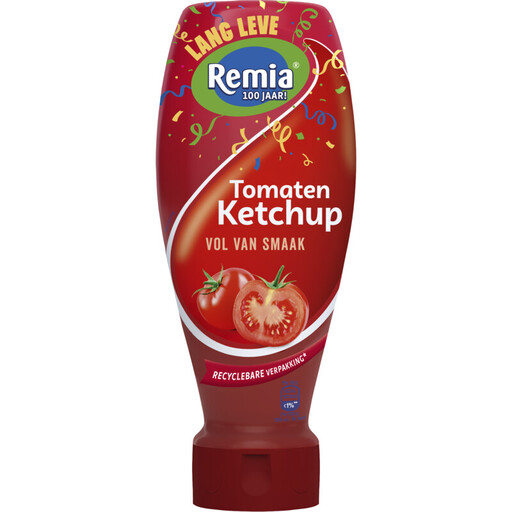
Why it fits the profile: The 500 ml squeezy bottle is practical for everyday use with chips, snacks, burgers and toasties. According to the product information, the ketchup is plant-based and gluten-free.
The use is clearly described as ketchup. So you’re buying this product for cold or direct serving, not as a substitute for pasta sauce.
500 ml content, squeezy bottle, 100% plant-based according to the product description and none of the 14 major EU allergens listed.
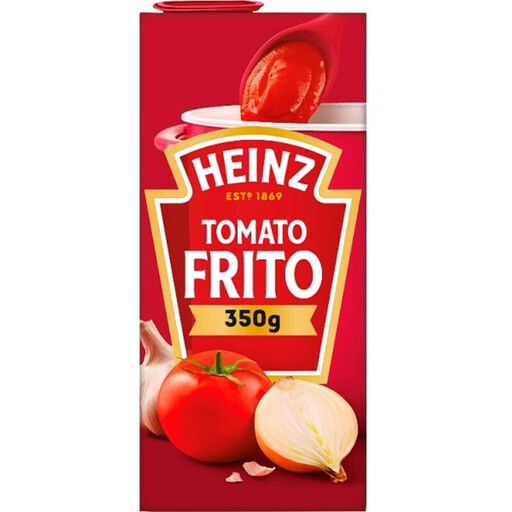
Why it fits the profile: According to the product description, this sauce is intended as a versatile base for pasta, lasagne, curry, pizza, stews and rice.
The product description makes the difference from ketchup clear: this is a heatable sauce, not a typical sauce for chips and snacks.
350 g packet, Nutri-Score A according to the product information and no added flavourings or preservatives according to the brand description.
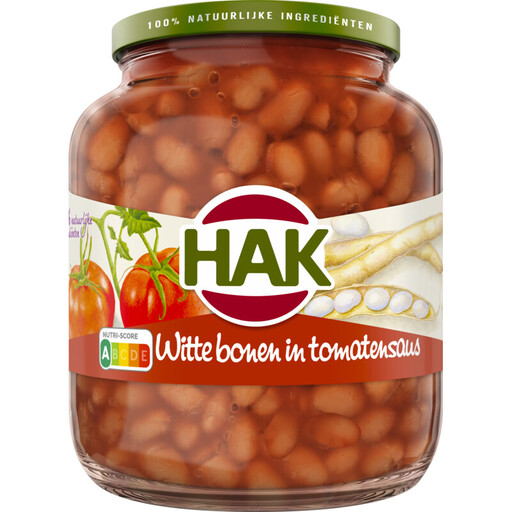
Why it fits the profile: The large jar is ideal for families, store-cupboard planning and quick meals. You can serve the beans cold or gently heat them.
The product information explicitly states no added sugar. Do check the current ingredients list on the jar at the time of purchase.
720 g content, 61% white beans according to the product data and 5 g protein per 100 g.
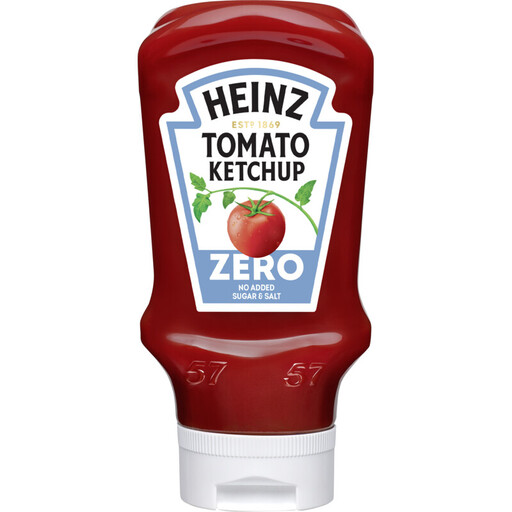
Why it fits the profile: If you’re specifically looking for ketchup with no added sugar and salt, here’s a product that, according to the product description, has been formulated with those features in mind.
The front of the packet isn’t the only thing to check: the nutritional information lists 4.4 g sugar and 0.05 g salt per 100 ml.
400 ml packet, 44 kcal per 100 ml according to the product information and Nutri-Score A according to the brand mention.
We’ve put together a full, up-to-date list of products that fully meet these strict selection criteria and comply with current European safety regulations.
Ketchup is usually sweeter and more acidic due to sugar, vinegar and spices. Tomato sauce is often intended as a base for hot dishes, such as pasta, pizza, rice or stews. Look at the usage instructions and the ingredients to tell the difference.
Choose a product that clearly states it’s suitable as a pasta sauce or meal base. Heinz Tomato Sauce and g’woon Pastasaus Tradizionale are intended to be heated and served with pasta, according to the product information. Ketchup can be added as a flavour enhancer, but it generally has a sweeter and more acidic taste.
This varies by product. Always follow the storage and best-before instructions on the packet. Close a bottle or jar tightly, store it as directed, and check the smell, colour and texture before use. If the packet is damaged, leaking or bulging, throwing it away is the safe option.
