Who is this relevant to?

If you’re planning one weekend lunch

You’ll want to know whether chilling the sauce is enough or whether you need to freeze it. The Netherlands Nutrition Centre says cooked leftovers that have been cooled quickly and stored covered in the fridge should be eaten within two days.

If you regularly make sauce in batches

You’ll want enough freezer space and need to know whether the appliance can freeze the amount you’re adding at once. The Consumers’ Association points out that drawers make food easier to access.

If you’re considering extra freezer space

You already have freezer space, but want to decide whether a second appliance will suit the space available and its annual energy consumption. Milieu Centraal also recommends checking energy use in kWh per year.

What should you consider when choosing?

Fridge, without freezing

Choose this if: you’ll eat the sauce within two days of making it and have space in a fridge at 4 °C.

The trade-off: this option is for short-term storage, not for sauce you want to keep for longer.

Existing four-star freezer compartment

Choose this if: you want to store a few portions for longer and the compartment has enough space and freezing capacity.

The trade-off: check the freezer compartment’s specifications. Having a freezer compartment doesn’t, by itself, mean it’s suitable for freezing fresh sauce.

Freestanding under-counter freezer

Choose this if: you regularly freeze portions, your existing freezer space is too small and you have room for a separate appliance.

The trade-off: consider the space it needs, ongoing energy use and whether you may need to defrost it manually.

Large upright or chest freezer

Choose this if: you regularly store lots of other frozen food as well as sauce.

The trade-off: a larger appliance needs more space; drawers can make small portions easier to organise than a chest freezer.

What to consider What should you look for? Who is this important for?
Storage time Plan when you’ll make and eat the sauce. The Netherlands Nutrition Centre recommends cooling cooked leftovers quickly, covering and refrigerating them within two hours, and eating them within two days. I want to know whether I need to freeze the sauce for this lunch. Consumers who want to consider storage time first make up around 40% of consumers in this scenario.
Space and freezing capacity Compare the space needed for your containers with the usable capacity and stated freezing capacity in kg/24 hours; these are different specifications. I portion the sauce into containers and want to make sure they fit and can be frozen. Consumers mainly looking for space for portions and freezing capacity make up around 30% of consumers in this scenario.
Energy consumption Once you’ve found a suitable size, compare the EU energy label with the stated consumption in kWh per year. Milieu Centraal recommends checking annual energy use. I want to avoid an extra appliance using more energy than necessary. Consumers who consider ongoing energy use their main priority make up around 20% of consumers in this scenario.
Positioning and maintenance Measure the space and, if it’s a cold area, check the exact model’s stated minimum ambient temperature. Also check whether it needs manual defrosting. I have a specific place in mind or want to know how much maintenance is required. Consumers who prioritise positioning or ease of defrosting make up around 10% of consumers in this scenario.

Common buying mistakes

  • Buying a freezer for sauce you’ll eat soon

    If you’ll eat the sauce within two days, storing it in a sealed container in a fridge at 4 °C may be enough. An extra appliance also takes up space and uses energy continuously.

    Check the date you made the sauce against your lunch date, then see if you have enough room in your fridge or a suitable freezer compartment.

    An extra appliance takes up space and uses energy continuously.

  • Assuming every freezer compartment is suitable for freezing fresh sauce

    The Netherlands Nutrition Centre says that one- and two-star freezer compartments don’t reach the recommended temperature of −18 °C. Storage capacity also doesn’t tell you how much the appliance can freeze at once.

    Check the star rating, temperature and freezing capacity of the exact compartment or model.

  • Looking only at capacity or the energy label

    Capacity in litres doesn’t tell you how much food the appliance can freeze in 24 hours. An energy label doesn’t replace checking annual consumption in kWh.

    For models that fit your space, compare the usable room for your containers, the freezing capacity in kg/24 hours and energy consumption in kWh per year.

  • Putting a freezer in a cold room without checking the model’s limits

    The stated minimum ambient temperature varies by model; you can’t apply one freezer’s specifications to another.

    Compare the temperature of the intended location with the manufacturer’s specifications for the exact model.

Brands to consider

ETNA

The VV856WIT is an under-counter model with three drawers for separating portions.

  • ETNA lists this model as having 85 l of four-star freezer space, a freezing capacity of 4 kg/24 hours and annual energy consumption of 131 kWh.
  • The model doesn’t have anti-frost technology or FastFreeze; check whether manual defrosting suits the way you’ll use it.

Inventum

The VR550 is a compact freestanding model with three drawers.

  • Inventum lists the VR550 as having a capacity of 88 l, a four-star rating and a freezing capacity of 4 kg/24 hours.
  • This model doesn’t have No Frost and, according to Inventum, is suitable for ambient temperatures from 10 °C; this limit doesn’t automatically apply to other models.

Beko

The FNE1074N is an under-counter model that may be worth considering if the room where you’ll put it gets cold.

  • Beko lists this model as having a capacity of 86 l, No Frost and FreezerGuard for rooms down to −15 °C.
  • These are manufacturer specifications for this model, not the results of an independent performance test or features of all Beko freezers.

Bosch

The GSN36VLCG is a large upright freezer for households that store plenty of other food as well as sauce.

  • Bosch lists this model as having a capacity of 334 l, No Frost, a freezing capacity of 16 kg/24 hours and annual energy consumption of 171 kWh.
  • It measures 1862 × 595 × 663 mm; compare this with the space available, especially if you only want to store a few portions of sauce.

Freezers for extra freezer space

These Joybuy products offer extra freezer space for portions of cooled sauce. Check each model’s star rating, freezing capacity, layout and installation requirements.
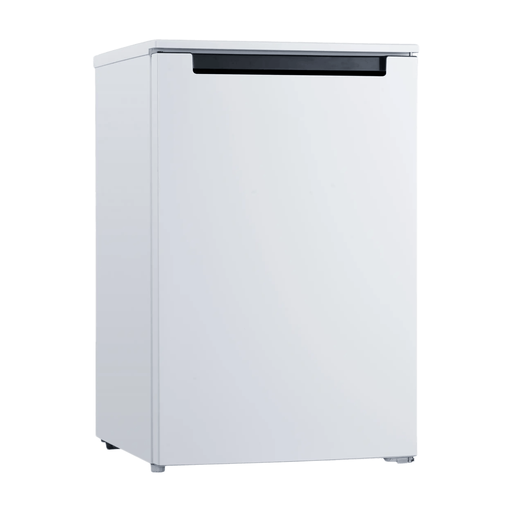
Frilec BREMEN132-040BW under-counter freezer

Frilec BREMEN132-040BW

Its four-star rating and stated freezing capacity make this model worth considering if you plan to freeze portions of sauce.

Capacity of 87 l, three drawers, freezing capacity of 4.4 kg/24 hours and annual energy consumption of 84 kWh. Manual defrosting may be needed if a lot of ice builds up.

Joybuy
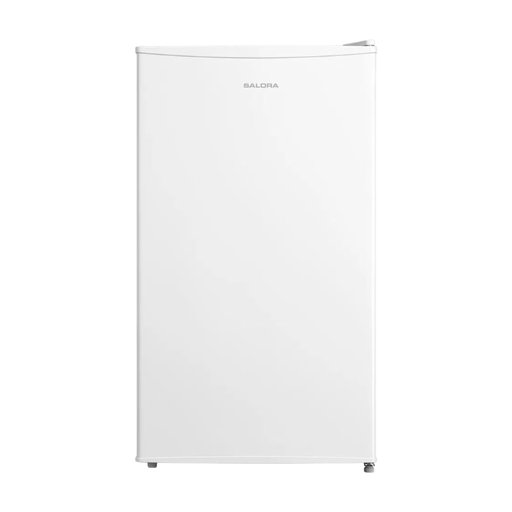
Salora 47FRT60WH freestanding freezer

Salora 47FRT60WH

The stated four-star rating and freezing capacity of 6 kg/24 hours are useful if you want to store several portions of sauce separately.

Capacity of 60 l and three drawers. According to the product description, this model doesn’t have No Frost.

Joybuy
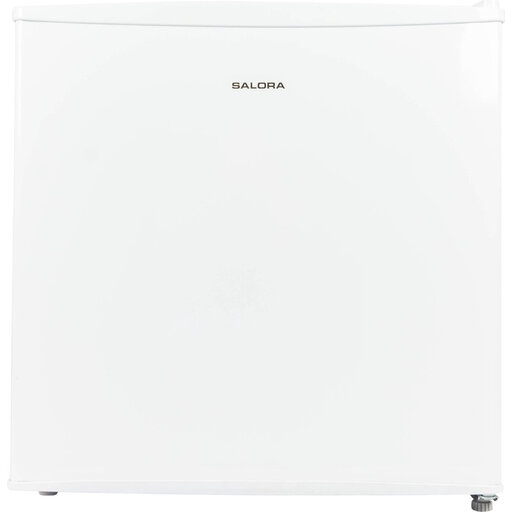
Salora FRB3200WH compact under-counter freezer

Salora FRB3200WH

The stated four-star rating and freezing capacity of 2 kg/24 hours make this compact model worth considering for smaller amounts of sauce.

Capacity of 31 l and two compartments separated by a wire shelf.

Joybuy
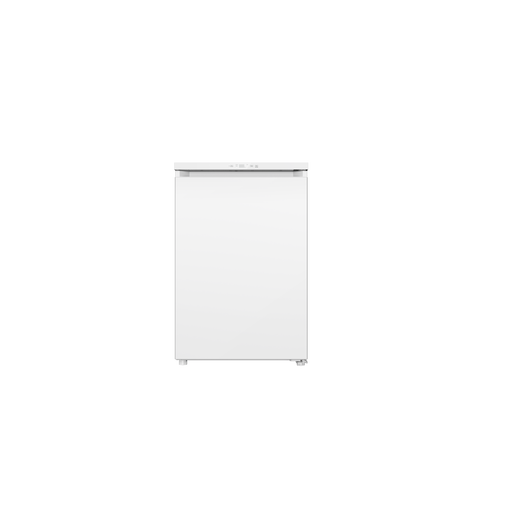
Frilec BREMEN138-NF-050DW under-counter freezer with No Frost

Frilec BREMEN138-NF-050DW

The product description lists a four-star rating and freezing capacity of 5 kg/24 hours for freezing cooled portions.

This model has No Frost and Fast Freeze, one freezer compartment and a stated ambient temperature range of 10 °C to 43 °C.

Joybuy
CHiQ JR99DWE 99 l chest freezer

CHiQ JR99DWE

The four-star rating and freezing capacity of 4.5 kg/24 hours are useful if you want to store other food as well as sauce.

Capacity of 99 l, a wire basket and stated energy consumption of 169 kWh per year. A chest freezer may make individual small portions harder to organise than a model with drawers.

Joybuy

Frequently asked questions

How long can tomato sauce keep in the fridge without freezing?

You can keep cooked sauce chilled if you cool it quickly and put it in a sealed container in a fridge at 4 °C within two hours. Eat cooked leftovers within two days. If you want to keep them for longer, freeze them in a suitable appliance.

How should you store and defrost frozen sauce for lunch?

Divide the cooled sauce between clean, lidded containers and label them with the date. Ideally, defrost the sauce covered in the fridge or use your microwave’s defrost setting. Then heat the leftovers thoroughly, stirring as they warm up.

Can you keep a compact freezer in an unheated room?

It depends on the stated ambient temperature for the exact model. Inventum gives a minimum of 10 °C for the VR550; Beko says the FNE1074N works down to −15 °C. Don’t assume that one model’s suitability applies to another.

Is two years the full statutory guarantee for a freezer in the Netherlands?

No. According to the Dutch government, there’s no fixed period for the Netherlands’ statutory guarantee: a product must meet the standard you could reasonably expect of it. If a product is faulty, contact the retailer; any manufacturer’s guarantee is in addition to this.

Can you hand in your old freezer when you buy a new one?

In the Netherlands, when you buy a new, similar appliance as a private customer, the old-for-new scheme applies. The Dutch government says the shop must take the old appliance free of charge. The scheme also applies to online purchases if the delivery driver can’t take it away immediately.
