
Vandaag of morgen in huis

Kwaliteit gegarandeerd

Welkomstaanbiedingen ontgrendelen: GRATIS bezorging | Tot 80% korting | Gratis 30 dagen JoyPlus-proefperiode
Download de app
A jar of tomato sauce seems like a straightforward purchase, but the supermarket aisle is packed with options. From traditional Italian sauce to Asian hotpot bases, the variety is immense. Unfortunately, this often leads to disappointing purchases. Many products entice with attractive packaging but fail to deliver the flavour or quality you expect. Let's explore the most common pitfalls so you can make an informed choice next time.
To avoid a bad buy, it's helpful to know what to look for. Focus on these three concrete points instead of marketing claims.
The foundation of any good tomato sauce is, of course, the tomato. Its quality and processing determine the flavour and texture. Look for the following terms on the ingredients list:
A higher percentage of tomato pulp or passata usually indicates a higher quality product.
A quick glance at the ingredients list tells you more than the front of the package. Are you looking for a sugar-free tomato sauce? Then check that "sugar" or variants like glucose syrup are not high on the list. Tomatoes contain natural sugars, but added sugars are often unnecessary.
The same goes for salt. A high salt content can mask the pure tomato flavour. A good sauce has a balanced ingredient list where the tomato plays the leading role, not the additives.
Tomato sauce is not one-size-fits-all. The consistency is crucial for the final result.
By choosing a sauce specifically designed for your dish, you increase your chances of a successful meal.
To help you get started, we've highlighted a few products that suit different needs and cooking styles.
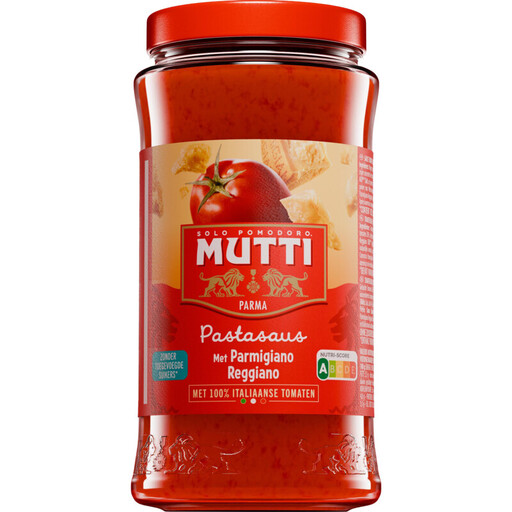
Why This Fits Their Persona: Ideal for busy professionals or families who want a nutritious and flavourful meal in minutes. The addition of real Parmigiano Reggiano cheese provides a deep, savoury taste, meaning you don't need to add extra ingredients.
This sauce avoids the vague marketing trap by highlighting a concrete, high-quality ingredient (Parmigiano Reggiano PDO). The flavour comes from pure ingredients, not from excessive salt or sugar.
Made with 100% Italian tomatoes; ready-to-use with a rich cheese flavour.
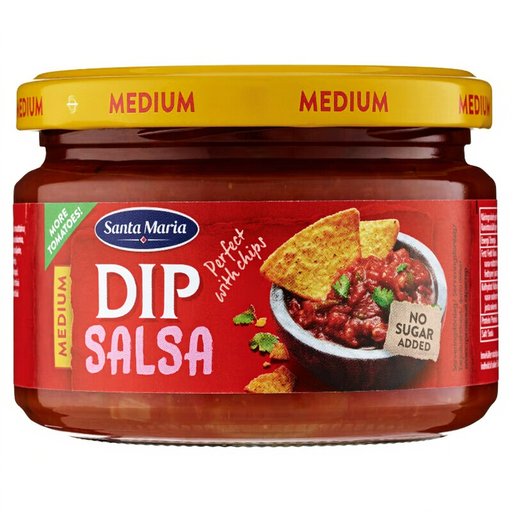
Why This Fits Their Persona: Perfect for those watching their sugar intake. This salsa sauce is a fresh and mildly spicy addition to Mexican dishes, or as a dip with vegetables and crisps, without the extra calories from added sugars.
This product directly tackles the "hidden sugar" trap. The ingredients list is clear and the "no added sugar" claim is based on the recipe, making it a transparent choice.
Contains no added sugars; versatile as a dip or as a base for cooking with tomato sauce.
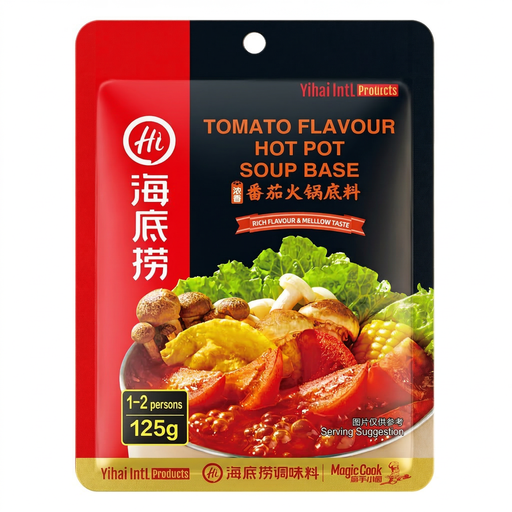
Why This Fits Their Persona: For the home cook who loves discovering new flavours. This hotpot base offers an authentic, sweet-and-sour tomato broth for an Asian fondue. It's a fun and easy way to create a restaurant experience at home.
Instead of a generic "world sauce," this is a specific tomato base for a Chinese dish. The single-serving package prevents waste and makes it approachable to try something new.
Specifically developed for hotpot; unique sweet-and-sour flavour; convenient single-serving package.
We have compiled a complete, up-to-date list of products that meet these strict selection criteria.
1. What is the difference between pasta sauce and pizza sauce? The main difference is thickness. Pizza sauce is typically thicker and more concentrated. This prevents the pizza crust from becoming soggy during baking. Pasta sauce is often more liquid, allowing it to mix well with the shapes of the pasta and create a smooth coating.
2. How long can you store an opened jar of tomato sauce? After opening, a jar of ready-made sauce can usually be kept for 3 to 5 days in the refrigerator. Make sure to seal the jar tightly and always use a clean spoon to prevent spoilage. Some packaging, like squeeze tubes, can extend the shelf life. Always check the label for specific storage advice.
3. Can I use tomato sauce as a base for other dishes? Absolutely. A simple tomato base or passata is an excellent starting point for more than just Italian sauce. You can use it for stews, curries, soups, or as a base for a Mexican chili. By adding your own herbs and vegetables, you can easily adapt the sauce for all kinds of international dishes. This is a great example of cooking with tomato sauce.
