
Vandaag of morgen in huis

Kwaliteit gegarandeerd

Welkomstaanbiedingen ontgrendelen: GRATIS bezorging | Tot 80% korting | Gratis 30 dagen JoyPlus-proefperiode
Download de app
Tomato sauce seems like a simple product, but the shelves are packed with options. From ketchup and pasta sauce to concentrated paste, the selection is vast. Unfortunately, this often leads to disappointment: a watery pasta sauce, a sickly sweet ketchup, or a paste that fails to give your dish the desired depth of flavour. As a Product Recommendation Officer at Joybuy, I'm here to help you make the right choices, based on facts, not marketing fluff.
Before you put a bottle or can in your basket, it's wise to know a few common pitfalls:
To avoid a bad purchase, pay attention to a few specific details on the label. These provide a much clearer picture of the quality than the marketing claims on the front.
The most important factor is the amount of tomato. Manufacturers often list this as "grams of tomatoes per 100 grams of product". The higher this number, the more concentrated and flavourful the sauce.
A quick look at the nutrition facts is essential, especially if you're health-conscious. Compare the grams of sugar and salt per 100 grams. A sugar-free ketchup can be a great alternative. These products often use sweeteners to maintain flavour but contain significantly fewer calories. Also, check the Nutri-Score, which gives a quick indication of nutritional value.
A short and understandable ingredients list is often a sign of quality. Watch out for unnecessary additives such as:
Not everyone has the same needs. That's why we've highlighted a few popular choices that suit different preferences and cooking styles.
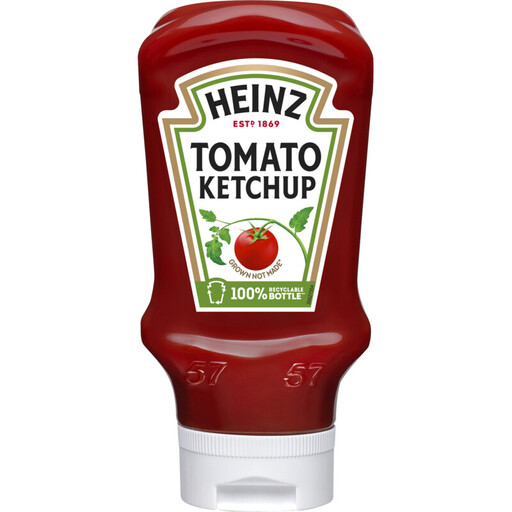
Why This Fits Their Persona: The classic, trusted flavour that appeals to almost everyone. Perfect with fries, on a grilled cheese sandwich, or a burger. The large 570 ml bottle is practical and economical for families who use ketchup regularly.
You know exactly what you're getting: a consistent flavour without unexpected spices or flavour enhancers. This product avoids the 'universal sauce' trap by positioning itself as a true ketchup.
Made with 148 g of tomatoes per 100 g of ketchup for a rich flavour. Contains no artificial colourants, preservatives, or thickening agents.
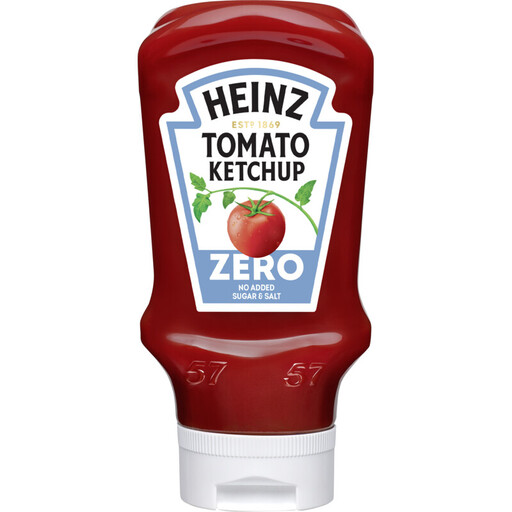
Why This Fits Their Persona: This sugar-free and salt-free ketchup is ideal for those who are mindful of their diet. According to Heinz, the flavour is unmistakable, but it fits within a balanced lifestyle. The product has a Nutri-Score A.
It directly addresses the pitfall of hidden sugars and salt. The ingredients list is transparent about the use of a sweetener (sucralose) and potassium chloride as a salt substitute.
Extremely low salt content (0.05 g per 100 g) and sugar content (4.4 g per 100 g). Made with a very high tomato content of 200 g of tomatoes per 100 g of ketchup.
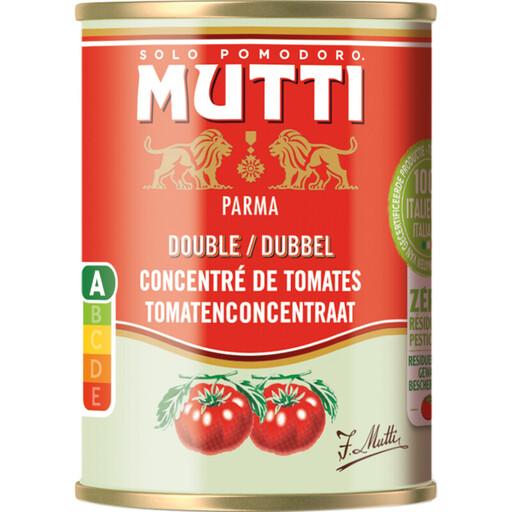
Why This Fits Their Persona: For those seeking a deep, authentic tomato flavour as a base for Italian dishes. This double-concentrated tomato paste is a pure ingredient that puts the cook in complete control.
This is not a ready-made sauce and thus avoids the trap of unnecessary seasonings and sugars. It's a foundational product, meant for you to season yourself. The short ingredients list (tomato, salt) is proof.
Highly concentrated: according to Mutti, 6 kg of fresh tomatoes are used to make 1 kg of paste. Made from 100% Italian tomatoes, which ensures an intense and rich flavour.
We have compiled a complete, up-to-date list of products that fully meet these strict selection criteria.
Tomato paste is cooked-down and sieved tomato, highly concentrated and intended as a flavour base. Passata is sieved raw or lightly cooked tomato, thinner than paste, and a pure base for sauces. Ketchup is a sauce based on tomato paste, vinegar, sugar, and spices, intended as a ready-to-use condiment.
This depends on the product. A concentrated paste from a can, once opened and transferred to a sealed container, will last for about 5–7 days. Ketchup and other sauces with preservatives (like vinegar and sugar) often stay good for several weeks to months. Always check the label for specific storage advice.
Yes, in most cases you can. Keep in mind that the taste may be slightly different. Because sugar-free ketchup often contains sweeteners, the sweetness might react differently when heated. For cold applications or as a dipping sauce, it's an excellent substitute. For hot dishes, like marinades, it's best to test a small amount first.
