
Vandaag of morgen in huis

Kwaliteit gegarandeerd

Welkomstaanbiedingen ontgrendelen: GRATIS bezorging | Tot 80% korting | Gratis 30 dagen JoyPlus-proefperiode
Download de app
Tomato sauce. It seems so simple, yet the supermarket aisle is packed with jars and cans all vying for your attention. From simple passata to complete meals like white beans in tomato sauce. How do you choose the right one without falling into the usual traps? As a Product Recommendation Officer at Joybuy, I'll help you decode the labels and make a choice that suits your dish and your budget.
Before you put a jar or can in your basket, it's wise to be aware of a few common deceptions.
To make a good choice, you only need to pay attention to a few objective points on the label.
The foundation of any good tomato sauce is, of course, the tomato. Look at the tomato percentage on the ingredients list. This can range from tomato pulp and sieved tomatoes to tomato concentrate. A higher percentage of pure tomato (pulp or passata) generally leads to a richer, fresher taste. Concentrate is used to make the sauce thicker and more intense, but a sauce made primarily from concentrate and water often lacks the depth of fresh tomatoes.
A short, clear ingredients list is usually a good sign.
The packaging affects the taste and shelf life. Canned tomato sauce is light-proof and has a long shelf life, which preserves the flavour well. Glass is inert and doesn't impart any flavour, plus you can see the product. Cardboard cartons are a lightweight alternative. The choice is personal, but with cans, check for dents or damage.
Below are some popular choices, matched to different needs and preferences.
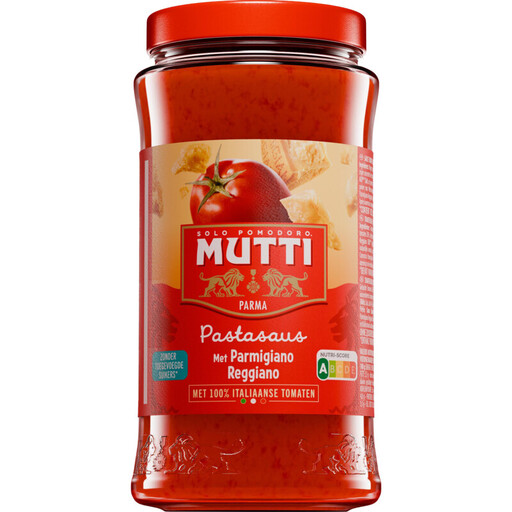
Why This Fits Their Persona: For those who are short on time but don't want to compromise on flavour. This ready-to-use pasta sauce is a quick, high-quality base for an Italian meal after a long day at work.
The claims are specific: "100% Italian tomatoes" which, according to Mutti, are processed within 24 hours of harvesting. The ingredients list is clear, with real Parmigiano Reggiano cheese instead of vague "cheese flavourings".
Rich, savoury flavour from the addition of 4% Parmesan cheese. It has a Nutri-Score A and is ready to use straight from the jar.
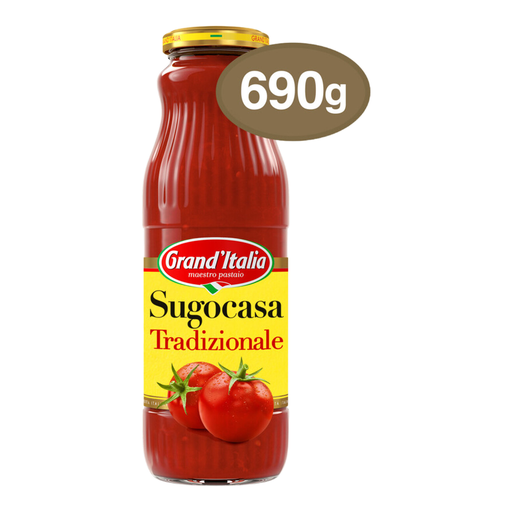
Why This Fits Their Persona: Ideal for those who like to be in control. This is a pure, unseasoned base (sugocasa) that you can use for lasagna, soup, or your own unique pasta sauce.
No hidden sugars or complex spice blends. It's a pure tomato base. Grand'Italia's claim that the tomatoes go from field to bottle within 48 hours is a concrete quality indicator, not a vague marketing term.
Made from 100% natural ingredients, fat-free, and naturally low in sugar. The large 690g jar is perfect for family meals.
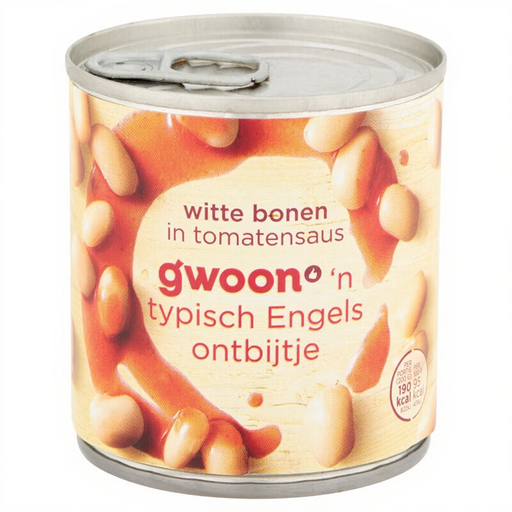
Why This Fits Their Persona: A quick, nutritious, and very affordable meal. Perfect on toast, with a fried egg, or as a base for a quick chili sin carne. A classic pantry staple.
This product is exactly what it promises: white beans in tomato sauce. No pretences, no misleading terms. The ingredients list is short and the nutritional values are clear.
Rich in protein (6 g) and fibre (5 g) per 100 grams. A very economical and filling meal solution with a long shelf life.
We have compiled a complete, up-to-date list of products that meet these selection criteria and current regulations.
Passata is a pure, sieved tomato base without herbs or extra ingredients. It's the ideal starting point for your own sauce. Pasta sauce (or sugo) is a ready-to-use sauce that has already been flavoured with herbs, vegetables, and sometimes cheese or meat.
An opened jar of tomato sauce can typically be stored in the refrigerator for 3 to 5 days. Seal the jar tightly. To extend its shelf life, you can pour a thin layer of olive oil on top of the sauce. You can also freeze leftovers in a suitable container or ice cube tray for later use. Always check the instructions on the packaging.
Not necessarily. An organic tomato sauce guarantees that the tomatoes were grown without synthetic pesticides, which can be an important consideration. However, it says nothing about the taste, sugar content, or the quality of the tomato varieties used. A non-organic sauce made from sun-ripened, high-quality tomatoes with a pure ingredients list might be a better choice than a watery organic sauce with a lot of added sugar. It's always important to read the label.
