
Vandaag of morgen in huis

Kwaliteit gegarandeerd

Welkomstaanbiedingen ontgrendelen: GRATIS bezorging | Tot 80% korting | Gratis 30 dagen JoyPlus-proefperiode
Download de app
Tomato sauce. It's a staple in almost every kitchen pantry. From a quick pasta after a long day to the base for an elaborate weekend stew. But the supermarket shelves are crowded with jars and bottles, all screaming for your attention. One promises an "authentic Italian taste," while another is "100% natural." It's easy to make the wrong choice and end up with a watery, sugar-laden sauce.
Before you make a decision, it's wise to understand a few common pitfalls. This will help you ensure you're paying for quality, not just marketing.
To avoid a bad purchase, pay attention to a few concrete details on the label. These provide a much clearer picture of what you're buying than the marketing claims on the front.
The foundation of any good tomato sauce is, of course, the tomato. The ingredients list tells you exactly how the sauce is constructed.
A quick glance at the nutritional information can be very revealing. Compare the "of which sugars" line per 100 grams. A traditional tomato ketchup, for example, can contain over 20 grams of sugar per 100 grams, whereas a basic pasta sauce often stays below 5 grams. If you want to limit your sugar or salt intake, reduced-content versions are available. An organic tomato sauce is not necessarily low in sugar or salt either; always check the label.
Consider what you'll be using the sauce for.
To help you get started, we've highlighted a few products that suit different needs and preferences, based on their specifications.
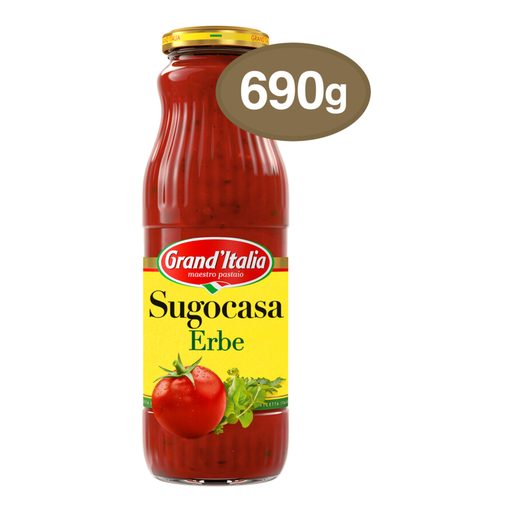
Why This Fits Their Persona: Ideal for those who love to cook but want a high-quality head start. This sauce serves as a rich and flavourful base for a homemade pasta sauce, lasagna, or soup, without you having to start from scratch.
This sauce bypasses the sugar trap with only 2.6 g of sugar per 100 g. Its rich texture comes from a high tomato content (75% tomato and 18% concentrate), thus avoiding the watery disappointment.
Made with 100% natural ingredients, according to the brand. Fat-free and suitable for a gluten-free or vegan diet.

Why This Fits Their Persona: Perfect for students, busy professionals, or anyone who wants to put a quick, nutritious, and affordable meal on the table. Just heat it up and serve it on toast or with a piece of meat.
This product is exactly what it says it is: white beans in tomato sauce. No misleading marketing. The ingredients list is short and clear, with 68% white beans and 5.8% tomato puree.
A source of protein and fibre. A very budget-friendly and convenient meal component with a long shelf life.
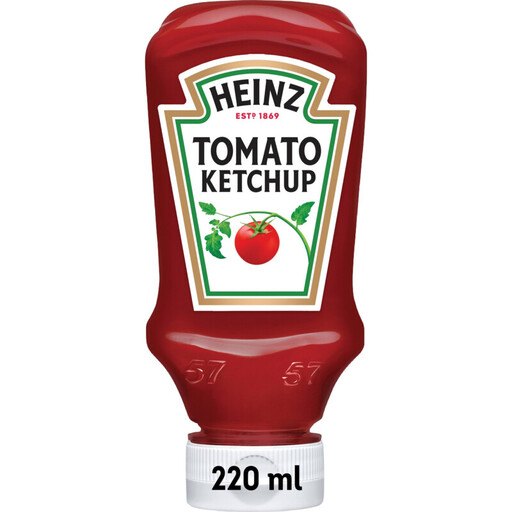
Why This Fits Their Persona: For those looking for that classic, familiar taste with a grilled cheese, fries, or hamburger. This is the gold standard for tomato ketchup that many know and love.
Heinz is transparent about its ingredients. While it contains sugar (22.8 g per 100 g), this is what creates its signature taste. You know what you're getting. For those who want less sugar, Heinz also offers a version with 50% less sugar.
The unmistakable flavour the brand is famous for. According to Heinz, it's made from 148 g of tomatoes per 100 g of ketchup, which ensures an intense tomato taste.
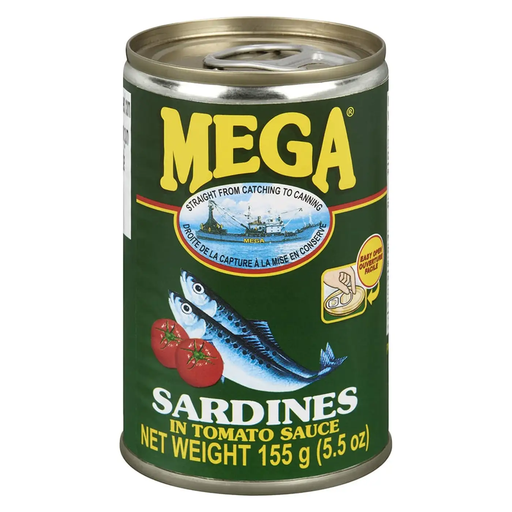
Why This Fits Their Persona: For those who want to try something different from the standard pasta sauce. This product combines the savoury taste of fish with a mild tomato sauce, a popular combination in many Asian and Southern European cuisines.
This is a specialty product that doesn't pretend to be a universal sauce. The ingredients are clear: 53% sardines and a sauce based on 6% tomato puree. It's a ready-to-eat dish, not a base product.
A quick, protein-rich meal (10 g of protein per 100 g). Ready to eat with rice or on bread, or as an ingredient in a stir-fry.
We've compiled a complete, up-to-date list of products that meet these selection criteria and comply with current regulations.
Although they are all made from tomatoes, they differ in texture and application. Tomato puree (or paste) is highly concentrated and used in small amounts to give dishes a deep tomato flavour. Passata is an uncooked, sieved tomato pulp without skins or seeds, which forms a smooth base for soups and sauces. Tomato sauce is a ready-to-use product that has already been cooked and seasoned with salt, sugar, and sometimes herbs.
Once opened, a jar of tomato sauce can typically be kept in the refrigerator for 3 to 5 days. Seal the jar tightly. To extend its shelf life, you can transfer the sauce to a clean, sealable glass or plastic container. You can also freeze leftovers, for instance in an ice cube tray, for later use in smaller portions. Always consult the instructions on the packaging for specific storage advice.
An organic tomato sauce is produced without the use of synthetic pesticides and artificial fertilisers. For many people, this is an important consideration. However, it does not automatically mean the sauce is healthier in terms of sugar or salt content. An organic sauce can still contain a lot of sugar. If you want to make a conscious choice, it is advisable to look at both the organic certification and the nutritional information.
