
Vandaag of morgen in huis

Kwaliteit gegarandeerd

Welkomstaanbiedingen ontgrendelen: GRATIS bezorging | Tot 80% korting | Gratis 30 dagen JoyPlus-proefperiode
Download de app
A good tomato sauce is the foundation of countless dishes, from a quick pasta to a rich stew. But the supermarket aisle can be overwhelming. Passata, sugo, purée, with or without herbs—the selection is vast. Unfortunately, this often leads to two common purchasing mistakes:
This guide will help you see through the marketing and choose the right tomato sauce for your kitchen, based on objective characteristics.
Not all tomato sauces are created equal. The type of product determines its texture, flavour intensity, and ideal use.
A quick look at the label tells you everything you need to know.
Based on product specifications and intended use, we've selected several popular choices for different types of home cooks.
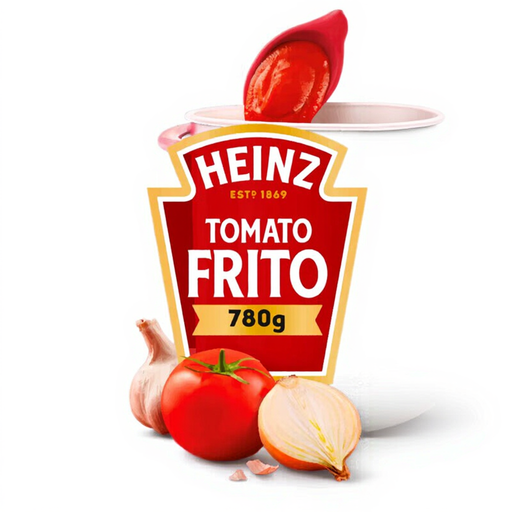
Why This Fits Their Persona: Ideal for busy families looking for a quick, flavourful, and versatile base. This sauce can be used directly for pasta, lasagne, or as a starting point for a curry, without you having to spend hours in the kitchen.
This is more than just a simple tomato sauce. According to Heinz, the base is made by simmering garlic and onion in oil for 2.5 hours, which yields a richer flavour than many standard ready-made sauces. It avoids the trap of a flat "convenience flavour."
Large 780g container, ideal for family meals. Nutri-Score A and gluten-free.
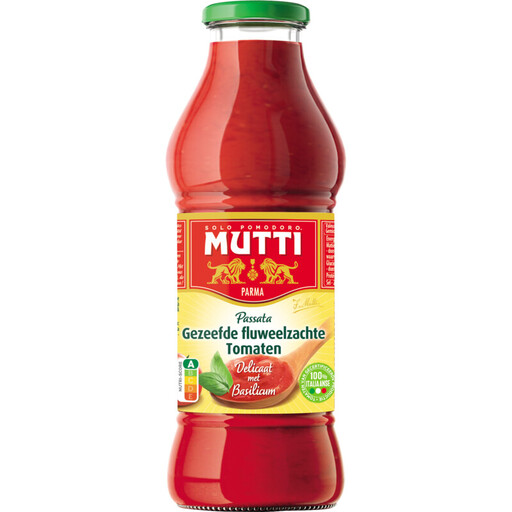
Why This Fits Their Persona: For the chef who likes to be in control. This passata provides a pure, high-quality base of Italian tomatoes, allowing you to build the perfect sauce yourself with fresh herbs, vegetables, and spices.
This product bypasses the trap of overpriced and over-seasoned ready-made sauces. It's a 'blank canvas' that doesn't lock you into a pre-made flavour profile, saving you money and yielding a more authentic result.
According to the brand, it's made from 100% Italian tomatoes processed within 24 hours of harvesting. The ingredients list is short and pure: 99% tomato, salt, and a hint of basil.
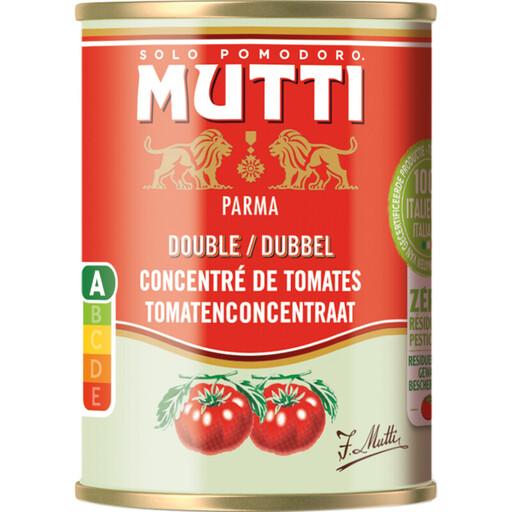
Why This Fits Their Persona: Essential for those who want to create deep, intense flavours in dishes like bolognese, goulash, or stews. This isn't a sauce, but a powerful base for flavour and colour.
This product prevents the watery results you get when using passata or chopped tomatoes where concentration is needed. It's the right tool for the job, saving you from having to reduce unnecessary amounts of sauce.
Highly concentrated: according to Mutti, 6 kg of fresh tomatoes are used to make 1 kg of purée. The ingredients list is minimalist: tomato (99.5%) and salt.
We have compiled a complete, up-to-date list of products that meet these selection criteria and comply with current regulations.
In short: tomato purée is a thick, concentrated product for depth of flavour. Passata is a smooth, pure tomato base, ideal for making your own sauce. Pasta sauce is a ready-to-use, seasoned sauce for immediate use.
Once opened, tomato sauce can typically be stored in the refrigerator for 3 to 5 days. It is advisable to transfer sauce from a can into a sealable glass or plastic container. Always check the instructions on the packaging and use your senses: look, smell, and taste (a small amount) if in doubt.
Not ideally. A pasta sauce that is too watery can make the pizza base soggy. A thicker passata or a specific pizza sauce often works better. Another great option is to dilute tomato purée with a little water and season it with oregano and garlic powder for a concentrated, flavourful base that isn't too wet.
