
Vandaag of morgen in huis

Kwaliteit gegarandeerd

Welkomstaanbiedingen ontgrendelen: GRATIS bezorging | Tot 80% korting | Gratis 30 dagen JoyPlus-proefperiode
Download de app
When you’re looking to buy tomato purée and tomato sauce online, you’ll quickly come across dozens of jars, tins and cartons with very similar names. Yet they differ significantly in texture, concentration, ingredients and how they’re used. Passata works differently from tomato concentrate, and a ready-made pizza sauce requires a different approach to Turkish tomato purée.
This guide helps you compare products on verifiable points, so you don’t end up paying for a pack that isn’t right for your recipe.
A 700 g or 830 g jar might look appealing, but concentrated tomato purée is often used in small amounts. For everyday cooking, a smaller pack can be more practical. So look at the price per 100g, the shelf life, and how much you actually need per dish.
Tomato sauce can be smooth, chunky, seasoned or highly concentrated. A smooth sauce is handy for pasta and soup, while chopped tomatoes give more texture to stews. A pizza sauce is usually spreadable straight away and doesn’t need to be reduced first.
Terms like “authentic”, “natural” or “Italian flavour” don’t tell you how much tomato is actually in the product. Check the ingredients list, the salt content, and whether any herbs or added sugar are included. According to the product description, Mutti Classica Pizza Sauce contains 82.4% tomato, water and salt – that’s more concrete than a general flavour claim.
Also check the allergen information on the pack. Product details can change, and what’s listed in an online shop isn’t always a substitute for the current label.
The right choice depends mainly on concentration, texture and ease of use.
Tomato percentage and concentration
A higher tomato percentage doesn’t automatically mean a product is right for every recipe. With purée, the concentration matters more than the volume. The product description for Mutti Double Tomato Purée states that up to 6 kg of fresh tomatoes are concentrated into 1 kg of purée. Use this type as a flavour booster, not as a full pasta sauce.
Ingredients and allergens
A short ingredients list makes comparison easier. According to the product information, B+ Passata is made from 100% pressed tomatoes. Mutti Tomato Pasta Sauce With Basil contains tomato pulp, passata, tomato concentrate, olive oil, onion and basil. If you follow a vegan or gluten-free diet, it’s a good idea to check the actual pack. A product description may contain additional or outdated information.
Packaging, content and storage
Pay attention to the net weight and the instructions after opening. Store opened products according to the label and use a clean spoon. Don’t use any jar, tin or carton that is leaking, bulging or visibly damaged. For a large format, a well-sealable pack is especially important, particularly if you only use a few spoonfuls per meal.
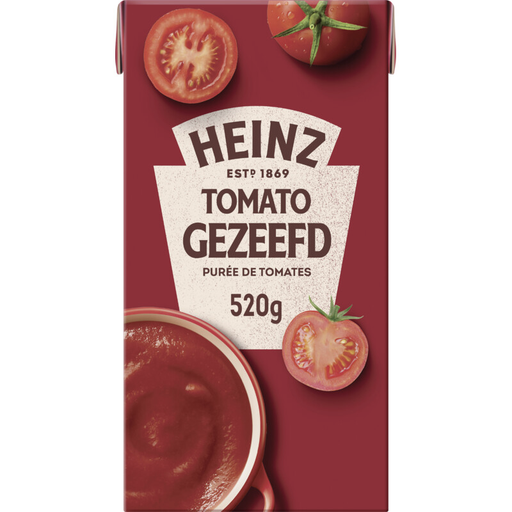
Why this fits the profile: The smooth texture makes this a simple tomato base for pasta, lasagne, soup and pizza. No need to sieve the tomatoes yourself.
The product information lists tomatoes and salt as ingredients. This makes the composition easy to check.
520 g pack, smooth texture and, according to the product description, free from the 14 major EU allergens.
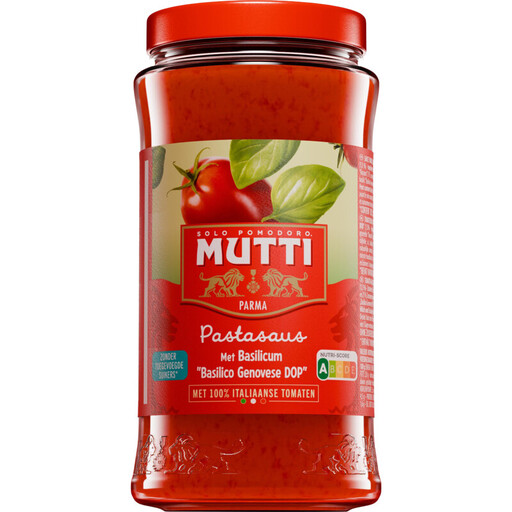
Why this fits the profile: This ready-made sauce combines tomato pulp, passata, tomato concentrate, olive oil and basil for a quick pasta meal.
You don’t need to add any separate herbs or tomato concentrate. The ingredients and proportions are listed in the product information.
Ready to use, made in Italy according to the product description, and listed as free from gluten and lactose.
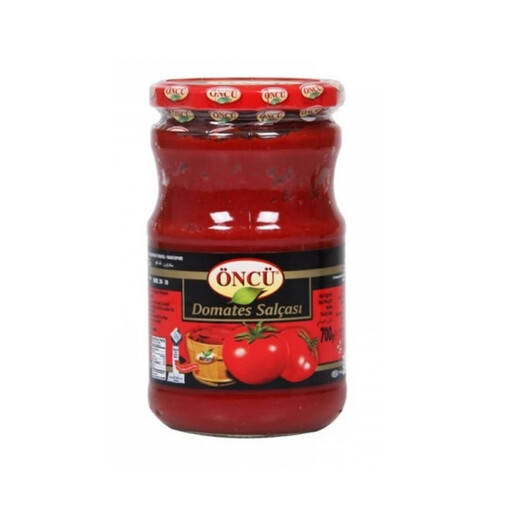
Why this fits the profile: The large glass jar is aimed at regular cooking with Turkish, Mediterranean and hearty stew dishes.
The product description mentions a double concentration and a Brix value of at least 28%. That gives more information than just the name “tomato purée”.
700 g pack; according to the product information, made with tomatoes and salt, and suitable for sauces, soups and stews.
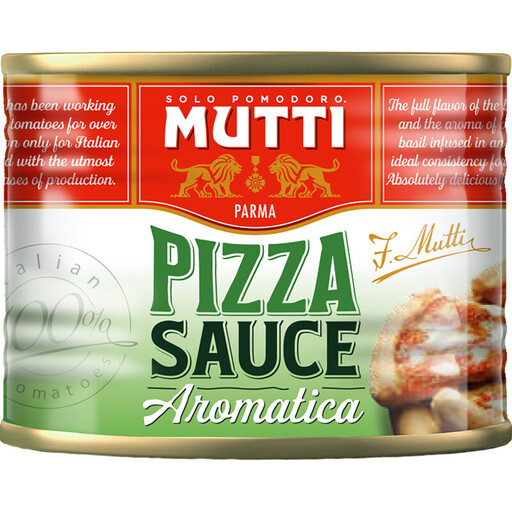
Why this fits the profile: The portion-sized pack can be spread straight over pizza dough and, according to the product information, contains basil, oregano and onion.
You don’t need to reduce a regular passata first or season it yourself. That limits excess moisture on the pizza base.
210 g pack, ready to use and, according to the product information, free from the 14 major EU allergens.
We’ve put together a full, up-to-date list of products that fully meet these strict selection criteria and current European safety regulations.
Passata is made from sieved tomatoes and is relatively runny. You use it as a base for pasta, soup or sauce. Tomato purée is much more concentrated and mainly adds colour and tomato flavour. Add purée in small amounts and dilute if needed.
That depends on the product and the packaging. Always follow the label. Store an opened product sealed and refrigerated, and use a clean spoon. If the product smells odd or the colour, texture or packaging changes, don’t use it.
Check the current ingredients list and allergen information. Some products are described as vegan or gluten-free, but recipes can change. A simple passata or tomato purée with only tomato and salt is often easy to assess. Check the pack before using the product.
