
Vandaag of morgen in huis

Kwaliteit gegarandeerd

Welkomstaanbiedingen ontgrendelen: GRATIS bezorging | Tot 80% korting | Gratis 30 dagen JoyPlus-proefperiode
Download de app
Tomato products are handy for a quick pasta, pizza, soup, curry or stew. Yet the difference between chopped tomatoes, passata, tomato purée and tomato sauce is greater than the label sometimes suggests. A wrong choice can lead to a watery sauce, too much salt, or a product that sits in the fridge after just one meal.
With this practical selection guide, you can focus on the content, ingredients, texture and intended use. This way, you compare tinned and jarred tomatoes on more than just brand or packaging.
Words like “natural”, “sun-ripened” or “authentic” don’t always tell you how much tomato is actually in the product. So check the ingredients list. According to the product information, B+ Organic Diced Tomatoes contains 65% tomatoes, tomato juice and citric acid. Heinz Natural Diced Tomatoes lists 80% tomatoes, tomato juice and citric acid.
Also look out for added sugar, oil, herbs and flavour enhancers. Especially in ready-made tomato sauce, pizza sauce and ketchup, these ingredients can significantly affect the taste and nutritional values.
Chopped tomatoes keep recognisable pieces and work well in chilli, curry and stews. Passata is sieved and smoother, so you can quickly make an even sauce or soup. Peeled tomatoes can be crushed by hand and are suitable for dishes that need longer cooking.
Tomato purée is concentrated. You usually use small amounts of it to add colour, flavour and thickness. So it’s not a direct substitute for passata or tomato sauce.
A 690g or 830g pack looks appealing for families, but only if you actually use the contents. Compare the price per 100g, the shelf life and the storage instructions. Once opened, a tin or jar shouldn’t usually stay in its original packaging for long. Store leftovers in a clean, sealed container and follow the label.
First, look at the tomato content, then at salt, sugar and oil. A simple product often contains tomatoes with juice and possibly citric acid or salt. A blended tomato sauce may also contain onion, carrot, basil, olive oil and herbs.
The nutritional value per 100g makes comparison easier. For example, B+ Passata lists 26 kcal and 0.05g salt per 100g. Mutti Tomato Pasta Sauce With Basil lists 56 kcal and 0.81g salt per 100g. That difference is partly due to the extra ingredients in the sauce.
If you’re looking for organic tomato products, check for the EU organic logo on the packaging. According to the product information, B+ Organic Diced Tomatoes and B+ Passata are produced in line with EU standards for organic farming. Always check the current packaging and ingredients list when buying.
With Italian tomatoes, it’s useful to see whether the label clearly states the origin. According to the product description, several Mutti products state that the tomatoes are Italian. However, an origin claim doesn’t automatically mean the product suits every recipe; texture and composition remain important.
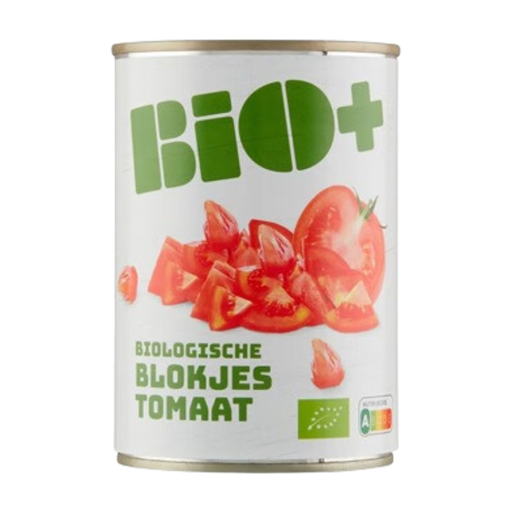
Why this fits the profile: A versatile pack for anyone who regularly cooks with chopped tomatoes in pasta, soup or stews.
The ingredients list is straightforward: tomatoes, tomato juice and citric acid. So you can see exactly what you’re buying.
400g per pack, organic according to the product information and 0.02g salt per 100g.
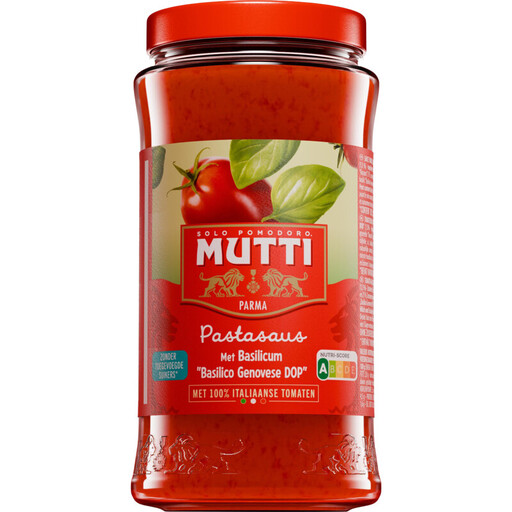
Why this fits the profile: Handy for anyone who wants to serve a seasoned tomato sauce with pasta without much preparation.
It’s a ready-made sauce, so you don’t need to buy passata and add your own herbs.
According to the label, it contains tomato pulp, passata, tomato concentrate, olive oil and 1.5% basil.
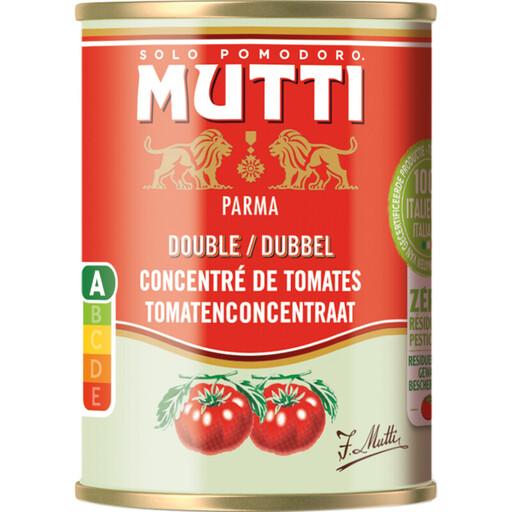
Why this fits the profile: Aimed at home cooks who want to add extra colour and concentration to sauces, soups and stews.
The concentrated form means you don’t have to boil down a large amount of thin sauce for extra tomato flavour.
140g, made from 100% Italian tomatoes according to the product information; suitable for both short and longer cooking times.
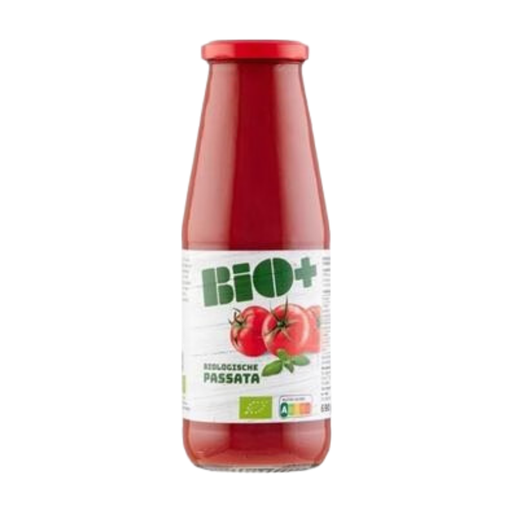
Why this fits the profile: A generous, smooth base for multiple portions of pasta sauce, soup or lasagne.
The ingredients list only mentions pressed tomatoes. There are no extra herbs or sweeteners to steer the base.
690g, smooth texture, organic according to the product information and 100% pressed tomatoes as the ingredient.
We’ve put together a full, up-to-date list of products that fully meet these strict selection criteria and current European safety regulations.
Passata is made from sieved tomatoes and has a smooth texture. Chopped tomatoes contain pieces of tomato and give more texture to curry, soup, pasta and stews. Choose passata for an even sauce and chopped tomatoes when you want the tomato to remain visible.
Pizza sauce is ready to use straight away and usually has a thicker texture. According to the label, Mutti Classica Pizza Sauce contains 82.4% tomato, water and salt. You can also use passata or finely chopped tomatoes, but let excess liquid boil off first to prevent a soggy pizza base.
Don’t keep opened tomato products in the tin for long. Transfer the contents to a clean, sealed container and refrigerate. Always follow the instructions on the packaging and check the smell, colour and texture before using leftovers.
