
Vandaag of morgen in huis

Kwaliteit gegarandeerd

Welkomstaanbiedingen ontgrendelen: GRATIS bezorging | Tot 80% korting | Gratis 30 dagen JoyPlus-proefperiode
Download de app
Fancy a quick meal with a sweet and sour tomato flavour, but not sure which packaging suits your situation? With tomato instant noodles, the products vary considerably in noodle type, portion size, preparation method and flavour intensity. A cup for the office works differently to a value pack for home.
Pay particular attention to three common pitfalls:
There are several types of Asian noodles with tomato flavour:
A cup is practical for a desk, student room or on the go. A sachet pack usually requires a pan and a bowl, but often gives you more control over the preparation.
The product name might boast “rich tomato flavour”, while the actual taste is determined by the ingredients list and the sachets inside the pack. So check:
With the Hefu Noodle Tomato Beef Flavor Noodles, for example, the product information states 40% tomato purée in the soup base and 75% beef in the beef pack. That’s a very different composition to a simple tomato-flavoured ramen with no meat component.
Also watch out for allergens. Many varieties contain wheat, gluten and soya. Some products also contain egg, sesame, peanuts, milk, celery or shellfish. Always check the packaging if you have allergies or dietary requirements.
A portion of around 90 to 130 grams is suitable for a quick lunch or light evening meal. Products of 160 grams or more, or varieties with beef and multiple toppings, can be more filling. That doesn’t automatically mean they’re right for everyone nutritionally.
Compare the nutritional information per 100 grams and per pack. This stops you confusing a small figure per 100 grams with the total amount in a large portion. In the product information provided, salt values range from around 2.5 to 6.5 grams per 100 grams. So don’t automatically add all the flavour sachets if you want a less intense broth.
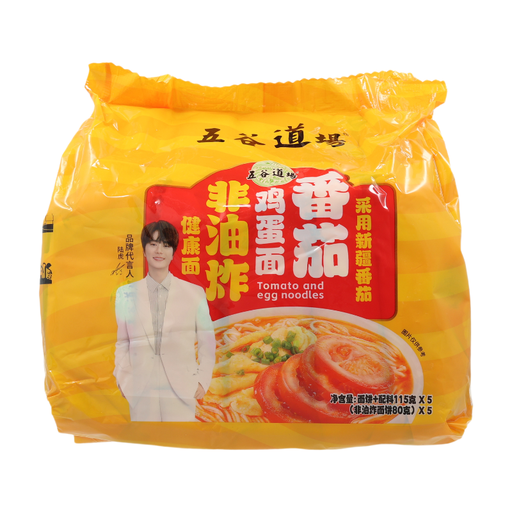
Why this fits the profile: Five individual 98g portions are practical for students, households and stocking the kitchen cupboard.
The portion size and total weight of 490g are clearly stated. The noodles are non-fried according to the product description, but do need to be boiled for around 3 to 4 minutes.
5-pack, classic tomato and egg flavour, and separate sachets for soup, sauce and vegetables.
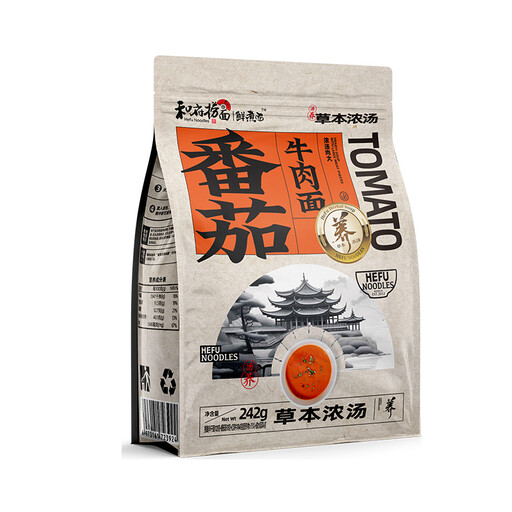
Why this fits the profile: Ideal for anyone looking for a larger meal with semi-dry wheat noodles, tomato soup and a separate beef pack.
The packaging separately states the tomato content of 40% in the soup base and the beef content of 75% in the meat product.
242g per pack, semi-dry noodles and beef as a separate component.
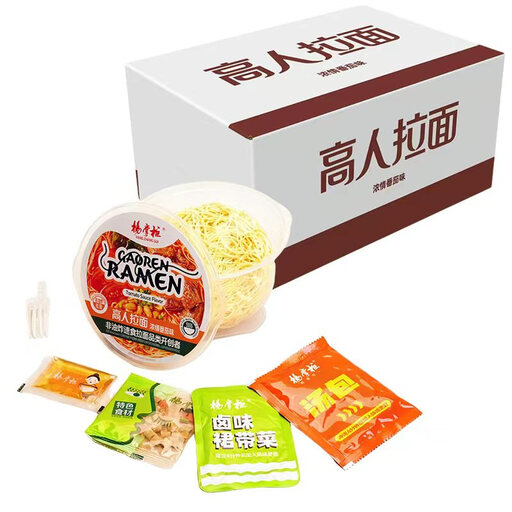
Why this fits the profile: A box of 12 pots suits frequent users, shared supplies or an office where multiple portions are needed.
The product information states a pot format, non-fried noodles and preparation with hot water. Do check the actual packaging, as a fork is not included.
12 pots, pot packaging and a complete set with sauce, oil, vegetables and seaweed.
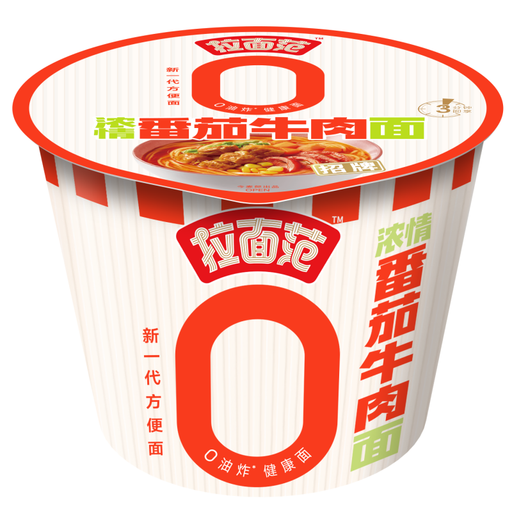
Why this fits the profile: The cup is handy when all you need is hot water, a kettle and a few minutes.
The instructions give a waiting time of 3 minutes and a clear fill line. This means no pan is needed, but check beforehand that your workplace has a kettle.
132g per cup, tomato and beef flavour, and dried vegetables with soya protein.
We’ve put together a full, up-to-date list of products that fully meet these strict selection criteria and comply with current European safety regulations.
Use the preparation method on the packaging as your starting point. For boiled varieties, you’ll usually need 500 to 550 ml of water and a cooking time of around 3 to 5 minutes. For cups, add water up to the fill line and leave the noodles covered to stand.
Only add the sauce sachets once the noodles are cooked if the instructions say so. With some products, the soup base can be heated separately. If you want to adjust the flavour, start with just part of the powder or oil. Feel free to add pak choi, egg, spring onion or tofu, but keep the allergens in the original packaging in mind.
No. Some varieties have a mild sweet and sour tomato soup, while other products contain chilli, Sichuan pepper or hotpot spices. Choose a description with “rich tomato” or “tomato beef” if you’re mainly after a full tomato flavour. For spicy tomato ramen, specifically check whether chilli is listed in the ingredients.
Store unopened instant noodles according to the date and instructions on the packaging, usually in a cool, dry place away from direct sunlight. Once opened, most varieties should be prepared and eaten straight away. Always check the individual best-before date; it can vary from product to product.
“Non-fried” describes the production method of the noodles, but it doesn’t tell you everything about the overall composition. Also look at the portion size, fat, sugar, salt and the contents of the flavour sachets. The product information for the item you choose will give you the verifiable data for that.
