
Vandaag of morgen in huis

Kwaliteit gegarandeerd

Welkomstaanbiedingen ontgrendelen: GRATIS bezorging | Tot 80% korting | Gratis 30 dagen JoyPlus-proefperiode
Download de app
Fancy a quick Asian meal but don’t have time to make soup from scratch? With tomato instant noodles, you can have a bowl of ramen or Chinese noodles on the table in just a few minutes. However, many packs look very similar. The differences often come down to the type of noodle, the amount of soup base, the portion size and the allergen information.
Words such as “rich tomato”, “beef” or “tonkotsu” mainly describe the flavour profile. So check the ingredients as well. Look, for example, at the percentage of tomato purée, whether beef or beef flavouring is included, and how many separate sachets there are.
With some instant noodles with tomato soup, the topping consists of dried vegetables or soya protein. That is different from a product with a separate sachet of braised beef. If you are specifically looking for tomato beef noodles, it is worth checking the product contents rather than simply looking at the front of the pack.
Non-fried noodles are dried differently from classic fried noodles. They may have a firmer or smoother bite, but the preparation method can vary: cooking in a pan, soaking in boiling water, or both.
Always check the preparation method and cooking time. A bowl that needs to stand for three minutes is convenient at work or in student accommodation. Semi-dry noodles that need to be boiled for three to five minutes first require a little more preparation.
A 5-pack of ramen is handy for stocking the cupboard, but check the weight per portion. A 98-gram pack is noticeably different from a 168-gram bowl. Also pay attention to the best-before date, storage advice and the amount of kitchen space available.
For households that eat noodles regularly, a multipack can be useful. If you only eat this type of meal occasionally, a single cup or sachet may help prevent waste.
There are roughly three practical options:
If you have limited kitchen equipment, a cup may be the best choice. For a firmer noodle texture, a product with wide, cut noodles or semi-dry noodles may be more appealing. Follow the instructions on the pack and fully cook products that require cooking.
Compare not only the amount of noodles, but also the composition of the flavour sachets. Hefu Tomato Beef Noodles, for example, state 40% tomato purée in the tomato soup base, along with a separate braised beef sachet containing 75% meat. This gives the product a different profile from tomato ramen where the beef flavour comes from herbs, stock or flavouring.
For Lamianfan Tomato Tonkotsu Ramen, the product information mentions tomato purée, pork bone flavouring and a separate seasoned slice, among other ingredients. According to the product description, this is a tomato and pork broth flavour, not a beef version.
Before buying, check the allergens on the current packaging. This category commonly includes wheat/gluten, soya, egg, peanuts and sesame. Recipes vary from one product to another, even when the flavour name is similar.
Also pay attention to salt, fat and portion size. Nutritional values are generally listed per 100 grams, while you eat the full portion. So multiply the values by the net weight of the portion to compare products fairly. The information in this guide is based on the product descriptions provided; if you have allergies, always check the label when your order arrives.
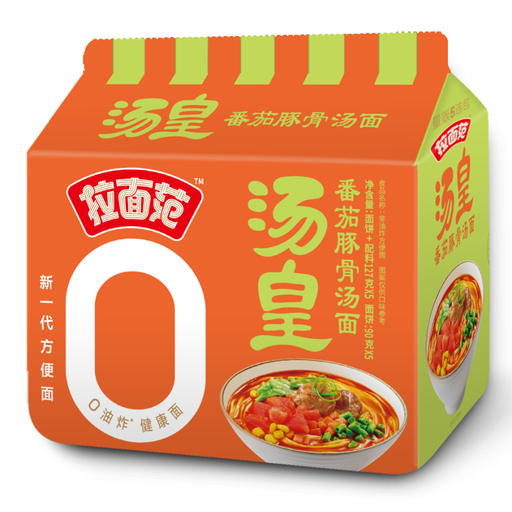
Why it suits this profile: Five individual portions are easy to manage for students, people setting up home and households looking to build up a supply of quick noodles. The preparation instructions state that the noodles should be soaked in boiling water for three minutes.
The product information clearly states that these are non-fried noodles and lists wheat, soya and sesame as allergens.
5-pack, 127 grams per portion and a separate soup base with tomato purée and pork bone flavour.
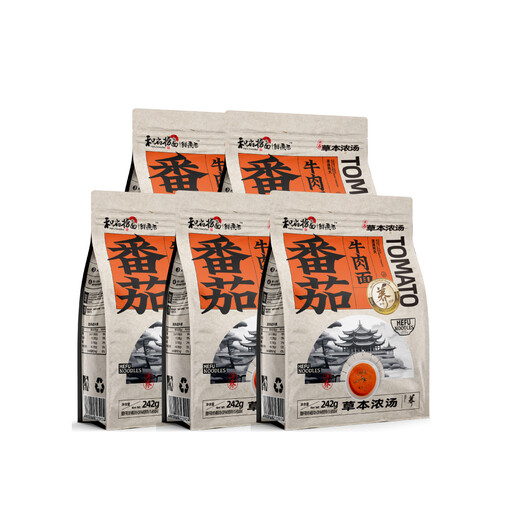
Why it suits this profile: Ideal for anyone looking for tomato soup along with a clearly specified beef topping and semi-dry noodles.
The specifications state that the soup base contains 40% tomato purée, while the separate beef sachet contains at least 75% meat.
5 portions, semi-dry wheat noodles and sachets containing beef, tomato soup and dried vegetables.
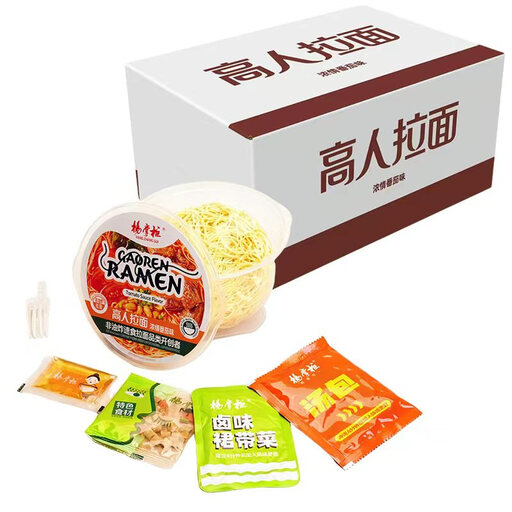
Why it suits this profile: The box of 12 bowls is well suited to offices, shared households or anyone who regularly uses a supply of quick noodles.
The pack contains 168-gram portions and the preparation instructions specify four to six minutes. No fork is included.
12 cup portions, non-fried wheat noodles and several sachets containing sauce, oil, vegetables and wakame.
First check whether you need a pan or just a kettle. For a cup, add water to the indicated line and wait for the stated time. For noodles in a sachet, you will usually boil the noodles separately or directly in stock. Add the sauce sachets according to the instructions; some manufacturers recommend mixing in the soup base only after soaking or boiling.
If you would like to add more to the meal, try pak choi, spring onion, a boiled egg or fresh bean sprouts. These additions do not change the basic preparation method, but they provide more variety in texture and flavour. Store unopened products in a cool, dry place away from direct sunlight. Use opened portions immediately unless the packaging states otherwise.
We have compiled a complete, up-to-date list of products that fully meet these strict selection criteria and the applicable European safety regulations.
The exact best-before date is printed on the packaging. Unopened noodles can generally be stored at room temperature when kept in a cool, dry place away from direct sunlight. Check the date and packaging before using the product.
No. The term may refer to a separate beef sachet, but it can also describe a flavouring, stock or beef flavour. Check the ingredients list and the stated meat content. Hefu, for example, lists a separate sachet of braised beef, while other products mainly describe a beef flavour.
“Non-fried” describes the production method and does not automatically say anything about the overall nutritional value. So also compare salt, fat, energy and portion size. The product information and current label provide the verifiable details you need.
