
Vandaag of morgen in huis

Kwaliteit gegarandeerd

Welkomstaanbiedingen ontgrendelen: GRATIS bezorging | Tot 80% korting | Gratis 30 dagen JoyPlus-proefperiode
Download de app
A 5-pack of tomato beef ramen is handy for busy weekdays, student kitchens and a quick Asian meal at home. However, these Chinese instant noodles can vary considerably. One pack may contain semi-dry noodles and a separate beef pack, while another mainly relies on tomato powder and beef flavouring.
If you only look at the front of the packaging, you could end up buying a product that does not suit your preferred portion size, preparation method or flavour. This practical guide helps you compare tomato beef noodles, non-fried noodles and instant ramen with tomato soup using verifiable product information.
The name may refer to a flavour profile, seasoning blend or beef flavouring. So always check the ingredients list. Some beef noodles list beef or braised beef as a separate component. Other varieties mainly use flavourings, stock powder or beef-style seasoning.
Pay attention to the quantity, too. A 112 or 131-gram pack is not automatically comparable to a 242-gram meal. The net weight and contents of the individual sachets provide a clearer picture.
Non-fried noodles are dried differently from fried noodles. This may be appealing if you are specifically looking for this preparation method, but it does not automatically mean that the whole product is low in salt, fat or calories. The soup base, oil and seasoning sachets all count.
So compare the nutritional values per 100 grams. In the product information provided, for example, the salt content ranges from approximately 2.5 grams in some Hefu varieties to 6.1 grams in Lamianfan tomato ramen. Always check the label on the pack you receive.
A 5-pack of ramen may consist of five portions weighing 107, 112, 123, 131 or 198 grams. A 112-gram portion may be enough for a light lunch; if you are looking for a more substantial bowl, it is better to check the net weight per sachet. A multipack is only good value if the portions suit the way you intend to use them.
The noodles have a major impact on the eating experience. Look out for these terms:
A 3-minute preparation time is convenient in the office, but check whether you need a saucepan. Hefu Tomato Beef Noodles, for example, require boiling and draining. Lamianfan varieties often use a fill line inside the pack and require a short standing time.
Do not just look for terms such as “rich tomato” or “tomato beef”. Check the percentage of tomato purée or tomato product. Several Hefu products list 40% tomato purée in the tomato soup. This is a specific detail, but it does not tell you exactly how sharp, sweet or spicy the soup will taste to you.
The base also varies: some products combine tomato with pork bone stock, while others use a spicy tomato beef sauce or a powdered mix. If you do not want pork, read the ingredients and flavour description particularly carefully.
For consumers in the Netherlands, allergens are an important purchasing consideration. The products mentioned contain, among other things:
Lamianfan Tomato Tonkotsu also states that the product contains sweeteners. Check the Dutch-language or European labelling on the packaging, particularly if you have allergies, intolerances or specific dietary requirements. Product information may vary between packs or import batches.
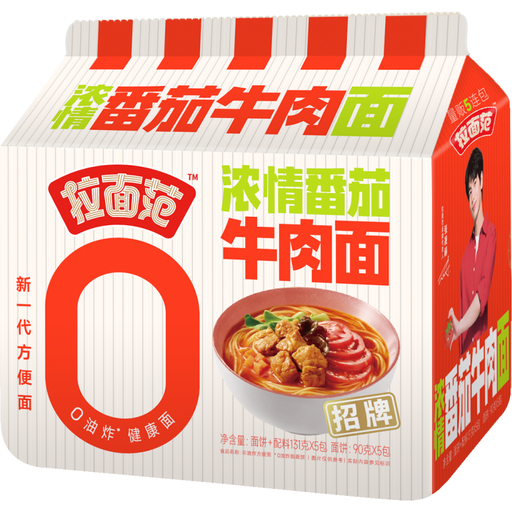
Why it suits this profile: A clearly presented five-portion pack that takes around 3 minutes to prepare. Handy for keeping in a student room or for a quick lunch at home.
The portion size is clearly stated as 131 grams per sachet, and the ingredients distinguish between the soup, powder and vegetable sachets.
Five individual portions, tomato purée in the soup base and dried vegetables. Please note: the product information lists 6.1 grams of salt per 100 grams.
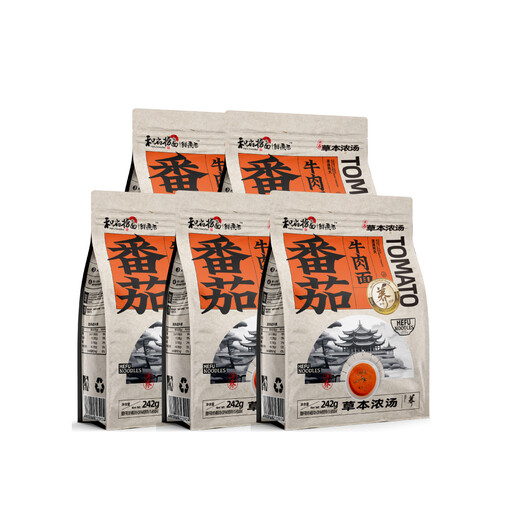
Why it suits this profile: Ideal if you want a more generous portion, semi-dry noodles and a separate pack of braised beef.
The product description states 242 grams per portion, 40% tomato purée in the soup base and a beef pack containing at least 75% solid content.
The ingredients include Australian wheat; the noodles are boiled for 3–5 minutes and the beef is heated separately.
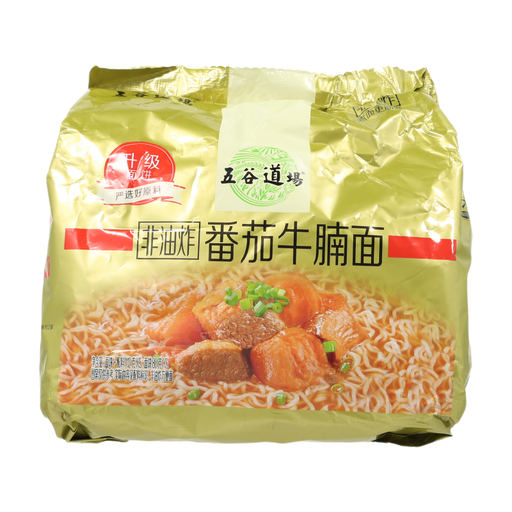
Why it suits this profile: A practical choice if you want to keep several portions of non-fried noodles in stock and are happy with a preparation time of around 3–5 minutes on the hob.
The label explicitly states that the noodles are non-fried and gives the weight as 112 grams per sachet. This makes the preparation method and portion size clear in advance.
Five individual sachets, tomato beef flavour, dried vegetables and nutritional information listing 416 kcal and 1,790 mg of sodium per 100 grams.
We have put together a complete, up-to-date list of products that fully meet these strict selection criteria and the applicable European safety regulations.
Always follow the instructions on the packaging. In general:
Store the 5-pack in a cool, dry place away from direct sunlight and moisture. Use an opened sachet immediately. The best-before date is printed on the packaging; check it upon delivery.
That depends on the portion size and ingredients. A 242-gram sachet contains more noodles and additional ingredients than a 112-gram sachet. Also check whether it contains actual beef, only beef flavouring, or mainly vegetables and seasoning. You can supplement the bowl with egg, tofu or extra vegetables, while taking the allergens on the label into account.
Most of the varieties mentioned are ready in around 3 to 5 minutes. Not every pack works in the same way: some noodles need to be boiled in a saucepan, while others are prepared in a bowl with boiling water. Also check the amount of water required, as this affects the thickness and intensity of the tomato soup.
Unopened sachets can be kept until the date shown on the packaging, provided they are stored in a dry, cool place away from direct sunlight. With semi-dry noodles, it is particularly important to follow the storage and usage instructions. Once opened, prepare the contents immediately and do not keep leftovers unnecessarily.
