
当日/次日达

品质保障

开启新人专享福利: 全场免邮 | 低至 2 折 | 免费试用 30 天 JoyPlus 会员
下载 Joybuy
Stocking up on toilet paper and tissues seems straightforward, until you have to decide which roll is right for a large family, which tissues feel comfortable on the face and which wipes can be safely flushed. A low price per pack does not always tell you much about the price per sheet or how convenient a product really is to use.
When comparing products, pay particular attention to these three common pitfalls:
Mistaking pack size for good value
A family pack or bulk pack of toilet paper may contain lots of rolls, but also check the number of sheets per roll, the weight and the number of layers.
Assuming “soft” means suitable for every use
Soft toilet paper is designed for personal use. Facial tissues, cotton face tissues and kitchen roll have different properties. Kitchen roll, for example, is designed for absorption and cleaning, not for use in the toilet.
Confusing “biodegradable” with flushable
Biodegradable tissues or baby wipes should not automatically be put down the toilet. Always follow the product packaging and the guidance for your local drainage or septic system.
With toilet paper, 4-ply toilet paper and 5-ply toilet paper indicate the thickness. More layers can create a stronger structure, but also look at the number of sheets per roll and the size of each sheet. A 140-gram roll and a 200-gram roll cannot be compared directly if the sheet dimensions differ.
For everyday household use, these are useful points to check:
A large number of rolls is particularly practical for families who prefer to shop less frequently. However, store toilet paper and tissues somewhere dry and away from moisture.
The choice between wood pulp, bamboo pulp and cotton depends on how you intend to use the product. Bamboo toilet paper and bamboo tissues may appeal to consumers looking for paper made from bamboo pulp. Check whether the product is unbleached and whether a certification is actually stated on the packaging or product page.
For example:
A brand’s claim about softness, skin-friendliness or sustainability should be understood as a product characteristic described by the manufacturer. A brand’s own research may support a particular performance claim or user experience, but this is not a general guarantee for every user.
Moist toilet paper is intended to complement dry toilet paper. Some products are described by the manufacturer as flushable, but use small amounts and check whether your drainage system allows this. Other wet wipes, including many baby wipes, must not be flushed, even when they are biodegradable.
For sensitive skin, fragrance-free tissues may be a sensible choice. Also check whether the product contains alcohol, dyes or optical brighteners. If irritation occurs, stop using the product and follow the instructions on the packaging. These are general precautions and not a medical assessment.
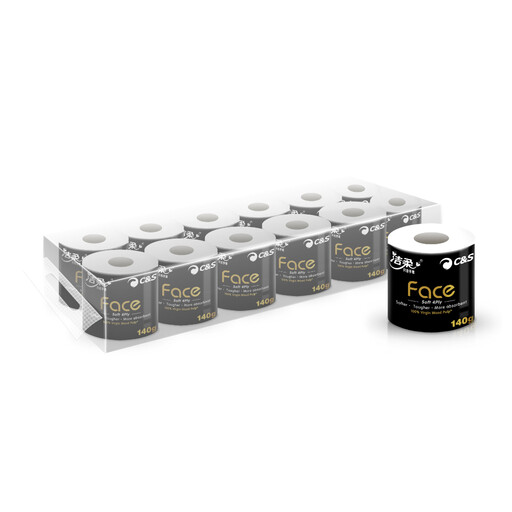
Why it suits this profile: A manageable pack of 12 rolls with 4 layers is practical for everyday use without immediately buying a very large supply.
The specifications state 4 layers, 140 grams per roll and an unscented composition. This lets you compare concrete details rather than relying solely on pack claims.
100% virgin wood pulp, 4 layers, 12 rolls and no added fragrance, according to the product information.
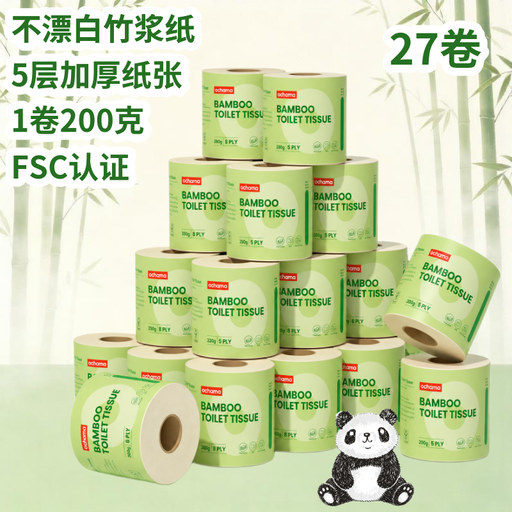
Why it suits this profile: If you are looking for thicker rolls and a supply suitable for the whole family, this family pack contains 27 rolls weighing 200 grams each.
The product information states 5 layers, approximately 200 sheets per roll and FSC certification. Because of its thickness, flush only one or two sheets at a time if your drainage system allows this.
100% unbleached bamboo pulp, 5 layers, 27 rolls and an FSC statement, according to the product description.
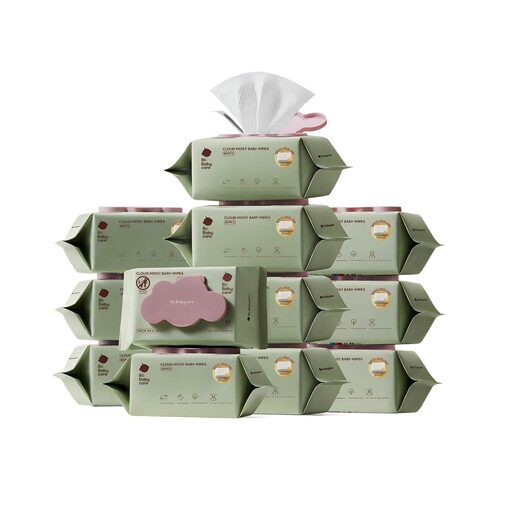
Why it suits this profile: Parents who change nappies frequently can choose 960 unscented wipes made with 99% purified water, according to the product information.
The packaging clearly states that the wipes must not be flushed. This prevents confusion between biodegradable fibres and suitability for use in the toilet.
12 packs of 80 wipes, fragrance-free, plant-based fibres and an OEKO-TEX statement in the product details.
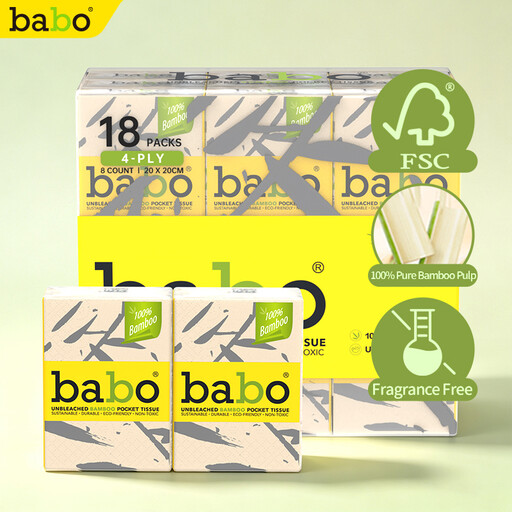
Why it suits this profile: These small pocket tissues are convenient for a coat pocket, handbag, school bag or daily commute.
The bundle contains separate mini packs with 4-ply paper, so you do not have to carry a large pack when you are out and about.
Unbleached bamboo pulp, 4 layers and 18 mini packs per bundle, according to the product listing.
For the face, facial tissues made from bamboo pulp or cotton are the most logical choice. According to the product information, the Purcotton versions are made from 100% cotton, are intended for dry and wet use and must not be flushed down the toilet. They may be suitable for facial cleansing, removing make-up or baby care.
For the toilet, as well as bamboo toilet paper, you can choose a 5-ply maxi roll, such as Nalys Excellence, or a textured paper such as Page Complete Clean. For FSC-certified paper, check the certification statement on the product page and packaging.
Use kitchen roll only for kitchen and household tasks. It is generally thicker and more absorbent than facial tissues, but that does not automatically make it suitable for flushing.
We have put together a complete, up-to-date list of products that fully meet these strict selection criteria and the applicable European safety regulations.
A family pack can reduce the price per roll or pack, but always compare the number of sheets, the weight and the thickness of the layers. For tissues, look at the total number of individual tissues rather than just the number of boxes.
Not as a rule. Some brands state that moist toilet paper is flushable, while baby wipes usually belong in the bin. Follow the packaging instructions and take your local drainage system into account. If in doubt, do not flush anything.
Store unopened packs in a dry, cool place. Keep wet wipes tightly closed so that they do not dry out. Do not place paper products directly on a damp bathroom floor or next to a radiator.
