
Vandaag of morgen in huis

Kwaliteit gegarandeerd

Welkomstaanbiedingen ontgrendelen: GRATIS bezorging | Tot 80% korting | Gratis 30 dagen JoyPlus-proefperiode
Download de app
A clean toilet doesn’t automatically require a cupboard full of products. Yet households, offices and hospitality venues regularly buy items that don’t match how they’re actually used. A large pack of toilet paper, for example, may offer little value if the paper tears easily. A toilet block might smell fresh, but it doesn’t replace targeted cleaning of limescale or dirt.
With this practical selection guide, you can compare toilet cleaning products and toilet paper on usage, contents, safety and maintenance costs. This way, you can make more informed choices from toilet cleaner, WC gel, WC bleach, toilet blocks, toilet paper and moist toilet tissue.
A toilet block or toilet tablets release fragrance when you flush and, according to the product description, may also release cleaning ingredients. That doesn’t mean the product removes all deposits. Stubborn limescale usually requires a separate anti-limescale toilet gel or toilet cleaner that you apply directly to the toilet bowl.
A pack with lots of rolls may seem good value, but also check the number of ply and the paper’s properties. 2-ply, 3-ply, 4-ply and 5-ply toilet paper differ in thickness, softness and sheets used per visit. For liquid products, the volume matters, but so does the dosage instruction. A larger bottle isn’t automatically cheaper if you need more product per clean.
Never mix WC bleach with acidic toilet cleaners, vinegar or other cleaning products. Dangerous fumes can be released. Always read the label, use the recommended amount and store products out of reach of children. For products containing bleach or acids, gloves and good ventilation are sensible precautions.
Use a toilet gel or toilet cleaner for visible dirt, rim stains and limescale. A gel often clings to the bowl wall longer than a thin liquid, but the effectiveness depends on the formula and the dwell time stated on the label.
A toilet block is mainly suitable for maintenance between cleans. Check how it attaches to the rim and position it so it doesn’t come loose or fall outside the water flow. For busy toilets in offices, schools, care facilities and hospitality venues, a duo or multi-pack can be practical.
Only use WC bleach when it’s suitable for the surface and you follow the instructions. Bleach can help tackle stains and odours according to the product description, but it’s not a substitute for mechanical cleaning with a brush.
When it comes to toilet paper, look at:
For moist toilet tissue, check the number of sheets per pack, the pack closure and the usage instructions. “Flushable moist wipes” should only be flushed if the packaging explicitly says so. Even then, flushing in small amounts is wise. In many homes and older plumbing systems, disposing of them in a bin is the safer choice to prevent blockages.
Products with bleach, acids or fragrance ingredients can cause skin and eye irritation. So check before you buy:
Claims about long-lasting freshness, anti-limescale action or a certain number of flushes come from the brand’s product information. Treat them as product specifications and always follow the label. The actual usage duration depends on flush frequency, water hardness and intensity of use.
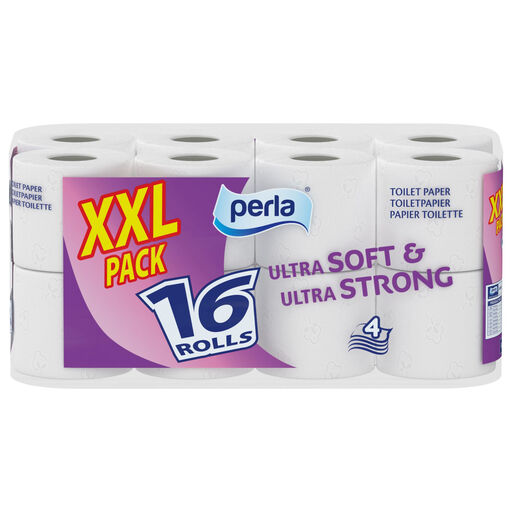
Why this fits the profile: A pack of 16 rolls with 4-ply paper offers a manageable stock for a household without requiring a very large storage commitment.
The number of ply and rolls is clearly stated, so you don’t have to rely on a general softness claim alone.
16 rolls; 4-ply version; suitable as a stock for daily use.
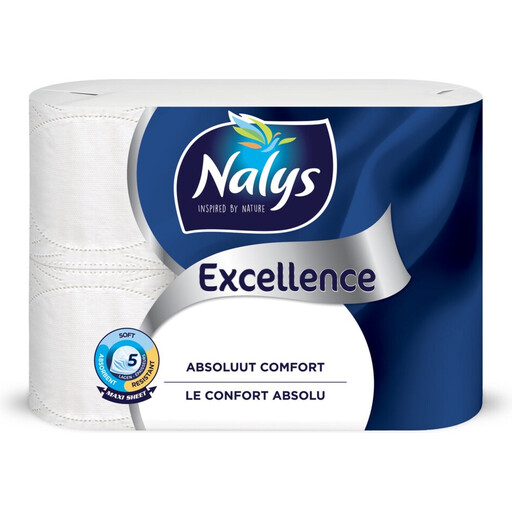
Why this fits the profile: For users who value extra-thick sheets and larger sheets, for example in a household that prioritises comfort.
The product information specifically mentions five soft layers and larger sheets, rather than just a general comfort promise.
5 ply; larger sheets; paper packaging.
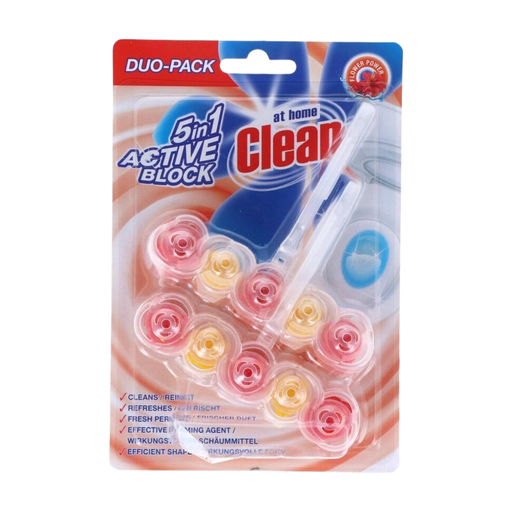
Why this fits the profile: The duo pack is practical for busy toilets in, for example, hospitality, education, care or an office environment.
The pack contains two blocks and states a 5-in-1 formula with bleach. This makes the product choice verifiable, but always read the safety information before use.
2 blocks of 45 g; 5-in-1 formula according to the product information; Flower Power fragrance.
A choice of toilet cleaning products and toilet paper only works well when the product suits the water hardness, flush frequency, storage space and user group. For a household, a compact stock is often sufficient; a school, care facility or hospitality venue mainly benefits from clear dosing and quick replenishment.
We’ve put together a full, up-to-date list of products that fully meet these strict selection criteria and comply with current European safety regulations.
Toilet cleaner is the broad product category. WC gel usually has a thicker consistency that can cling to the toilet bowl. Check the ingredients and the label to see whether the product is intended for limescale, everyday dirt or odour removal.
The lifespan varies by brand, formula and number of flushes. According to the product information from At Home Clean, one block can last up to 500 flushes. This is a brand claim; the actual duration may vary depending on water usage and intensity of use.
No. “Flushable” on the packaging is no guarantee that every sewer or plumbing system can handle large quantities without problems. Only flush small amounts if the label allows it. A bin next to the toilet reduces the risk of blockages.
