
Vandaag of morgen in huis

Kwaliteit gegarandeerd

Welkomstaanbiedingen ontgrendelen: GRATIS bezorging | Tot 80% korting | Gratis 30 dagen JoyPlus-proefperiode
Download de app
A toilet brush and holder will usually sit beside your toilet for years. Yet when buying one, people often focus only on the colour and price. This can lead to a toilet brush that quickly becomes misshapen, is difficult to keep clean or takes up too much space.
Look out for these four common pitfalls:
A practical choice starts with the technical details. Read on to find out what to look for in a toilet brush for your bathroom.
For everyday cleaning, firm plastic bristles are often a practical choice. Polypropylene, also known as PP, is commonly used for toilet brushes because it is suitable for use in damp environments. The shape of the brush head is just as important as the material.
A head with a narrow or curved side can help you reach under the rim. For example, the 37 cm blue toilet brush in the range has 25 mm-long PP bristles. According to the product specifications, these are designed to reach under the rim and along curved surfaces. Use this type of brush only for its intended purpose: cleaning the toilet bowl. For grout and narrow gaps, a separate grout and crevice cleaning brush is a better choice.
Measure the space beside your toilet before placing an order. Check:
According to the product details, a compact model such as the Alpina toilet brush and holder measures 10.4 x 10.4 x 35.8 cm. The 5five Onyx has a base measuring 9 x 9 cm and is 40 cm high. These dimensions can be useful in a narrow toilet, but always compare them with the space you have available.
Plastic is lightweight and usually easy to wipe clean. Ceramic, stoneware, polyresin or bamboo may suit a particular bathroom style better, but sometimes need more care to protect them from moisture and during cleaning.
A bamboo toilet brush can add a natural look. If you choose one, check the care instructions. According to the product information, the Bam Bamboo toilet brush and holder is made from bamboo and stainless steel and should be hand-washed. That’s different from choosing an option that needs no maintenance.
Also check exactly which parts are made from “stainless steel”. On some models, only the handle is stainless steel, while the bristles are plastic. So check the individual material specifications rather than relying on the product title alone.
Even a well-fitting toilet brush needs regular care. Rinse the brush after use, following the manufacturer’s instructions, and clean the holder periodically with a suitable cleaning product. Let as much excess water as possible drain away before putting the brush back.
Don’t use abrasive cleaners on painted, ceramic or plastic surfaces if the manufacturer advises against it. Replace the brush when the bristles are visibly misshapen or worn. A standalone toilet brush with a rim cleaner, such as the 36 cm Cleany model, can be a practical replacement if your holder is still in good condition.
For grout, taps, skirting boards and hard-to-reach edges, it’s better to use a separate toilet cleaning brush or a multi-purpose cleaning brush. This helps you avoid using the same brush on different surfaces.
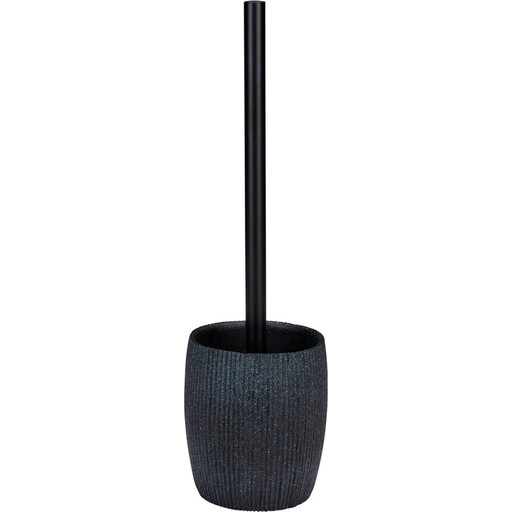
Why it suits this profile: A simple black toilet brush and holder for anyone looking for a compact, freestanding option without extra parts.
The product details list its dimensions as 10.4 x 10.4 x 35.8 cm, so you can check how much space it will need.
Plastic construction, a matt black finish, freestanding design and one complete set.
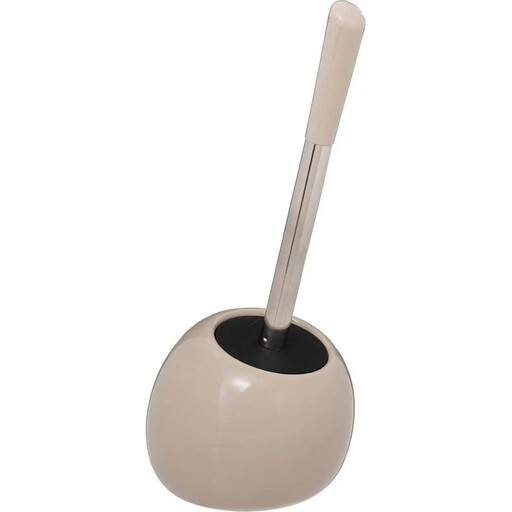
Why it suits this profile: For households looking to combine practicality with a ceramic holder and a calm beige look.
The materials are listed separately: ceramic for the holder, and stainless steel and polypropylene for the brush.
Dimensions of 35 x 15 x 34.8 cm, a weight of 860 grams and suitable for indoor use.
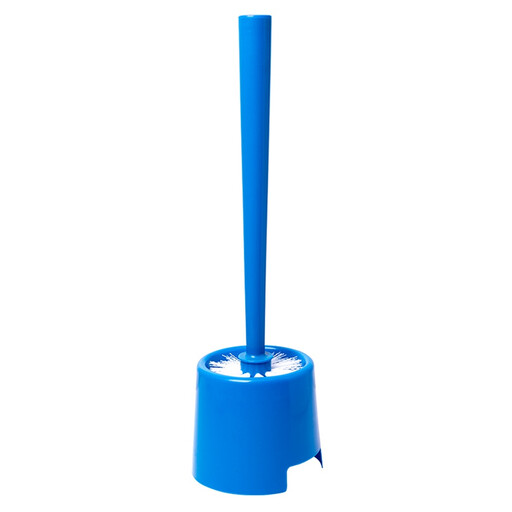
Why it suits this profile: A suitable choice for households, guest accommodation or washrooms where a firm brush and a dedicated holder are important.
The product specifications list the bristle length as 25 mm, the overall height as 37 cm and the base as 11.5 x 11.5 cm.
PP bristles, a compact holder and one set with a brush and stand.
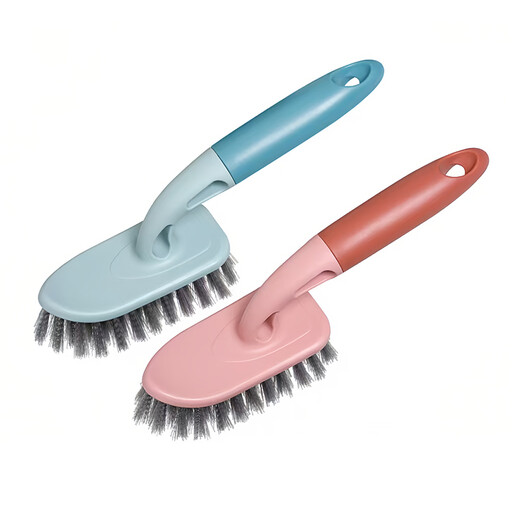
Why it suits this profile: For anyone who wants a separate brush for grout, narrow gaps, taps or other tight spaces as well as a toilet brush.
Using a separate cleaning brush means you won’t need to use your toilet brush on other surfaces.
Two brushes, PP+PET materials and suitable for a range of household cleaning tasks.
We’ve put together a complete, up-to-date list of products that meet these strict selection criteria and current European safety regulations.
Rinse the brush after use and clean both the brush and holder regularly, following the product instructions. Let the water drain away and keep the holder as dry as possible. Use a mild cleaning product if the material allows it.
Its lifespan depends on how often it’s used, the materials and how well it’s cared for. Replace the brush as soon as the bristles become misshapen, come loose or are difficult to rinse clean. Check the handle and holder for cracks or damage too.
A holder gives the brush a dedicated place to be stored and helps catch drips. A standalone toilet brush can be a good-value option if you already have a suitable holder. So compare more than just the price: consider the dimensions, brush head, materials and how easy it is to clean.
