
Livraison le jour même et le lendemain

Qualité garantie

Débloquez vos offres de bienvenue: Livraison GRATUITE | Jusqu'à -80 % | 30 jours d'essai gratuits à JoyPlus
Téléchargez l'application
Buying tofu and soy products might seem straightforward, but the range varies greatly in flavour, preparation, storage life and nutritional value. A packet of seasoned tofu for eating on the go calls for different qualities than tofu sheets for hotpot or instant Japanese miso soup for the office.
What’s more, packaging often uses terms like “authentic”, “traditional” and “high in protein” inconsistently. So always check the ingredients list, nutrition table, portion size and storage instructions. That way, you can avoid a product that turns out to be too salty, inconvenient to use, or unsuitable for your dish.
Dried tofu, tofu jerky, tofu snacks and tofu sheets all have different textures. Some products are soft and intended for soup or stir-fries. Others are firm, chewy and ready to eat straight away. So check whether the product is ready to eat or whether it needs to be soaked, cooked or chilled first.
With tofu snacks, a pack sometimes contains several small portions. That’s handy for taking with you, but compare the total contents and the price per 100 grams. A multi-pack with 7 to 8 sachets can be practical, while a large bag with different flavours is better for sharing.
Soy sauce, fermented tofu, mapo tofu sauce and seasoned snacks often contain flavourings that raise the salt content. That makes them suitable as a flavour accent, but less obvious as a main dish. Also check for allergens such as soya, wheat, gluten, sesame, fish and shellfish. Japanese miso soup, for example, may contain bonito or fish powder.
For snacks, products like tofu jerky, dried tofu and tofu strips are usually ready to eat as soon as you open the pack. The product description for HAO BA SHI Nanxi Tofu Jerky, for instance, states that it is ready to consume. The nutrition information shows 20.0g of protein per 100g and a net weight of 200g. The product does contain soya, wheat and sesame.
It’s different for cooking products. FRESHASIA Northern Dried Tofu, also known as tofu sheets or “thousand sheets”, must be stored chilled at 0–4°C and needs to be prepared. It is intended for stir-fries, hotpot, salads and as a wrapper for fillings.
“High-protein plant-based snacks” differ from one another. Laoli Five-Spice Dried Tofu states 24.4g of protein per 100g, while Wuxianzhai Spicy Bean Curd states 15g per 100g. That only tells you about the protein content; it’s not an overall assessment of nutritional value.
Also look at the first ingredients. If soya, soya protein or soya beans appear near the top, then soya makes up a significant part of the product. In some snacks, oil, sugar, starch or sauce also feature prominently in the list.
A chilled tofu product doesn’t belong in the cupboard. A shelf-stable snack product should be kept dry and out of direct sunlight. After opening, follow the instructions: some products must be consumed immediately, while others need to be kept in the fridge.
For mapo tofu, choose a sauce or seasoning mix that suits your cooking routine. Haidilao Ma Po Tofu Sauce comes in an 80g sachet and needs to be cooked with tofu. Hao Ren Jia Mapo Tofu Seasoning Mix contains three 80g sachets and includes bean paste, fermented black beans and Sichuan pepper. With both products, check the preparation steps and allergens such as wheat and soya.
The selection below is based on verifiable data such as contents, preparation, ingredients, nutritional values and storage. Taste remains a personal matter.
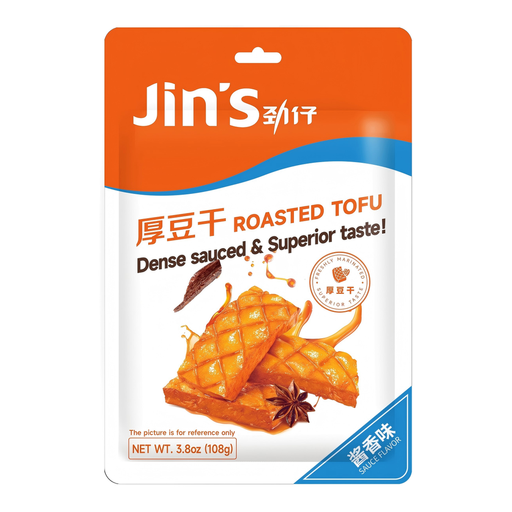
Why it fits this profile: This compact, ready-to-eat snack is ideal as a first introduction to seasoned tofu, with no cooking steps or extra ingredients needed.
The 108g net weight and portion pack make comparison easy. The product is ready to eat, so there’s no confusion about soaking or cooking.
Firm and chewy according to the product description, with a soy sauce flavour. States 15.5g protein and 1.71g salt per 100g.
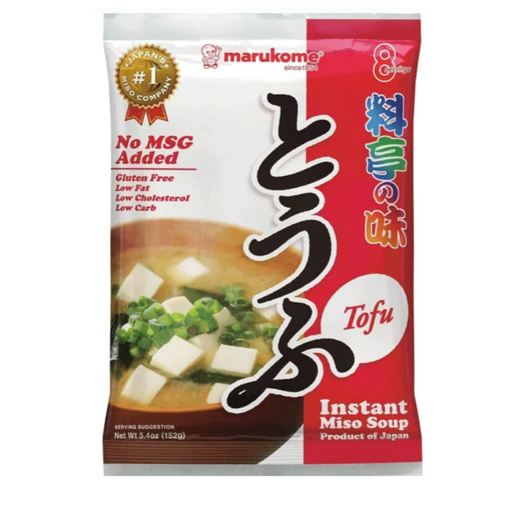
Why it fits this profile: Ideal for those looking for Japanese ingredients and a reliable store-cupboard portion for home, work or a quick meal.
The pack contains eight servings and the preparation is clear: just add hot water. The allergen list mentions soya and fish, so you can check the ingredients in advance.
Contains rice miso, wakame, dried tofu, spring onion, kombu extract and bonito powder according to the product information. Only hot water is needed.
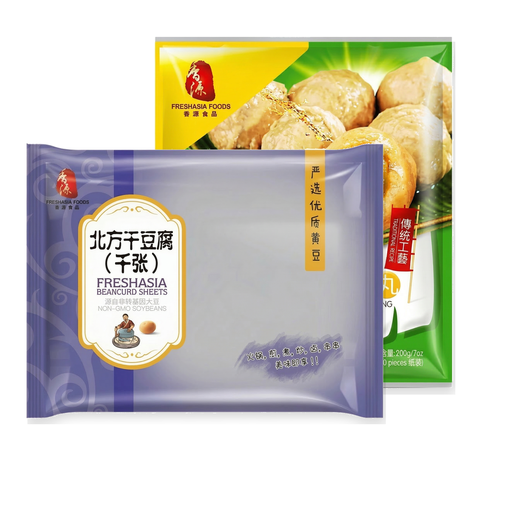
Why it fits this profile: A practical choice for home cooks who want to use tofu sheets in hotpot, stir-fries, salads or stuffed rolls.
The product information explicitly states that cooking is required and that it must be stored chilled at 0–4°C. This makes it unlikely to be mistaken for a cupboard snack.
Contains soya, water and salt according to the product data. The firm texture absorbs sauces and works well in a variety of Chinese dishes.
We’ve put together a full, up-to-date list of products that fully meet these strict selection criteria and comply with current European safety regulations.
Choose a product that states it is ready to eat. Dried tofu, tofu jerky, seasoned tofu and soya bars are generally intended for consumption after opening. Do check the allergens and salt content. A product for cooking, such as tofu sheets, should not be eaten as a snack without preparation.
Always follow the label. Shelf-stable Chinese snacks and fermented tofu usually need to be kept cool and dry; after opening, refrigeration may be required. Fresh tofu and chilled tofu sheets belong in the fridge. Pay attention to the best-before date and consume opened portions as directed on the pack.
In addition to tofu, you need a mapo tofu sauce or seasoning mix, and usually oil, water and optionally minced meat or a plant-based alternative. Haidilao and Hao Ren Jia give different preparation instructions. Check the amount of tofu needed, the cooking time and the presence of wheat, soya or other allergens in advance.
