What should you look for when choosing?
First check which allergen you need to avoid, then consider the form the food takes, and finally check whether the snack suits everyday use and any rules at your childcare setting.
| What to consider |
What should you check? |
Who is this for? |
| Avoiding the right allergen |
Check the specific ingredient, allergen information and warnings. The NVWA distinguishes between peanuts and nuts; a gluten-free or lactose-free claim doesn’t, on its own, tell you anything about those ingredients. |
If I need to avoid a particular allergen, I want to check whether it’s in the product or mentioned on the label. Around 36% of consumers put avoiding the right allergen first. |
| A suitable form |
Don’t serve whole nuts on their own as a snack to children under four. The Voedingscentrum suggests finely chopped nuts or a little 100% nut butter as possible processed forms. |
If nuts are suitable for the diet, I want to choose a processed form for my toddler rather than whole nuts on their own. Around 29% of consumers pay particular attention to the form the food takes. |
| An everyday snack |
Assess the snack alongside any dietary requirements. The Voedingscentrum suggests fruit, vegetables and wholemeal bread as snacks for toddlers, and includes 100% nut butter and peanut butter in the Schijf van Vijf. |
If I’m looking for a regular snack, I don’t want to rely on a free-from claim alone; I also want to consider what’s suitable for that eating occasion. Around 21% of consumers give everyday food choices the highest priority. |
| Rules at a childcare setting or school |
Ask the setting concerned which ingredients and warnings are covered by any rules it has. Don’t assume that nut-free automatically means peanut-free too. |
If the snack is going to childcare or school, I want to find out what rules apply there first. Around 14% of consumers put suitability for that setting first. |
Joybuy products
This selection includes peanut pastes, nut spreads and sesame paste. Check each product to make sure the listed ingredients and any warnings are suitable for the diet and comply with the rules at your childcare setting.
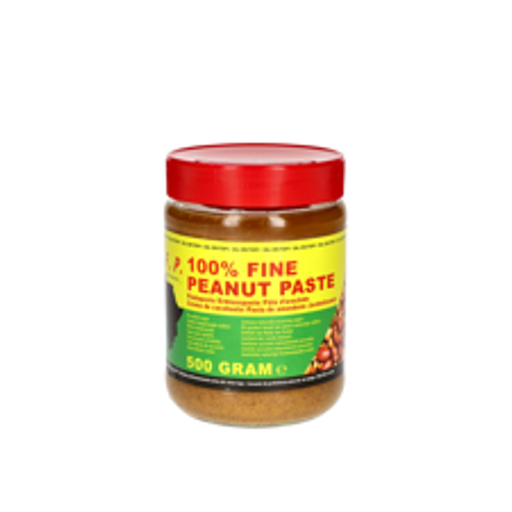 Image unavailable
A.F.P. Fine Peanut Paste 500 g
This smooth peanut paste is a processed form; choose it only if peanuts are suitable for the diet.
The product information lists 100% roasted peanuts, with no added sugar or salt.
Joybuy
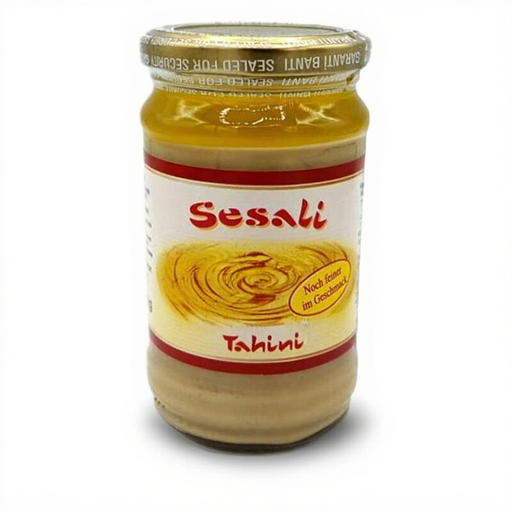 Image unavailable
SESALI Tahini Sesame Paste 300 g
This sesame paste is an alternative with no nuts as an ingredient, but only if sesame is suitable for the diet.
The product information lists 100% sesame seeds and identifies sesame as an allergen.
Joybuy
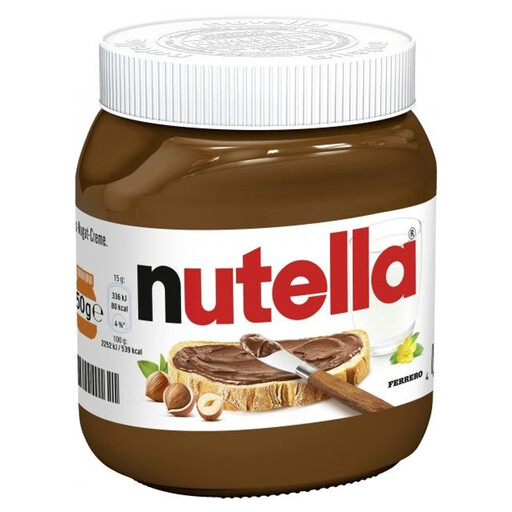 Image unavailable
Nutella Hazelnut & Almond Spread 450 g
This spread is suitable only if hazelnuts, almonds, milk and soya are all compatible with the diet.
The product information lists hazelnuts, almonds, milk and soya as ingredients or allergens.
Joybuy
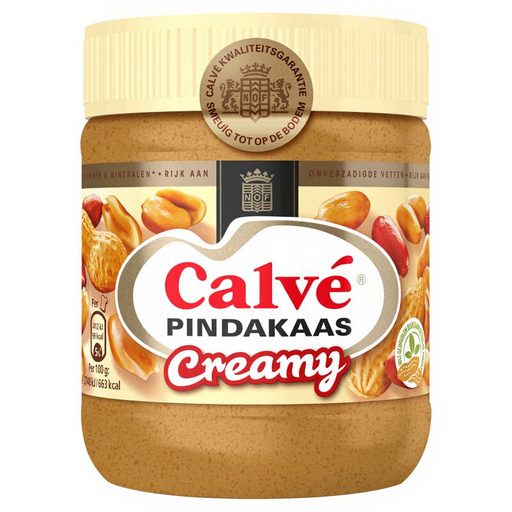 Image unavailable
Calve Peanut Butter Creamy 350 g
This peanut butter is suitable only if peanuts and the other listed ingredients are compatible with the diet.
The ingredients list states 74% peanuts, vegetable oils, dextrose and salt; peanuts and soya are listed as allergens.
Joybuy
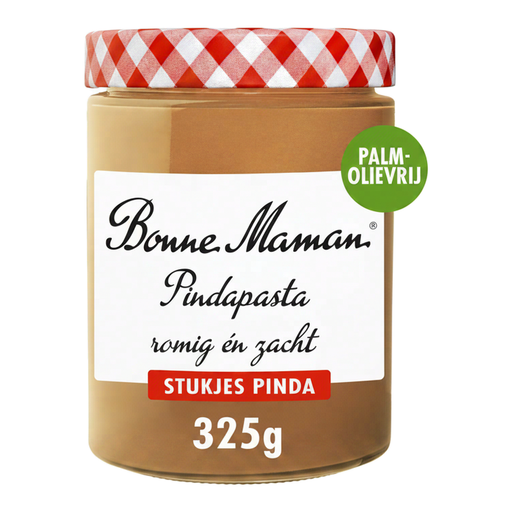 Image unavailable
Bonne Maman Peanut Butter With Peanut Pieces 325 g
The title says it contains peanut pieces, so this isn’t the smooth variety. Choose it only if peanuts and any listed possible traces are compatible with the diet.
The product information lists 79% peanuts and says that it may contain nuts.
Joybuy
Frequently asked questions
Is lactose-free peanut butter suitable for someone with a cow’s milk allergy?
Not on the basis of a lactose-free claim alone. Lactose intolerance and cow’s milk allergy are different conditions. If the diet requires avoiding milk protein, check the ingredients and allergen information. The Voedingscentrum explains the difference.
Which allergens should I check on packaging in the Netherlands?
Check the allergen information on the label of any prepacked product. The NVWA lists peanuts, nuts, milk and cereals containing gluten, among others, as separate categories.
Are the Dutch rules for cross-contamination warnings already in force?
Yes. The new Dutch rules on precautionary allergen warnings have been in force since 1 January 2026, according to the NVWA and the Regulier Overleg Warenwet. The absence of a warning doesn’t automatically mean that a product is suitable for everyone with an allergy.
Do I always need to buy a special free-from product for a toddler snack?
No. The Voedingscentrum suggests fruit, vegetables and wholemeal bread as possible snacks for toddlers. Choose something that suits the specific diet; wholemeal bread, for example, isn’t automatically gluten-free.
How should I use and store PLUS 100% pindakaas?
PLUS advises stirring the peanut butter before use and storing it in a cool, dry place. This storage advice doesn’t tell you whether it’s suitable for someone with an allergy; check the ingredients and allergen information for that.


