
Parents who check ingredients
For parents considering cereal as an alternative for a toddler and wanting to check the ingredients, wholegrains, sugar and salt against the advice of the Netherlands Nutrition Centre.


A large pack of cereal makes sense for a toddler only if the ingredients suit what you want to serve and your household will use it all. The Netherlands Nutrition Centre recommends wholegrain cereals with no added sugar or salt as an alternative to bread. Also check the allergens on the packaging, especially if the cereal is going to school or childcare.
For parents considering cereal as an alternative for a toddler and wanting to check the ingredients, wholegrains, sugar and salt against the advice of the Netherlands Nutrition Centre.
For families who regularly eat the same cereal and want to know whether a larger pack suits their usage and the best-before date.
For parents who need to look out for wheat, barley, gluten or other allergens, and want to check the school or childcare centre’s policy before packing it to take along.
Start with the ingredients and nutritional information. Then decide what pack size will work at home and which allergen checks you need to make.
| What to consider | What to check before buying | Who it matters most to |
|---|---|---|
| Ingredients | Check which grains are used and look for added sugar and salt in the ingredients list. Compare the nutritional information per 100 g. | If I serve cereal as an alternative to bread, I want to know what’s in the pack. For around 46% of consumers, the ingredients are the main priority. |
| Pack size and usage | Compare the amount in each pack with what your household eats, and check the best-before date. | A larger pack works for me if we eat the same cereal regularly and use it up in time. Usage is the biggest consideration for around 36% of consumers. |
| Allergens and taking it along | Check the listed allergens and any warnings about cross-contamination. Ask about the school or childcare centre’s policy before packing it. | If I’m packing cereal to take along, I need to know whether the ingredients and the rules at the location allow it. For around 18% of consumers, this is their main concern. |
A pack that your household won’t finish may be less suitable than a smaller one.
Check the quantity, storage instructions and best-before date before stocking up.
If there’s still cereal left after the best-before date, some of the pack may go unused.
The Netherlands Nutrition Centre recommends wholegrain cereals with no added sugar or salt as an alternative to bread. A claim about fibre, vitamins or iron alone doesn’t tell you whether a product meets that description.
Read the ingredients list alongside the nutritional information per 100 g, and check which grains, sugar and salt are used.
Cornflakes may contain barley or barley malt extract. For example, the product information for Kellogg's Corn Flakes at Albert Heijn lists barley malt extract.
Check the ingredients and allergen information on every pack. If you’re packing cereal to take along, ask the school or childcare centre about its policies.
According to the product information from Albert Heijn, Brinta Wholegrain Cereal Breakfast can be made with milk or water.
Kellogg's Corn Flakes, listed at Albert Heijn, are classic cornflakes made from maize.
Golden Bridge is ALDI’s own brand, which includes cornflakes. The cornflakes pack reviewed contains 500 g.
Jumbo sells cornflakes and other cereals under its own brand. The product information reviewed is for Jumbo Cornflakes 500 g.
These products show two ways to choose a grain-based breakfast: granola in a single pack or multipack, and Brinta for anyone who wants to make a cereal breakfast with milk or water. Granola isn’t the same product as cornflakes, so check each variant’s ingredients, allergens and quantity individually.
 No image available
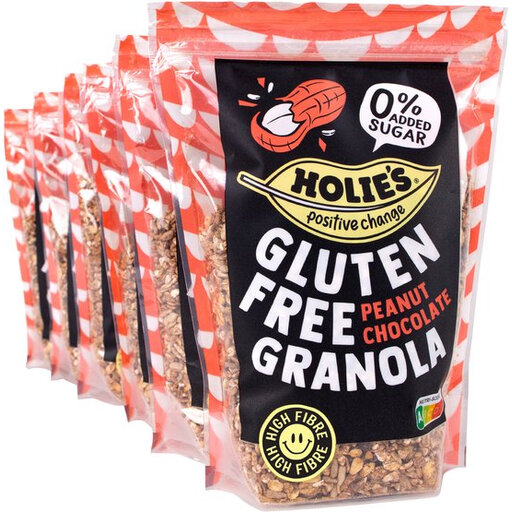
For households that eat this granola regularly and can use up all six packs. This multipack contains 6 × 330 g; check the ingredients, allergens and best-before date before stocking up. The Glutenfree name doesn’t replace checking the packaging.
 No image available
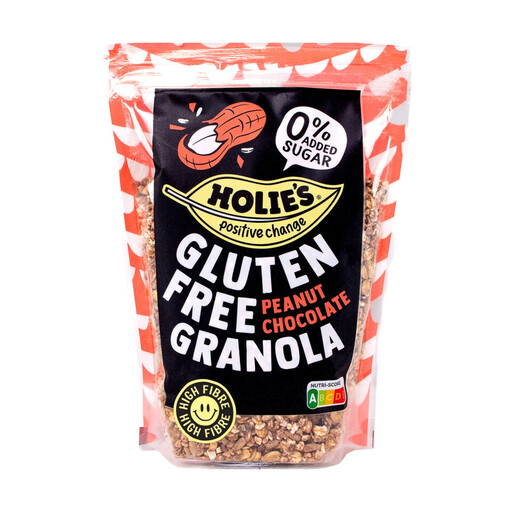
For anyone who would prefer to buy one pack of this granola rather than six at once. This pack contains 330 g. If you need to avoid allergens, read the ingredients and warnings on the packaging, even if the product name says Glutenfree.
 No image available
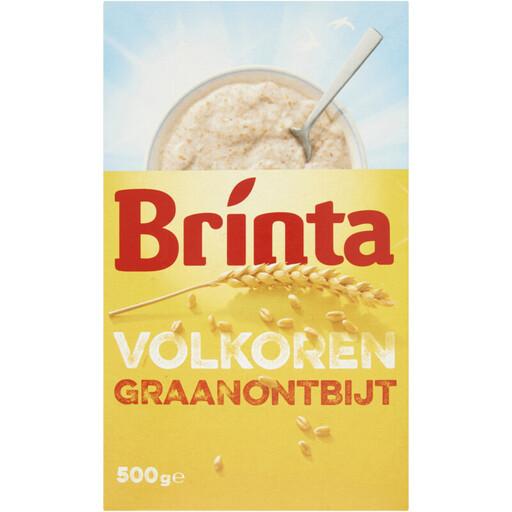
For anyone who wants a cooked cereal breakfast rather than crunchy cornflakes. According to the product information from Albert Heijn, Brinta can be made with milk or water. This 500 g variant contains wholemeal wheat flour and added salt. The nutritional information lists 10 g of fibre and 0,52 g of salt per 100 g. Check the packaging as it contains wheat and gluten.
The Netherlands Nutrition Centre recommends porridge oats, muesli and other wholegrain cereals with no added sugar or salt as an alternative to bread. It also advises that a child eats another two slices of bread at a different time of day. Check the ingredients of each product.
A large pack makes most sense when your household uses the product regularly and finishes it within the stated best-before period. Check the ingredients and allergens first; the pack size doesn’t tell you anything about those.
No. Don’t assume cornflakes are gluten-free just because they’re made from maize. For example, the product information for Kellogg's Corn Flakes at Albert Heijn lists barley malt extract. Check the ingredients and allergen information on every pack.
Ask the school or childcare centre about its policies before packing cereal. Also check the packaging for any allergens and warnings about cross-contamination.
Follow the storage instructions and best-before date on the packaging. Choose an amount that suits what your household uses, so an opened pack isn’t left sitting around for too long.