
Families with a toddler who eats with them
If everyone eats the same breakfast product, pay particular attention to the pieces and allergens. The Netherlands Nutrition Centre warns that young children can choke on whole nuts and peanuts.


Only choose a large pack if the ingredients, allergens and pieces are suitable for everyone in the family who will be eating it. For children aged 1 to 3, the Netherlands Nutrition Centre lists wholegrain breakfast cereals with no added sugar or salt as one option to vary their breakfast. With crunchy granola, also consider whether your child can chew the pieces easily. A family-size pack is only practical if you can use it all and store it properly once opened.
If everyone eats the same breakfast product, pay particular attention to the pieces and allergens. The Netherlands Nutrition Centre warns that young children can choke on whole nuts and peanuts.
Compare the ingredients list and nutritional information rather than relying on the wording on the front of the pack. The Netherlands Nutrition Centre lists wholegrain breakfast cereals with no added sugar or salt as an option to vary the diet of children aged 1 to 3.
A larger bag makes most sense when several family members eat the same variety and you can keep it dry and properly sealed after opening.
First, check the ingredients and texture to make sure they’re suitable for your toddler. Then compare the nutritional content and choose a pack size that suits how much your family will eat.
| What to consider | What to check | Who is this most relevant to? |
|---|---|---|
| Pieces and allergens | Check the ingredients and allergen information, and consider whether your toddler can chew the pieces easily. | If my toddler still struggles with hard pieces, I want to know exactly what’s in the granola before we share it. Around 42% of consumers prioritise texture and allergens. |
| Ingredients and nutritional content | Compare the grain base and added ingredients with the nutritional information per 100 g. | For a regular breakfast, I don’t want to rely on a description such as ‘crunchy’; I also want to be able to compare the ingredients. Around 33% of consumers prioritise the ingredients and nutritional content. |
| Pack size | Check the net weight and storage instructions, and see whether everyone at home eats the same variety. | A large bag only makes sense for me if we can share it before it’s been open for too long. Pack size is the first consideration for around 25% of consumers. |
A 500 g or 800 g pack tells you nothing about the ingredients, allergens or size of the pieces. A larger bag may also go unused if not everyone at home can or wants to eat the same granola.
Compare the variety itself first, then choose a pack size that suits your family. Follow the storage instructions and seal the pack properly after use.
A claim about wholegrain cereals or fibre doesn’t tell you what other ingredients have been added. The nutritional information is also worth checking when comparing products.
Read both the ingredients list and the nutritional information per 100 g. For children aged 1 to 3, the Netherlands Nutrition Centre lists wholegrain breakfast cereals with no added sugar or salt as an option to vary their diet.
Ingredients and allergens vary between varieties. The Netherlands Food and Consumer Product Safety Authority says that allergens specified by law must be listed on the labels of pre-packed foods.
Check the label on the pack you’re buying. If you’re sending granola in with your child, also check the policy at their childcare setting or school.
The size and hardness of the pieces can make a difference for a toddler. The Netherlands Nutrition Centre specifically warns about the risk of choking on whole nuts and peanuts.
Consider the pieces in relation to your own child and stay with them while they’re eating. If the texture isn’t suitable, choose a softer breakfast cereal instead.
Albert Heijn lists an 800 g pack of Quaker Cruesli 4 nuts, which you can use to compare this specific crunchy muesli variety.
Zonnatura offers several granola varieties, including Classic Crunchy and a variety with nuts and seeds.
Jumbo lists 500 g granola with nuts, kernels and seeds, as well as a 350 g nut variety.
Albert Heijn lists several own-brand options, including granola with oat flakes and a variety with nuts and kernels, both in 500 g packs.
ALDI lists 500 g packs of Golden Bridge granola in varieties with nuts and seeds or red fruit.
Lidl lists granola in Super Berry and Super Nutty varieties, available in store only.
This selection includes multipacks of granola and crunchy muesli for families who eat breakfast together, as well as individual 400 g packs. A larger total pack size or a product name featuring ‘Zero Sugar Added’ doesn’t, by itself, tell you whether the pieces or allergens are suitable for your toddler.
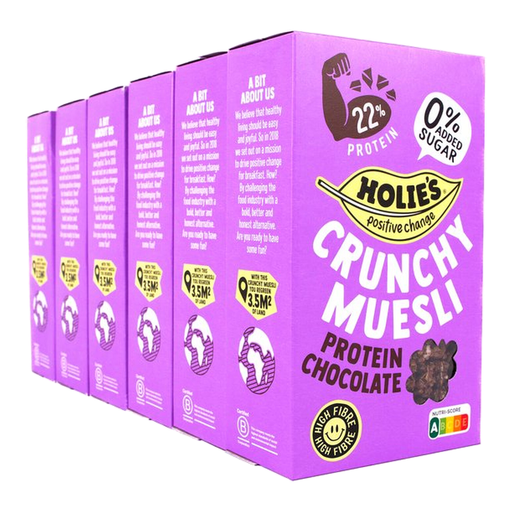 Image unavailable
A multipack for a household that enjoys crunchy muesli together. It contains six 400 g bags; check the pieces and allergen information on the label to see if it’s suitable for your toddler.
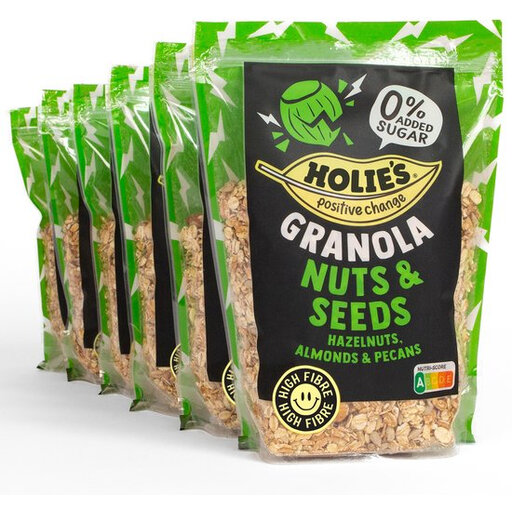 Image unavailable
For sharing if nuts and seeds are suitable for everyone eating it. The pack contains six 350 g bags; check the label for allergens and consider the pieces before serving the granola to a toddler.
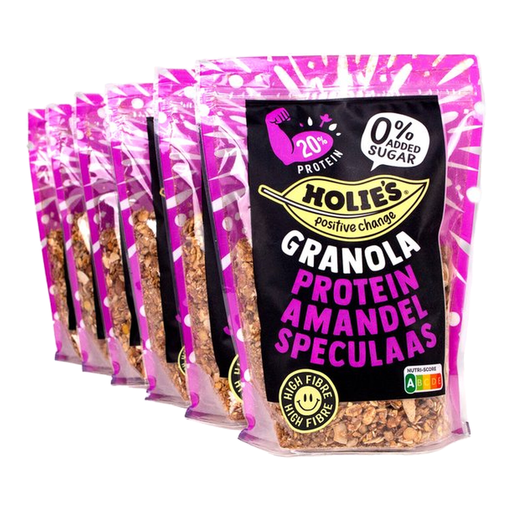 Image unavailable
A multipack to consider if your family wants to eat the same variety. The six 350 g bags need to be used by the whole family; check the allergens and granola texture to see if they’re suitable for your toddler.
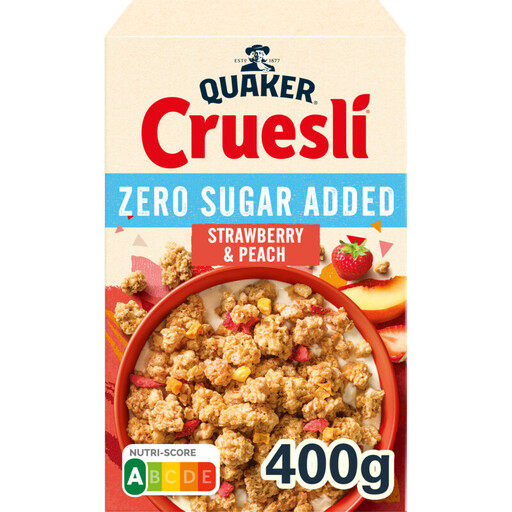 Image unavailable
An individual 400 g pack for anyone who doesn’t want a multipack. As well as reading the product name, check the ingredients and nutritional information, and consider the crunchy pieces and allergens to see if they’re suitable for your toddler.
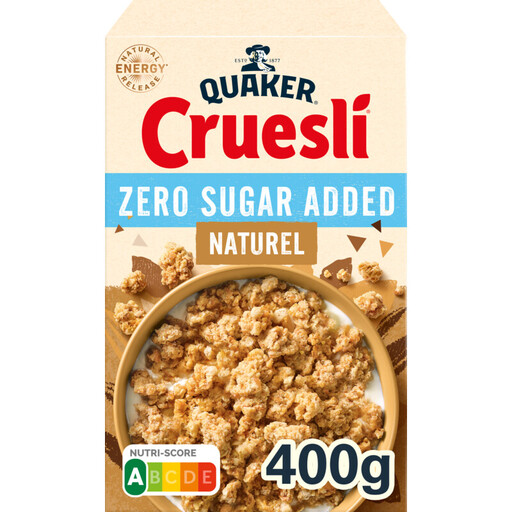 Image unavailable
An individual 400 g bag if you’re looking for a smaller quantity than a multipack. Check the full allergen information on the pack and consider whether the crunchy texture is suitable for your toddler.
Don’t assume it can. For children aged 1 to 3, the Netherlands Nutrition Centre lists porridge oats, muesli and other wholegrain breakfast cereals with no added sugar or salt as options to vary their breakfast. Check the ingredients of the granola you’re planning to serve.
Check the ingredients list and allergen information on the pack. The Netherlands Food and Consumer Product Safety Authority says that allergens specified by law must be listed on the label. If you have an allergy, always check the label on the pack you’re actually using.
That depends in part on the size of the pieces and whether there are any allergies. The Netherlands Nutrition Centre warns about the risk of choking on whole nuts and peanuts, so consider the texture for your child and stay with them while they’re eating. Choose a softer option if the pieces aren’t suitable.
Follow the storage instructions on the pack and seal it properly after use. A larger bag is most practical when your family can use it all while it’s still in good condition.