According to the Netherlands Nutrition Centre, a toddler has no need to eat gluten-free unless there is a medical reason to avoid gluten. If not, choose bread based on its ingredients and what suits your child. If your child has coeliac disease, ordinary wholemeal bread containing gluten is not an alternative: choose bread clearly labelled gluten-free, and check the ingredients and allergens too. Dark or multigrain bread is not automatically wholemeal or gluten-free.
Who is this choice relevant to?
Parents of a toddler with coeliac disease
For them, choosing a clearly labelled gluten-free option comes first. It’s also important to check the allergens on the label and avoid contact with crumbs from ordinary bread when storing and preparing food.
Parents putting together a suitable breakfast for their toddler
They consider the bread’s ingredients, the toppings and what their child eats. According to the Netherlands Nutrition Centre, there is no need to eat gluten-free without a medical reason.
Families buying bread for several breakfasts
When serving small portions, pack size and storage instructions after opening also matter. Always compare the ingredients and allergens of the specific variety you choose.
What should you look for when choosing?
Ordinary wholemeal bread
When: According to the Netherlands Nutrition Centre, a toddler with no medical reason to avoid gluten does not need gluten-free bread.
Limitation: Ordinary bread containing gluten is not suitable for a gluten-free diet for coeliac disease; the word ‘wholemeal’ doesn’t change that.
Bread labelled gluten-free
When: If your child has coeliac disease, their bread must be suitable for a gluten-free diet, as described by the Netherlands Nutrition Centre.
Consideration: The ‘gluten-free’ label alone tells you nothing about fibre, salt or other allergens. Check each variety individually.
When choosing bread for your toddler’s breakfast, it helps to start with the main consideration. If your child has coeliac disease, choosing a gluten-free option is essential, even when other qualities are also important.
| What to consider | What to check when buying | Who is this most important for? |
|---|
| Gluten and allergens |
Check the gluten-free label, ingredients and allergens on the packaging. If your child has coeliac disease, also avoid contact with ordinary bread during preparation. |
If my toddler has coeliac disease, the bread must be suitable for a gluten-free diet, and I want to be able to check for other relevant allergens. This medical requirement is the top priority for around 42% of consumers. |
| Ingredients and suitability |
Compare the nutritional information per 100 g, including fibre and salt, and check whether iodised salt or baker’s salt is listed in the ingredients. Also consider whether the bread is suitable for your child. |
When bread is served regularly, I want to know what the variety I’ve chosen provides and whether my toddler can eat it comfortably. Around 33% of consumers give this consideration the most attention. |
| Packaging and storage |
Check the pack size and the storage and freezing instructions for the specific variety. |
When breakfast portions are small, I want to be able to store the bread without leaving an opened pack unused. Around 25% of consumers prioritise this practical consideration. |
Common mistakes
-
Assuming ‘wholemeal’ or ‘dark’ means gluten-free
Ordinary bread made with grains that contain gluten is not suitable for a gluten-free diet for coeliac disease. Its colour or a label such as ‘multigrain’ doesn’t change that.
When choosing a gluten-free option, check the label on the packaging and read the ingredients and allergens too.
-
Looking only at the gluten-free label
If you regularly choose a different type of bread, consider its ingredients as well as the rest of your diet. The Netherlands Nutrition Centre notes that bakers are not required to use baker’s salt, so don’t assume that all bread contains iodine.
Compare the nutritional information, check the ingredients for iodised salt or baker’s salt, and if necessary discuss a medically required gluten-free diet with a specialist dietitian.
-
Choosing a pack without reading the storage instructions
Your toddler may eat only part of a pack of bread before you need to store the rest.
Before buying, check the instructions for storing the product after opening and for freezing the specific variety.
A pack that isn’t used in time or stored as instructed can lead to food waste.
Brands to consider
Albert Heijn Glutenvrij
Albert Heijn lists various types of bread in its gluten-free range, including multiseed bread.
- There are different types of bread to compare by ingredients and nutritional information.
- Check the packaging of the specific variety; the online range doesn’t tell you which products are available in store.
Schär
Schär has gluten-free bread varieties in Dutch supermarkets, including Meesterbakker Vital.
- The product information for Meesterbakker Vital gives you details to consider when checking the ingredients and storage advice.
- Albert Heijn lists soy, lupin and mustard as possible allergens in Meesterbakker Vital; don’t assume the same applies to other Schär products.
Consenza
Consenza’s gluten-free range includes fresh bread and bread that you bake at home.
- Consenza says that its range also includes bread from a gluten-free bakery.
- Check the ingredients, allergens, nutritional information and storage instructions for each variety individually.
Gluten-free bread options at Joybuy
These options are a pack of mini baguettes and a bread mix for making your own loaf. If your toddler needs to eat gluten-free, the label, ingredients and allergens on the packaging are what matter; the mix isn’t ready-made bread.
 Image unavailable
Gv Baguette Mini, 7 pieces
If you’d like to serve small rolls at breakfast, check exactly what’s in the pack and how they need to be prepared before buying. If choosing a gluten-free option, also check the label and allergens on the packaging.
View at Joybuy
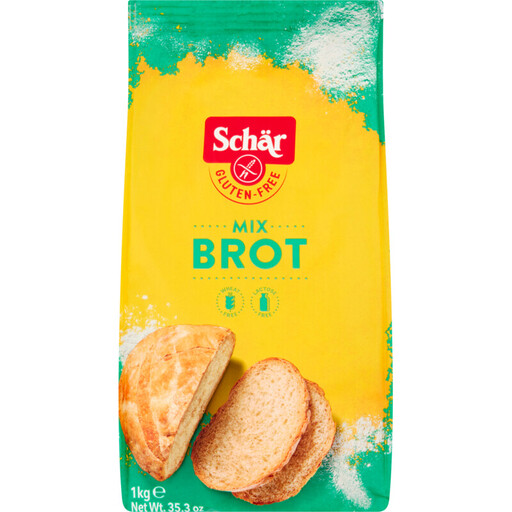 Image unavailable
Schär Bread Mix-Mix B Gluten Free, 1 kg
For anyone who’d rather make their own bread than buy it ready-made. The pack contains 1 kg of mix; check the preparation instructions and allergens, and whether the nutritional information applies to the mix or the prepared bread.
View at Joybuy
Frequently asked questions
Does a toddler need gluten-free bread if there’s no medical reason?
No. According to the Netherlands Nutrition Centre, there’s no need to eat gluten-free if you don’t have coeliac disease, a wheat allergy or a diagnosed gluten sensitivity. For breakfast, choose bread based on its ingredients and what suits your child, rather than relying on the gluten-free label alone.
How much bread is generally suitable for a child aged 1 to 3?
The Netherlands Nutrition Centre suggests around 2 to 3 slices of bread a day, usually split between breakfast and lunch. Your child doesn’t need to eat all of that at breakfast; also consider what else they eat throughout the day.
How can you prevent gluten-free and ordinary bread from coming into contact?
Store and prepare gluten-free bread for a child with coeliac disease so it doesn’t come into contact with ordinary bread or its crumbs. Whenever you open a new pack, check the gluten-free label and allergens again.
Does gluten-free bread always contain iodine?
No, don’t assume that all bread contains iodine. According to the Netherlands Nutrition Centre, bakers are not required to use baker’s salt. So check whether iodised salt or baker’s salt is listed in the ingredients of the variety you’ve chosen, especially if it’s eaten regularly.


